
Connect with us

lifestyle

Mark Fluent: Biography, Career, Net Worth, Family, and Life Beyond the Spotlight

Published

on

mark fluent

Continue Reading

lifestyle

Jan Ashley: The Untold Story of Robert Kardashian’s Mysterious Second Wife

Published

on

Jan Ashley: The Untold Story of Robert Kardashian's Mysterious Second Wife

In the vast and ever-expanding universe of the Kardashian family, a name often surfaces that sparks intense curiosity yet remains shrouded in mystery: Jan Ashley. While the world is intimately familiar with Kris Jenner, the matriarch who built an empire, and her famous children, fewer know about the woman who briefly stepped into the life of Robert Kardashian Sr. after his divorce. Jan Ashley’s story is a captivating, yet poignant tale of a quiet woman who found herself thrust into the orbit of one of America’s most famous families, only to retreat just as quickly .

Jan Ashley was never a woman who sought the spotlight. Her life was one of private grace and personal resilience, marked by a long, loving marriage to a Hollywood actor and producer before her whirlwind, and ultimately disastrous, romance with the famed attorney. Her marriage to Robert Kardashian lasted a mere 30 days, yet its impact and the controversy that followed have cemented her place in the annals of pop culture history . This article delves deep into the untold story of Jan Ashley, exploring her early life as a beauty queen, her decades-long love story with John Ashley, the reasons behind her fleeting union with Robert Kardashian, and the startling claims she made that continue to fuel speculation about the Kardashian family lineage.

From Texas Beauty Queen to Hollywood Wife

Before her name became inextricably linked with the Kardashian dynasty, Jan Ashley lived a life that was quintessentially American. Born Janice Lynn Glass on August 3, 1948, in Amarillo, Texas, she was raised in a world far removed from the glitz and glamour of Hollywood . Her upbringing, rooted in the values of a close-knit community, instilled in her a sense of humility and a preference for a private life. Even from a young age, Jan possessed a quiet charm and a natural poise that set her apart. This grace would soon lead her to a moment of local fame when she entered and won the title of Miss Tulsa in 1966 . At just 18 years old, this achievement brought her recognition and opened doors, but unlike many beauty queens who chase a career in the limelight, Jan remained grounded and chose to live a simple life, never letting her crown define her ambitions.

Jan’s life took a transformative turn in 1978 when she met and married John Ashley, a prominent actor, singer, and film producer. John was a well-known figure in the entertainment industry, having appeared in films such as Apocalypse Now and produced iconic television shows like The A-Team . Their meeting in Tulsa sparked a deep and genuine connection that would blossom into a nearly 20-year marriage built on mutual respect and affection. Jan and John made their home in California, where she supported him behind the scenes, providing a steady foundation for his busy career. Friends often described her as his “steady foundation,” a woman who valued quiet moments at home over the chaos of red carpets . Their life together was one of companionship and shared goals, a love story that Jan would later describe as the most meaningful chapter of her life. However, this happiness was tragically cut short in 1997 when John Ashley suffered a fatal heart attack while in New York City . Devastated by the loss of her husband and best friend, Jan retreated from the world to grieve, finding herself suddenly alone after nearly two decades of marriage.

The Brief Union with Robert Kardashian Sr.

A year after the death of her husband, Jan’s life took an unexpected turn that would forever change her public identity. In 1998, while navigating the mundane yet necessary process of selling her home, she met Robert Kardashian Sr. . By this time, Robert was already a household name, having achieved international fame as a close friend and attorney for O.J. Simpson during his highly publicized murder trial. He was charming, intelligent, and carried the weight of a public life that Jan had never experienced. Their connection was almost instantaneous; Robert, intrigued by a picture of Jan, sought an introduction through mutual friends . For Robert, who had been divorced from Kris Jenner since 1991, Jan represented a chance for peace and a fresh start. For Jan, still healing from the profound loss of John, Robert’s kind nature offered a glimmer of hope and companionship.

Their relationship moved with surprising speed. Within months of meeting, Robert proposed during a trip to Hawaii, and Jan, ready to open her heart again, accepted. On November 25, 1998, they were married in a private ceremony in Vail, Colorado, with Robert’s four children—Kourtney, Kim, Khloé, and Rob Jr.—in attendance . The honeymoon was a ski trip, seemingly perfect, but the joy was short-lived. On December 25, 1998, a month to the day after their wedding, their union was annulled . The marriage, which had been the subject of headlines due to Robert’s celebrity, had imploded, leaving the public to speculate on the cause of its sudden demise.

It was only years later that Jan Ashley would break her silence on the reasons for the annulment, and her account painted a picture of a man overwhelmed by his past. In a 2014 interview, she candidly blamed the strain on Robert’s relationship with his ex-wife Kris Jenner and his children . She revealed that Robert was “upset all the time” and that he couldn’t handle the constant pressure and demands from his family. According to Jan, the emotional atmosphere surrounding the Kardashian household, combined with the media scrutiny, made it impossible for their new marriage to survive. She noted, “He was a kind man, but he was always upset—not at me, but at his situation” . Robert, a devoted father, struggled to balance his loyalty to his children and his new relationship, creating a conflict that ultimately proved insurmountable.

The Paternity Controversy

Long after the brief marriage was annulled, Jan Ashley re-emerged in the public eye with a revelation that ignited a firestorm of controversy and redefined her role in the Kardashian narrative. In a 2012 interview with Star Magazine, Jan made the explosive claim that during their relationship, Robert Kardashian Sr. had confessed to her that he doubted Khloé Kardashian’s paternity . She asserted that he directly told her, “Well, you know that Khloé’s not really a Kardashian, don’t you?” . This statement immediately reignited long-standing rumors that Khloé might not be Robert’s biological daughter, a topic that has been a persistent source of speculation for decades.

The Kardashian family reacted with swift and vehement denial. The family insisted that Robert was indeed Khloé’s biological father, dismissing Jan’s claims as baseless and hurtful . The controversy created a media frenzy, thrusting Jan back into the spotlight she had so carefully avoided. Despite the intense backlash, she stood by her statement, maintaining that she was simply recounting what Robert had confided in her during their brief time together . This incident added a dark and mysterious chapter to the Kardashian legacy, contributing to the endless public fascination with the family’s inner workings.

Life After Robert Kardashian and Her Legacy

Following the annulment and the subsequent controversy, Jan Ashley made a definitive choice to retreat from public life. Unlike many who are briefly attached to the Kardashian orbit and seek to leverage it for fame, Jan did the opposite. She vanished from the public eye, choosing privacy and peace over the tempting allure of fame. In an era defined by reality television and social media, her decision to live a quiet life stands as a remarkable testament to her character . She was not a person who wanted to be a celebrity; she was simply a woman who found herself temporarily connected to a world of chaos and chose to walk away.

Jan Ashley passed away on October 1, 2015, at the age of 67 in Tulsa, Oklahoma, living out her final years in the quiet obscurity she had so deliberately cultivated . She was laid to rest at Forest Lawn Memorial Park in Los Angeles, next to her first husband, John Ashley—a final testament to the enduring love that she always considered the most meaningful relationship of her life . She had no children of her own, but her legacy is one of quiet resilience. Jan Ashley‘s story serves as a powerful reminder that not everyone connected to fame desires its trappings. Her brief, mysterious marriage to Robert Kardashian and her controversial claims have made her an enduring subject of curiosity, a small but significant piece of the ever-expanding puzzle that is the Kardashian family history . She was a figure who, by simply telling her truth and then choosing silence, left an indelible mark on the narrative of one of the world’s most famous families.

Conclusion

Jan Ashley‘s life is a compelling counter-narrative to the world of celebrity and fame. It is a story of a woman who experienced profound love and devastating loss, who was briefly swept into the orbit of a media empire, and who had the strength and self-awareness to walk away. While her 30-day marriage to Robert Kardashian Sr. was a fleeting moment in time, her story offers a rare, unvarnished glimpse into the pressures that come with fame and family, and the quiet dignity of choosing a private life over public scrutiny . Her legacy reminds us that behind every tabloid headline is a human being with their own complexities, a lesson that is often lost in today’s celebrity-obsessed culture.

Frequently Asked Questions (FAQs)

Who exactly is Jan Ashley?

Jan Ashley, born Janice Lynn Glass, is best known as the second wife of Robert Kardashian Sr., the father of Kourtney, Kim, Khloé, and Rob Kardashian. Before her brief union with Robert, she was a beauty queen who won Miss Tulsa in 1966 and was married for nearly 20 years to actor and producer John Ashley .

How long were Jan Ashley and Robert Kardashian married?

The marriage between Jan Ashley and Robert Kardashian lasted only 30 days. They were married on November 25, 1998, and their marriage was annulled on December 25, 1998 .

Why did Jan Ashley and Robert Kardashian get an annulment?

According to Jan Ashley, the marriage dissolved due to immense emotional stress, largely stemming from Robert’s tumultuous relationship with his ex-wife Kris Jenner and the challenges of integrating his new wife into his already established family dynamics. She stated he was “upset all the time” and couldn’t handle the pressure from his family .

What were the controversial claims Jan Ashley made about Khloé Kardashian?

In a 2012 interview, Jan Ashley claimed that Robert Kardashian Sr. had personally confided in her that he doubted he was Khloé Kardashian’s biological father. The Kardashian family strongly denied these claims, but Jan stood by her statement, asserting she was sharing something Robert had told her .

Is Jan Ashley still alive?

No, Jan Ashley passed away on October 1, 2015, at the age of 67 in Tulsa, Oklahoma .

Continue Reading

lifestyle

Brandy Quaid: The Untold Story of the Private Life Behind the Famous Hollywood Surname

Published

on

Brandy Quaid: The Untold Story of the Private Life Behind the Famous Hollywood Surname

Introduction

The name Quaid has long been synonymous with Hollywood success, talent, and the occasional headline-grabbing controversy. From the acclaimed performances of Dennis Quaid in films like The Parent Trap and The Right Stuff to the award-winning character work of his brother Randy Quaid in The Last Detail and the National Lampoon’s Vacation series, the Quaid family has left an indelible mark on the entertainment industry. Yet, behind these famous brothers exists a more enigmatic figure—their sister, Brandy Quaid.

In an era where proximity to fame is often aggressively leveraged for personal gain, Brandy Quaid represents something increasingly rare: a deliberate choice to step away from the spotlight and live life on her own terms. Her story, shrouded in mystery and marked by intentional privacy, offers a compelling counter-narrative to the celebrity-obsessed culture that defines modern entertainment. This article explores the untold story of Brandy Quaid—her early life, her relationship with her famous family, and the significant choice she made to remain outside the glare of Hollywood’s relentless attention. Through examining her narrative, we uncover not just the details of a private life but a broader reflection on fame, personal autonomy, and the true meaning of legacy. 

The Quaid Family Legacy

To understand Brandy Quaid, one must first appreciate the weight carried by her family name. The Quaid family emerged from humble beginnings in Texas, where William Rudy “Buddy” Quaid worked as an electrician while occasionally pursuing acting, and his wife Juanita Bonniedale “Nita” Quaid built a successful career as a real estate agent.  This was a household grounded in traditional values and a strong work ethic, a foundation that would shape all of the Quaid children in different ways. 

From this environment emerged two of Hollywood’s most recognizable talents. Randy Quaid, the elder brother, earned an Academy Award nomination for his powerful performance in The Last Detail and went on to become a beloved character actor, immortalized in the National Lampoon’s Vacation films.  His career, however, became increasingly overshadowed by legal troubles and public controversies in later years.  Dennis Quaid, the younger brother, built a similarly impressive career as a charismatic leading man, starring in critically acclaimed films across multiple decades. 

Yet amidst this public acclaim, the Quaid family also includes lesser-known figures who chose different paths. Buddy Quaid, another sibling, dabbled in acting—including a notable appearance on Seinfeld—before transitioning to a successful career in luxury real estate, finding a balance between the entertainment world and a more conventional profession.  And then there is Brandy, whose story perhaps most starkly illustrates the divergence between public fame and private fulfillment within the same family tree. 

Who Is Brandy Quaid Unraveling the Confusion

One of the most immediate challenges in writing about Brandy Quaid is the significant confusion surrounding her identity. This confusion stems from a combination of limited public information and the existence of multiple individuals with the same name connected to the Quaid family.

The most consistently referenced Brandy Quaid in credible sources is the sister of actors Randy and Dennis Quaid. She was born in Texas into the Quaid family and is the daughter of William Rudy Quaid and his first wife, Tana Pauline Quaid.  This Brandy Quaid is the one who has deliberately chosen a life away from public scrutiny, and it is this individual who is the primary subject of our exploration. 

However, a separate figure also appears in public records: a Brandy L. Quaid born on November 14, 1972, in Orange County, California.  This individual is not the sister of the famous Quaid brothers, but rather another person with the same surname living in California. The existence of this birth record has contributed to online confusion, with some sources conflating these two distinct individuals.

Adding another layer of complication, there are sporadic references to a Brandy Quaid who is an actress or creative professional, sometimes described as Randy Quaid’s daughter rather than his sister.  These sources often portray her as a rising star or someone pursuing a creative career in Hollywood. However, the most authoritative and consistent information points to the Texas-born Brandy Quaid as the sister who chose a life of privacy. As one source puts it, “Brandy Quaid’s most defining characteristic is her deliberate choice to remain out of the public sphere.”  This commitment to privacy is what truly distinguishes her story from the celebrity narratives of her famous brothers. 

Early Life and Family Roots

Brandy Quaid was born into a household that valued hard work and independence. Growing up in Texas, she was raised alongside her brothers in a family that, while not wealthy, provided a stable and nurturing environment.  Her father, Buddy, was a man of diverse talents—an electrician by trade with aspirations in acting, while her stepmother, Nita, found success in real estate.  This combination of blue-collar work ethic and creative ambition created a unique atmosphere in the Quaid household.

The Quaid children were instilled with a strong sense of independence and perseverance.  Dennis and Randy would channel these values into their acting careers, but Brandy appears to have applied them differently, choosing a path that prioritized personal well-being over public recognition. 

As her brothers began to find success in Hollywood, Brandy remained in Texas, maintaining connections to her roots. This geographical and emotional distance from the entertainment industry would become a defining characteristic of her life.  While her brothers were navigating the complexities of fame, awards, and later controversies, Brandy was building a life grounded in privacy and personal fulfillment, far removed from the pressures of celebrity.

A Life Deliberately Lived Outside the Spotlight

Perhaps the most remarkable aspect of Brandy Quaid‘s story is the conscious decision she made to remain outside the public sphere. Unlike many relatives of famous actors who capitalize on their connections to build personal brands or launch careers, Brandy has no known acting credits and has never pursued a career in the entertainment industry.  In an age where social media presence is often considered essential, she has no verified public accounts and has never given public interviews. 

This is not an accidental obscurity but a deliberate choice. “In high-profile families, it is difficult to remain invisible without deliberate effort,” notes one analysis.  Brandy Quaid has successfully maintained her privacy by avoiding interviews, limiting her digital footprint, and refraining from public commentary on her family’s affairs.  Her ability to stay separate from the controversies that have sometimes engulfed her brothers, particularly Randy’s well-documented legal and personal struggles, speaks to strong personal boundaries and an unwavering commitment to a peaceful existence. 

As one source observes, “In an era dominated by social media and celebrity exposure, choosing privacy can be an intentional and powerful decision.”  Brandy Quaid‘s life stands as a testament to the idea that a fulfilling life does not require public validation and that personal well-being can thrive away from the constant scrutiny of the media. 

Navigating Family Fame and Controversy from a Distance

The Quaid family has been no stranger to public struggles, particularly the legal and personal issues that surrounded Randy Quaid in the 2000s and 2010s. From arrests and highly publicized court appearances to claims of being targeted by a Hollywood “star whacker” conspiracy, Randy’s later years have been marked by turbulence that frequently placed the Quaid name in newspaper headlines. 

Throughout these challenges, Brandy Quaid has remained notably absent from the narratives. She neither sought visibility during these periods of family turmoil nor became publicly entangled in the widely reported disputes.  This absence is itself significant. “In high-profile families facing controversy, relatives are often pulled into public speculation,” observes one analysis. “Remaining outside that sphere indicates either geographical, professional, or personal distance from public drama—or a conscious effort to maintain composure and discretion.” 

Her ability to maintain this distance reflects the strength of her personal boundaries. By carving out a life separate from the Hollywood machine that consumed her brothers, Brandy Quaid has successfully navigated the complexities of being part of a famous family without being drawn into its turmoil. 

The Significance of a Lesser-Known Sibling

It is tempting to measure significance only through public accomplishments, but the role of lesser-known siblings in high-profile families is often profound. While there is limited verified information about Brandy Quaid‘s personal life, her very existence within the Quaid family narrative offers important insights.

Siblings of famous individuals often provide emotional stability during periods of stress, grounded perspective when fame distorts reality, and continuity with childhood roots.  While there is no verified public account detailing Brandy Quaid‘s specific role behind the scenes, such figures frequently act as quiet anchors in high-achievement families, maintaining stronger ties to hometown connections, extended relatives, and community networks. 

In biographical research, absence of documentation can sometimes indicate normalcy rather than mystery. “Not every family member of a celebrity becomes a public figure—and not every life story is meant for public consumption.”  Brandy Quaid‘s story exemplifies this truth, reminding us that family influence is not always visible and that personal fulfillment can be measured in ways that have nothing to do with fame.

The Broader Theme: Fame Versus Privacy

The Quaid siblings illustrate a broader cultural theme: the divergence between public fame and private fulfillment. Within one family, paths have differed dramatically. Dennis Quaid has enjoyed a decades-long acting career and mainstream media coverage. Randy Quaid achieved acclaim as a character actor before becoming associated with legal and personal controversies. And Brandy Quaid has remained a private individual with minimal public presence. 

This contrast invites reflection on what constitutes success. Fame often appears glamorous, but it carries scrutiny and vulnerability. Choosing privacy may represent a different kind of success—one measured not in awards or headlines but in stability and personal autonomy. 

Brandy Quaid‘s story also offers a subtle but powerful lesson for those navigating public life. Her low-profile existence demonstrates that relevance does not always require visibility. In a digital age where personal branding is often aggressive and constant, her approach feels almost countercultural. Yet it has allowed her to avoid the feedback loops of controversy that often trap public figures in cycles of reaction and explanation. 

The Quiet Legacy of Brandy Quaid

Brandy Quaid‘s legacy is not one of box office hits or red-carpet appearances, but something more subtle and profound. She represents the quiet strength of an individual who defines success on her own terms. Her life serves as a powerful reminder that fame is a choice, not an obligation, and that there is immense value in a life lived authentically and privately. 

In the grand narrative of the Quaid family, Brandy’s story may be the most inspiring chapter on the importance of personal freedom and inner peace. While her brothers achieved fame and faced its consequences, she found something different—a life of autonomy, dignity, and peace away from the public eye. 

There is dignity in that choice. In a culture where exposure is often mistaken for importance, Brandy Quaid represents the alternative: living outside the frame while still belonging to a recognizable legacy.  Her story reminds us that every family member, famous or not, has their unique narrative, and that sometimes the most powerful stories are the ones left untold.

Conclusion

Brandy Quaid remains, by deliberate choice, a private citizen connected to one of Hollywood’s most recognizable families. While her brothers built careers in film and television that attracted acclaim and controversy, she has maintained a life largely outside media observation. Her commitment to privacy in an age of constant exposure stands as a powerful testament to the value of personal autonomy and the strength required to resist the pull of fame.

The limited information available about her life should not be mistaken for insignificance. In choosing to live outside the public sphere, Brandy Quaid has made a statement about what truly matters—not visibility, but authenticity; not public recognition, but personal peace. Her story challenges us to reconsider our assumptions about success and legacy, reminding us that a fulfilling life does not require public validation. 

As we continue to be fascinated by the lives of the famous and their families, Brandy Quaid‘s story offers an important counterpoint: the quiet dignity of a life well-lived away from the spotlight. In the end, her legacy may be the most enduring of all—a reminder that true freedom lies in the ability to choose one’s own path, regardless of the expectations that come with a famous name.

Frequently Asked Questions

Who is Brandy Quaid?
Brandy Quaid is the sister of famous actors Randy and Dennis Quaid. Unlike her brothers, she has deliberately chosen to live a private life away from the public eye, with no known acting credits or public presence in the entertainment industry. 

Is Brandy Quaid an actress?
Based on the most credible sources, Brandy Quaid has not pursued a career in acting or the entertainment industry. She is primarily known for her connection to the Quaid family and her deliberate choice to remain private. 

How is Brandy Quaid related to Dennis Quaid?
Brandy Quaid is the sister of Dennis Quaid. They both grew up in Texas in the same household, along with their brother Randy Quaid. 

Is Brandy Quaid married? Does she have children?
Information about Brandy Quaid‘s marital status, children, and personal life remains private and unconfirmed. She has no public presence and has not shared these details. 

Why is there confusion about Brandy Quaid’s identity?
There is confusion because of multiple individuals named Brandy Quaid, including a California birth record for a different Brandy L. Quaid and some sources that incorrectly describe her as Randy Quaid’s daughter rather than his sister. The most consistently referenced Brandy Quaid in reliable sources is the sister who chose a life of privacy. 

Does Brandy Quaid have social media?
No verified social media accounts have been publicly associated with Brandy Quaid. Her lack of digital presence is consistent with her decision to maintain privacy. 

Where does Brandy Quaid live now?
Brandy Quaid reportedly resides quietly in Florida, though this information has not been officially confirmed. 

Why did Brandy Quaid choose to stay out of the spotlight?
While she has never publicly explained her motivations, her consistent avoidance of media attention suggests a deliberate preference for privacy and personal well-being over public recognition, demonstrating a deep understanding that a fulfilling life does not require public validation. 

Continue Reading

lifestyle

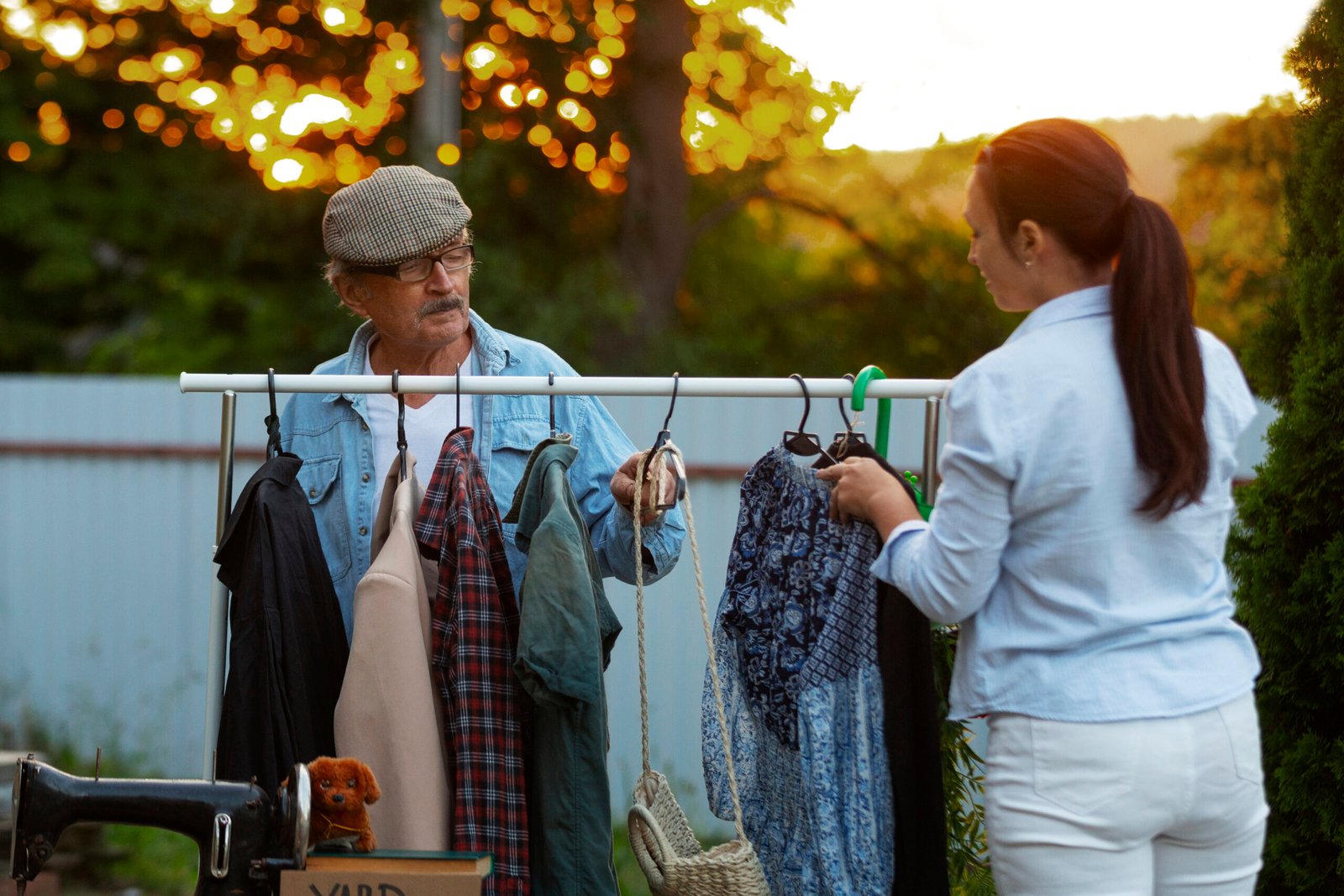
The Complete Guide to Clotheslines: Benefits, Types, Installation, and the Laundry Line Revival
Published

on

closeline

Benefits, Types, Installation, and the Laundry Line Revival

In an era dominated by high-efficiency appliances and smart home technology, the humble clothesline—a simple rope or cord stretched between two points—might seem like a relic of a bygone era. Yet, this age-old method of drying laundry is experiencing a quiet but significant revival. As homeowners and renters alike seek ways to reduce their carbon footprint, lower their utility bills, and extend the life of their wardrobes, the clothesline offers an elegant, low-tech solution. This comprehensive guide explores everything you need to know about the clothesline, from its significant environmental and financial benefits to the various types available, installation best practices, and how to incorporate it into modern living.

The Resurgence of the Clothesline

For decades, the electric or gas clothes dryer has been a staple of modern convenience, offering a quick and weather-proof method for drying laundry. However, this convenience comes at a cost. It is estimated that drying clothes in a dryer will cost approximately $1500 over the course of the appliance’s life . Moreover, a typical mechanical clothes dryer emits about 2 kg CO2 equivalent of greenhouse gases per load, contributing significantly to a household’s carbon footprint . In response to these environmental and economic pressures, many people are rediscovering the clothesline, a device for drying clothes using only the power of the sun and wind . For those with a bit of nostalgia, the clothesline evokes fond memories of grandmothers drying sheets in the breeze, and the stiff, sun-dried towels after a bath . Whether it’s a few pieces of twine in a backyard or a sophisticated retractable system on a balcony, the clothesline is making a comeback as a practical and sustainable choice for a modern lifestyle.

Key Benefits of Using a Clothesline

The advantages of using a clothesline for drying laundry extend well beyond simple nostalgia, offering tangible benefits that appeal to the wallet, the environment, and the quality of the clothes themselves.

Saving Money and Energy

One of the most compelling reasons to adopt a clothesline is the immediate and substantial cost savings. Once you have set up a basic line system, the ongoing cost to dry your clothes is virtually zero . This is in stark contrast to a mechanical clothes dryer, which consumes a significant amount of electricity or gas per load. Air-drying clothes can reduce the average household’s carbon footprint by as much as 2,400 pounds a year and save 10 to 20 percent on utility bills . The financial savings are not just in the daily energy consumption but also in the longevity of the appliance. For a simple rope-and-clothespin line, repair and replacement costs are minimal, estimated at about $20.00 per 1,000 loads of laundry (or 2 cents per load), compared to about $200.00 per 1,000 loads for a mechanical dryer . This significant difference highlights the long-term economic advantage of using a line .

Extending the Life of Your Clothing

The tumbling action and high heat of a mechanical clothes dryer can be harsh on fabrics, leading to shrinkage, fading, and wear over time. The high heat often shrinks fabrics and causes irreversible damage that shortens the life of clothing . In contrast, line drying is a much gentler process. It eliminates the mechanical stress that causes pilling and fiber damage, helping your favorite garments last longer and look newer . Items dried on a line are also less prone to static cling, and if dried in a breeze, they often do not require ironing . Furthermore, line drying avoids the airborne lint and reduced air quality that can be produced by dryer vents . For delicate items that are prone to shrinking, the clothesline is the best option .

Environmental Advantages

Choosing a clothesline is a direct and powerful way to reduce your household’s environmental impact. By eliminating the energy draw of a mechanical dryer, you are significantly reducing your carbon footprint . This simple act conserves energy for future generations and reduces greenhouse gas emissions . The environmental benefits are a key factor in the increasing popularity of clotheslines, especially as more people look for sustainable and energy-efficient alternatives in their daily lives.

Types of Clotheslines: Which One is Right for You?

Choosing the right clothesline depends largely on your available space, budget, and whether you need a permanent or portable solution. There is a style to suit almost every living situation.

Traditional Pole-to-Pole and Hoist Clotheslines

For those with a spacious backyard, the traditional pole-to-pole clothesline is a sturdy and classic choice. This typically involves two metal or wood T-shaped posts planted securely in the ground . When installing this type, it is recommended to bury part of the poles in concrete to support the weight of wet clothes. For maximum sun exposure, the line should be aligned north to south . Another iconic option is the rotary or hoist clothesline, such as the Hills Hoist, which is common in Australia. These feature a central pole with extending arms, offering a large amount of line space in a compact footprint . Traditional hoists are sturdy and functional, but they cannot be moved out of sight for entertaining . The “crucifix” style, a single post with a wooden arm across the top, offers a rustic and practical design that takes up little space .

Space-Saving Solutions: Retractable and Portable Lines

For apartments, condos, or smaller yards, space-saving solutions are ideal. Retractable clotheslines are incredibly popular for their ability to be tucked away when not in use. These lines extend out of a metal holding box to a post a set distance away and retract back in with a simple mechanism, keeping the area neat and clutter-free . The Honey-Can-Do Retractable Clothesline is one example that provides a 40-foot length of drying space and is suitable for both indoor and outdoor use . Another highly-rated product is the GorillaLine, which features a sturdy line lock to prevent sagging . Portable clotheslines are another excellent option for renters or those without permanent installation options. These are often lightweight, collapsible A-frame styles that require no drilling and can be folded up and stored away when not needed . They can be wheeled or carried outside on a sunny day and brought inside when the weather changes, offering exceptional flexibility . These are ideal for small to medium loads and are generally more affordable than built-in lines .

Indoor Drying Options

Not everyone has a backyard, and even for those who do, rainy days can be a challenge. Drying laundry indoors is a practical alternative . A simple “clothes horse” or drying rack can be used in a spare room or living area . For a more permanent solution, a folding frame line can be installed on a wall, which folds flat against it when not in use . For those concerned about aesthetics, retractable lines can be mounted on a wall in a laundry room or garage and are almost invisible when retracted . It’s always recommended that any indoor clothesline be located in a space that can be naturally ventilated to reduce the risk of condensation and mold growth . Drying clothes indoors will typically take longer because there is no direct solar radiation and wind, but it is an effective way to raise humidity in a dry home during winter .

How to Install a Clothesline

A successful clothesline installation begins with careful planning. The first step is to choose a location that is away from trees, overhead wires, and high-traffic areas . For privacy, select a part of your yard with the least visibility to neighbors . The line should be installed at a comfortable height, roughly a few inches above the head of the person who will be using it, to ensure clothes don’t touch the ground when the line sags under weight .

Installing a pole-to-pole system is a more involved project that requires digging. You need to dig two holes about 12 to 18 inches deep, then place the poles in the holes and secure them with concrete . For a line-and-pulley system, attach screw hooks or pulley brackets to two anchor points (like the side of a house and a wooden post). Thread the clothesline through the pulleys and pull it tight, securing the ends with a knot or a line tightener . A key tip for this system is to buy a clothesline that is twice as long as the distance between your anchor points, as the line loops through the pulleys . For an umbrella-style clothesline, the installation is simpler: dig a hole, pour in some concrete, and insert the support tube for the pole . Investing in quality materials is also essential. Nylon or polyester lines are recommended over cotton or vinyl-coated wire, as they are more durable and can better withstand the elements .

Conclusion

The clothesline is far more than a simple piece of rope; it is a symbol of a more sustainable and mindful way of living. As we search for ways to reduce our environmental impact, save money, and slow down the fast pace of modern life, the clothesline offers a tangible and rewarding solution. From the significant savings on energy bills and the preservation of our clothing to the simple pleasure of sun-dried sheets, the benefits are clear. Whether you choose a traditional pole, a modern retractable system, or a portable rack, embracing the “clothesline” is a step towards a more sustainable, economical, and satisfying laundry routine. It’s a practice that connects us to the past while providing a clear path toward a greener future.

Frequently Asked Questions (FAQ)

1. Is it cheaper to use a clothesline or a dryer?
It is significantly cheaper to use a clothesline. Once you have purchased the line, the energy cost to dry your clothes is zero . The repair and replacement costs for a simple clothesline are also a fraction of the cost of a mechanical dryer, which can cost approximately $1500 to operate over its lifespan .

2. Does line-drying make clothes stiff?
Line-dried clothes can sometimes feel stiff, but there are ways to mitigate this. Hanging clothes out in the afternoon and bringing them in the next morning can allow dew to soften the fabric . You can also put the clothes in the dryer for just 5 to 10 minutes after they are dry to fluff them up and remove the stiffness .

3. What is the best type of clothesline for a small apartment?
For a small apartment, a retractable clothesline or a portable drying rack is best. Retractable lines, such as the GorillaLine, can be wall-mounted and pulled out only when needed, saving valuable space . Portable A-frame racks are also excellent as they require no installation and can be folded away when not in use .

4. Can you use a clothesline in the winter or when it’s raining?
Yes, you can use a clothesline in the winter. In freezing conditions, clothes will first freeze and become stiff, and then the moisture will sublimate into the air, leaving the items dry, though it takes longer . For rainy days, you can dry clothes indoors on a rack or folding frame . There are also innovative products like the “Clever CloseLine,” which has an automatic retractable cover that opens when rain starts to protect the clothes .

5. Why don’t more people use clotheslines?
While clotheslines are growing in popularity, some people don’t use them due to a few drawbacks. It takes more time to hang laundry item-by-item than to throw it in a dryer . Some homeowners’ associations or neighborhoods have rules against them, deeming them aesthetically unpleasant . Additionally, outdoor drying can expose clothes to pollen, dust, and bird droppings, which is a concern for people with allergies .

Continue Reading

Trending