Connect with us

Art

Things to Paint: The Ultimate Guide to Finding Your Next Masterpiece

Published

on

things to paint

Why Expanding Your Painting Subject Matter Matters

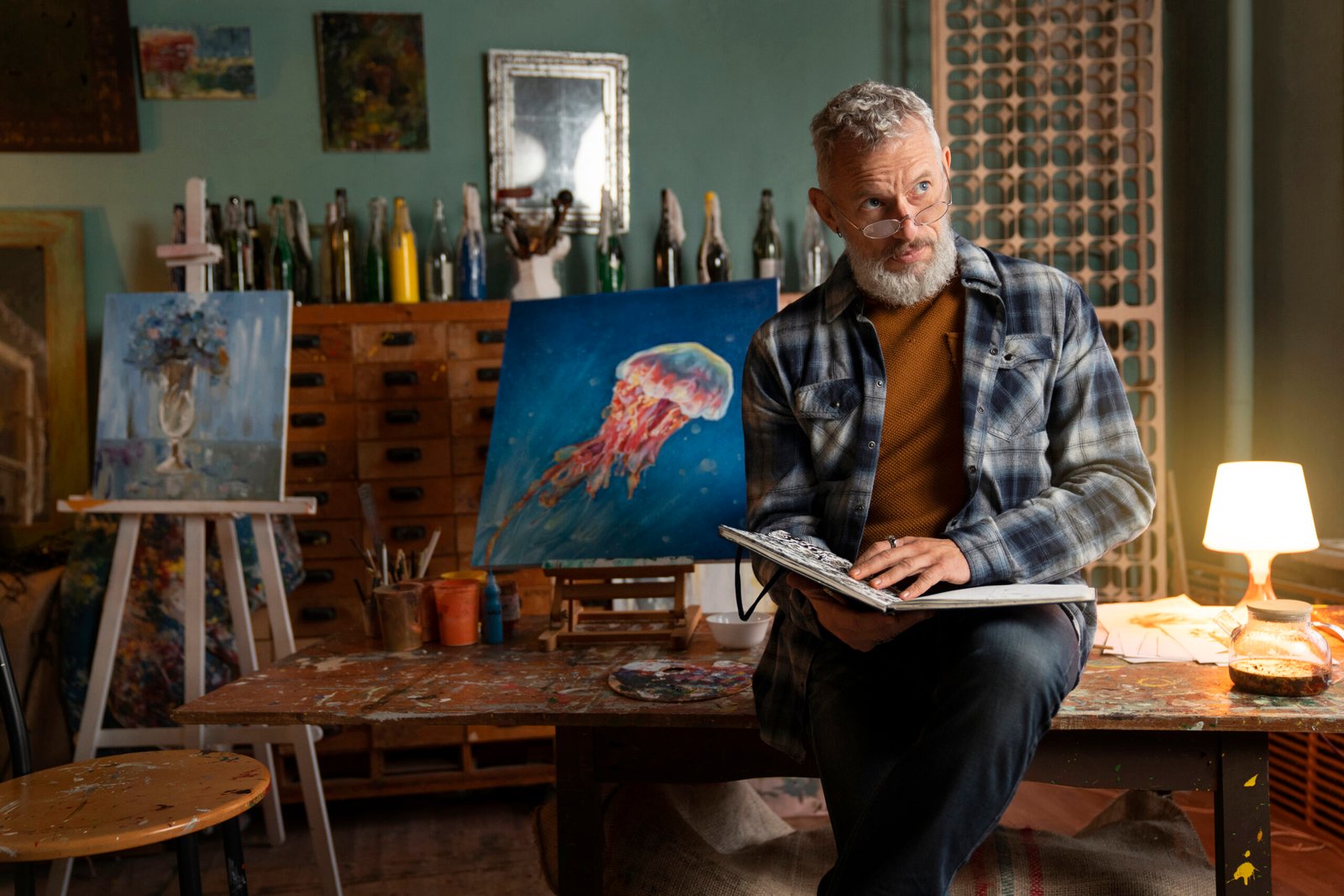
Venturing beyond your comfort zone and exploring different subjects to paint is essential for artistic growth and maintaining creative momentum. When you constantly challenge yourself with new themes, you prevent your work from becoming stale and repetitive, keeping the creative process fresh and engaging . Moreover, different subjects demand different technical approaches; still life, for instance, teaches you to observe light and shadow carefully, while landscapes push you to understand perspective and atmospheric depth . Abstraction can free you from the constraints of realism, encouraging exploration of color and emotion. By rotating through a variety of subjects, you develop a more versatile skill set that makes you a more well-rounded artist . This practice also enhances your observational skills, as painting a wide range of things teaches you to see the world with an artist’s eye, noticing details and beauty that others might overlook in everyday objects and scenes. On a deeper level, diverse subjects allow for greater personal expression, enabling you to explore a wider range of emotions and tell more varied stories through your art. Ultimately, having a rich repertoire of ideas to paint ensures that you never suffer from creator’s block, as you will always have a new challenge to tackle .

Accessible and Easy Painting Ideas for the Complete Beginner

For those just starting out, the world of painting can seem daunting, filled with complex techniques and intimidating subject matter. However, there are countless simple yet rewarding painting ideas that are perfect for building confidence and basic skills. The key for a beginner is to start with subjects that are forgiving and allow for a focus on fundamental techniques like brush control, color mixing, and blending . Starting small also means you are less likely to become overwhelmed and can quickly achieve satisfying results that encourage you to continue. For instance, painting simple trees can be an excellent introduction to watercolor and the wet-on-wet technique, or you can paint with coffee, which behaves similarly to watercolor and allows you to experiment with tone . Similarly, watercolor watermelons are a great starting point because the natural color gradient in the fruit provides perfect practice for using the fluidity of the paint .

Other easy subjects include painting basil leaves, which helps you get comfortable with paints and build observational skills using only a few colors . Sky and weather subjects are also perfect starting points. A sunset gradient, for example, allows you to practice blending just a few warm colors together to create a beautiful, atmospheric effect . A moon and clouds painting combines a simple focal point with soft, loose brushstrokes that do not require precise detail. Cloud practice scenes are also ideal because no two clouds look the same, helping you get comfortable with relaxed, expressive brushwork . More structured but still simple subjects include painting a teacup using gouache, which can be as ornate or simple as you like . A still life with a single piece of fruit, like an apple or orange, is a classic exercise that teaches observation of light and shadow without the complexity of a full fruit bowl. A simple landscape with a few rolling hills or a mountain silhouette against a colorful sky can also be incredibly rewarding and easy to achieve, providing a sense of accomplishment .

Ideas for Painting with Friends and Social Settings

Painting is often viewed as a solitary pursuit, but it can be an incredibly fun and social activity, perfect for gatherings with friends, family, or at events like a sip-and-paint night. The focus in these settings is less on creating a flawless masterpiece and more on shared experience, laughter, and the joy of creating together . Engaging in a group painting session can also spark creativity in a low-pressure environment, as seeing others’ interpretations of the same subject can be inspiring and eye-opening. Several group-friendly painting ideas are perfect for this kind of collaborative fun. Creating a split canvas masterpiece is a fantastic way to collaborate; each person paints a part of a scene that, when combined, tells a complete story, showcasing collective creativity .

Alternatively, you can explore abstract trees with a group, using bold strokes and a vibrant palette to create your own version of a whimsical forest, celebrating individual expression within a shared theme . Interactive art, where you create a series of canvases that form a complete image when placed together, is another engaging project for a group . Seasonally themed paintings are also a great choice, capturing the essence of each season from the vibrant colors of fall leaves to the delicate blooms of spring, providing a clear and accessible theme for everyone . You can even repurpose old wine bottles by turning them into painted masterpieces, making for a fun and practical craft project . For a more spontaneous session, playing music and painting what you feel—whether it is lines, dots, or waves that match the rhythm—is a fantastic mindfulness exercise with no wrong way to do it . These ideas transform painting from an individual endeavor into a shared adventure, creating memories and art simultaneously.

Exploring Nature and the Outdoors

Nature has always been a primary muse for artists, offering an inexhaustible supply of beauty, complexity, and tranquility. Whether you are painting outdoors en plein air or working from memory or photographs, natural subjects provide endless opportunities for exploration and practice. Landscape painting, for instance, is a classic genre that allows you to capture the majesty of mountains, the serenity of forests, or the calm of a beach horizon . Each scene presents its own set of challenges and rewards, from mastering atmospheric perspective in a mountain range to capturing the reflective quality of a lake. For those who enjoy detail, botanical portraits offer a chance to get up close and personal with nature, painting detailed, close-up views of plants, flowers, or trees . The intricate structures and vibrant colors of flora are a wonderful way to practice precision and observation.

Another area of nature to explore is weather-inspired art. Creating a series of paintings inspired by different weather phenomena, such as the moody atmosphere of a stormy sky or the soft hush of a foggy morning, can be a powerful exercise in capturing mood and atmosphere . Silhouette magic is a technique where you paint silhouettes of trees or animals against a colorful dusk or dawn sky, creating a simple yet mesmerizing scene . You can even use natural elements like leaves or pinecones to create unique patterns in your painting, a process known as “painting with nature” . For a more cosmic experience, exploring the beauty of outer space by creating scenes of planets, galaxies, and nebulas using vibrant colors and blending techniques adds a celestial dimension to your nature-themed work . These ideas show that whether you are looking at the ground or the stars, nature is an endless wellspring of artistic ideas.

Abstract and Creative Exercises for When You’re Bored

Even the most passionate artists experience periods of boredom or creative block. When inspiration feels out of reach, turning to abstract and purely creative exercises can be the perfect way to break through the barrier and rediscover the joy of painting for its own sake. These exercises are designed to free you from the pressure of realism and encourage pure experimentation with color, shape, and texture . One of the most liberating approaches is to create monochromatic masterpieces, choosing a single color and creating a painting using only its various shades, which challenges your understanding of value and contrast without the complexity of multiple hues . Similarly, a monochrome textured painting using shades of the same color and adding texture with palette knives, thick brush strokes, or sponges can create a dynamic and rich piece that feels expressive and modern .

Another brilliant exercise is paint-by-music, where you listen to your favorite songs and paint what you visualize, allowing the rhythm and emotion of the music to guide your brush . This practice is a fantastic way to access your subconscious and create art that is deeply personal and unburdened by the need to represent a physical subject. Abstract geometric shapes also allow for immense creativity, as you cannot really go wrong, and you have the freedom to explore various colors and forms, learning about negative space, composition, and color theory organically . Upside-down painting is a particularly interesting exercise; by painting your subject upside down, you force your brain to focus on shapes and colors rather than the subject’s identity, a technique often used to improve drawing skills . Creating optical illusions that play with perspective can also be a fascinating way to challenge yourself and create a painting that makes the viewer question what they are seeing . Finally, art mashups, where you combine elements from two or more different art styles or periods, can lead to exciting and unexpected hybrid creations that are truly unique .

Unusual and Thematic Ideas for the Adventurous Artist

Once you have a handle on the basics and have explored the more common genres, it is time to challenge yourself with unusual and thematic painting ideas. This is where you can truly let your imagination run wild and create pieces that are as unique as your own mind. One of the most engaging concepts is to paint portraits with a twist. Instead of a standard portrait, incorporate surreal or fantastical elements, such as painting a friend with butterfly wings or a family member in a fantastical setting . This not only tests your portrait skills but also pushes your creativity in character design and storytelling. You can also paint scenes from different cultural festivals and traditions from around the world, like the colorful and lively atmosphere of the Brazilian Carnival or India’s Holi Festival, exploring diverse visual palettes and cultural themes .

For something whimsical, try creating your own interpretations of mythical creatures from various cultures, such as dragons, mermaids, or a majestic phoenix . This kind of project allows you to invent your own designs and is a wonderful way to break out of realistic constraints. You could even dive into the microscopic world by painting scenes inspired by microscopic images of cells, bacteria, or other tiny organisms, creating vibrant and intricate abstract works based on scientific imagery . Still life, a classic genre, can be made more adventurous by painting highly detailed and realistic close-ups of food like figs or prawns, which are rich in color and texture, providing a feast for the eyes . For social settings, painting interactive art, such as creating a diptych or a series of canvases that form a complete image when placed together, offers a unique challenge . You can even venture into the world of abstraction to paint your dreams, emotions, or allegorical images, exploring the depths of your own psyche . These thematic ideas are not just things to paint; they are gateways to new styles, techniques, and ways of thinking about art.

Conclusion

The journey of a painter is one of continuous discovery, and the question of what to paint is a companion on that path. From the humble apple in a still life to the swirling galaxies of outer space, the world offers an abundance of subjects that can ignite our creativity and challenge our skills. This guide has traversed a broad spectrum, from easy and accessible ideas for the complete beginner—like simple trees and watercolor watermelons—to complex and thematic concepts for the more adventurous artist, such as painting with surrealist twists or creating art inspired by music. We have explored the joy of painting with friends, the serenity of capturing nature, and the liberating power of abstraction. Each idea is not just a suggestion for a painting but an invitation to experiment, learn, and grow. The goal is not perfection but the joy of creation, the satisfaction of seeing a blank canvas transform into a reflection of your unique vision. Whether you are seeking a relaxing hobby, a social activity, or a serious artistic pursuit, remember that the best thing to paint is the one that excites you. So, gather your supplies, pick an idea that sparks your interest, and begin your next artistic adventure.

Frequently Asked Questions (FAQ)

What is the easiest thing to paint for a complete beginner?

For a complete beginner, simple subjects that don’t require precise details are best. Excellent starting points include painting a sunset gradient to practice blending, a simple tree using watercolor and the wet-on-wet technique, or a basic still life with a single piece of fruit like an orange to practice observing light and shadow . Sky and cloud scenes are also forgiving and help you get comfortable with your brush and paint .

How can I find inspiration when I have no idea what to paint?

When you are feeling uninspired, consider trying an abstract or creative exercise to break free from creative block. Painting to music, where you let the rhythm guide your brushstrokes, is a great way to tap into your subconscious . Creating a monochrome masterpiece or an abstract geometric composition can also free you from the pressure of realism . Sometimes, simply taking a walk in nature or looking at the work of other artists can spark new ideas .

What are some good painting ideas for a group or party?

Group painting sessions are all about fun and shared experience. Split canvas ideas, where each person paints a part of a scene that combines into a complete image, are highly collaborative . A themed painting, such as abstract trees or seasonal scenes, allows everyone to interpret the same subject in their own style . For a more structured social activity, a sip-and-paint night with a single subject like a city skyline or a simple landscape is a popular and enjoyable choice .

How can I improve my painting skills by choosing different subjects?

Painting a variety of subjects is one of the best ways to improve your overall skills. Different subjects teach you different technical skills; for example, landscapes help you understand perspective and atmosphere, while still life improves your observation of light and shadow . Portraits and animal paintings teach character and form, while abstraction allows you to explore color theory and composition without the constraints of realism . By challenging yourself with diverse subjects, you become a more versatile and skilled artist.

What should I paint to create impressive art with minimal effort?

You can create impressive-looking art using simple techniques that are visually striking without being technically difficult. Silhouette paintings, where you paint a colorful gradient sky and add a black silhouette of a tree or city skyline, are a classic example . Another technique is negative space art, where you paint around the subject, leaving its shape blank and creating a bold, modern look . Using a dry brush technique to create soft, blurred effects or creating a two-tone high-contrast painting can also produce professional-looking results with relatively little effort .

Continue Reading

Art

The Art of the Twist: Mastering Plot Twists for Unforgettable Storytelling

Published

on

The Art of the Twist: Mastering Plot Twists for Unforgettable Storytelling

In the vast landscape of storytelling, few narrative devices possess the power to captivate an audience quite like a well-executed twist of plot . From the ancient tragedies of Sophocles to the modern blockbusters of Hollywood, this literary technique has served as the cornerstone of memorable narratives, ensuring that stories linger in the minds of readers and viewers long after the final page is turned or the credits roll . The sudden, radical change in the direction of a story is not merely a gimmick designed to shock; it is a sophisticated tool that re-contextualizes everything that came before it, transforming a linear sequence of events into a complex puzzle where the audience is compelled to re-evaluate their assumptions and piece together the hidden clues. For any writer aiming to craft a truly great article, novel, or screenplay, understanding the mechanics and the “authorial sleight of hand” behind a successful plot twist is essential to elevating their work from the mundane to the extraordinary .

The core of this article is dedicated to dissecting the terminology and the psychological underpinnings of the plot twist. We will explore the lexicon of surprise, from the classic “anagnorisis” of Greek drama to the “red herrings” of detective fiction, providing a comprehensive glossary for the modern writer . We will then transition from theory to practice, offering a strategic guide on how to construct a twist that surprises the audience while maintaining the integrity and logic of the narrative. By distinguishing between a genuine twist of plot and a mere plot development, and by analyzing the pitfalls of overused tropes, this article will serve as a definitive guide for those seeking to master the art of the unexpected and achieve top ranking for content that demands discovery and engagement . The journey of crafting a great story is often paved with predictable paths; a sharp, well-placed twist is the detour that leads to greatness.

The Lexicon of Surprise: Key Terms and Their Explanations

To write a great twist of plot, one must first understand the various forms it can take. The narrative toolbox is filled with specific devices that all fall under the umbrella of “plot twist,” but each functions in a distinct way to create a different effect on the audience . Understanding these specific keywords allows a writer to select the precise tool needed to achieve their desired narrative shock.

Anagnorisis: This classical term refers to a sudden critical discovery of information, most often the true identity of a character or the revelation of a hidden nature . This is the twist where the protagonist, and subsequently the audience, realizes that a fundamental assumption about the story is wrong. The prime example, often cited in literary analysis, is the climax of Oedipus Rex where the king discovers his own tragic origins, or the iconic revelation in The Sixth Sense where the protagonist understands his own spectral state . This device is powerful because it forces an immediate re-evaluation of every preceding event through the lens of this new knowledge .

Red Herring: A classic of mystery and thriller genres, a red herring is a false clue intended to lead investigators—and by extension, the reader—toward an incorrect solution . It is a form of misdirection that relies on the audience’s assumptions to build a path that ultimately proves to be a dead end. Agatha Christie was a master of this technique, populating her novels with suspicious characters, all acting guilty for their own reasons, to obscure the true culprit . This device works not by withholding information, but by flooding the story with misleading information, making the actual twist of plot harder to guess . The very name translates to “pink herring,” a reference to a practice used to train hunting dogs by laying a false scent .

The Unreliable Narrator: This is a twist that fundamentally undermines the reader’s trust in the story itself. An unreliable narrator twists the ending by revealing, often at a pivotal moment, that the perspective through which the story has been filtered is distorted, manipulated, or fabricated . This forces the audience to reconstruct the true narrative from the fragments provided, challenging their prior assumptions. Often, this is a slow-burn twist, as the audience pieces together that the narrator is insane, lying, or simply too naive to understand the events they are describing, as seen in classic films like Fight Club or Shutter Island .

Peripeteia: This term describes a sudden reversal of a character’s fortune, whether for good or ill . Unlike a deus ex machina, this reversal must emerge naturally from the character’s circumstances to be effective. It is a shift from one state to its opposite. A peripeteia can be the devastating twist of the Twilight Zone episode “Time Enough at Last,” where a man who desires only solitude is robbed of his chance by a simple accident, or it can be a positive turn, like the protagonist’s seemingly fatal fall landing in the middle of his own birthday party in The Game .

Chekhov’s Gun: This principle dictates that if a narrative introduces a specific element, it must have a purpose. When applied as a twist, the seemingly minor role a device or character plays at the beginning suddenly becomes pivotal at the climax . The audience and characters may overlook the item because it is given a “normal” reason for being in the scene, but its true significance is revealed later. A classic example is the rock hammer in The Shawshank Redemption, introduced as a hobby item but eventually revealed as the means of escape . The secret to this twist is “authorial sleight of hand”—making the audience look at one thing while the real clue is hidden in plain sight under a different guise .

From Setup to Payoff: The Architecture of an Effective Plot Twist

Understanding the terminology is the first step; the second is mastering the architecture. A great twist of plot is not simply a random surprise thrown at the reader; it is a carefully engineered sequence of events that pays off the reader’s investment in a meaningful way. The golden rule of twist writing is that while the twist must be surprising, it must also, in retrospect, feel inevitable . This balance is achieved through meticulous planning.

The Mechanics of the Surprise: The key to a successful plot twist lies in the setup. This involves planting enough clues so that the conclusion is logical, but using misdirection to ensure the audience is looking the other way . This is often achieved through “authorial sleight of hand,” where a clue is given a legitimate reason for being in the story . For example, a writer might mention a massive set of organ pipes being delivered to a church. If the characters discuss their size or the delay in delivery, it seems like world-building. Only later, when the pipes are used in a climactic scene, does the reader realize the repeated mentions were not decoration but a blueprint for the ending . This makes the reader feel intelligent for solving a puzzle they didn’t know existed, rather than cheated by information that was never provided.

Plot Twist vs. Plot Development: It is vital to distinguish between a genuine twist of plot and a simple plot development . A twist is a radical change in the expected direction that re-contextualizes the narrative. A plot development, on the other hand, is a natural progression of events. In a good plot development, a character’s fortune changes gradually as a result of their actions, such as a selfish person slowly becoming more generous. In a plot twist, the same character might suddenly reveal they were acting selfishly for a heroic reason all along, or conversely, that their supposed “change” was a manipulation . Misjudging this difference can lead to a messy narrative where the “surprise” fails to land because it lacks the necessary narrative weight. For a twist to work, the story must be good first; the twist then adds a layer to the fun .

Avoiding the Gimmick: Many novice writers make the mistake of using a twist to salvage a boring story. This is the cardinal sin of plot twists: using it as a gimmick . A surprise ending that has no logical basis or sacrifices character development just to shock the audience will inevitably feel hollow. Viewers and readers are savvy; they can sense when a twist has been forced. The most effective twists are those that were part of the story’s DNA from the beginning, not something tacked on at the end . Furthermore, writers must be wary of falling back on tired tropes. The “it was all a dream” ending, the sudden discovery of a long-lost twin, or the character who is secretly a member of royalty are often derided because they are perceived as lazy writing and have been done to death, turning the potential for surprise into a predictable sigh .

The Psychology of a Twist: Why We Love to Be Surprised

The appeal of the plot twist is deeply rooted in human psychology. Why do we find it so satisfying to have the rug pulled out from under us, provided the fall is soft and the reward is great? The answer lies in the cognitive process of engagement and the dopamine hit of a “eureka!” moment.

Engaging the Reader’s Intellect: A story with a good twist is an active experience. It transforms the reader from a passive observer into an active participant. They are subconsciously trying to figure out where the plot is going. When a well-executed twist arrives, it catches them off guard, triggering a surge of engagement. The immediate reaction is shock, followed by the rapid mental rewinding of the story, re-evaluating all the prior scenes in the context of the new information . This process is highly stimulating. As one analysis notes, the goal is to create both surprise and a sense that the reader should have seen it coming all along. This feeling of “I should have known” is actually a reward for the reader’s analytical skills being challenged and satisfied .

The Power of Misdirection: Great twists often rely on a form of “confirmation bias.” The audience is led to believe a specific outcome is inevitable, and once that assumption is solidified, their brains filter out contradictory evidence. An unreliable narrator, for instance, or a red herring, takes advantage of this. The writer guides the audience’s attention to a specific “truth,” and while they are looking at that, the real mechanics of the twist are operating in their periphery . This is the magic of storytelling—it’s a collaboration. The writer creates the setup, the audience makes the assumptions, and the writer pulls the trigger on a payoff that both builds upon and shatters those assumptions. As noted in research, even revealing the existence of a plot twist does not necessarily ruin the enjoyment; the journey of observing the mechanics can be just as rewarding as the surprise itself .

Conclusion

The art of the plot twist is one of the most powerful weapons in a storyteller’s arsenal. It is the difference between a narrative that is merely consumed and one that is experienced and remembered. A masterful twist of plot is not about delivering a cheap shock; it is about carefully orchestrating a narrative symphony where every note, from the quietest setup to the loudest payoff, serves a purpose. By understanding the established mechanisms—the red herrings, the unreliable narrators, and the anagnorisis—and by focusing on the delicate balance between foreshadowing and misdirection, any writer can craft a revelation that leaves their audience stunned and deeply satisfied .

However, this power comes with a significant responsibility. The writer must ensure that the desire to surprise never comes at the expense of the story’s soul. The narrative must hold water on its own, with the twist serving as the spectacular final layer of paint, not the scaffolding holding the entire structure up . The journey of the characters must remain believable, the clues must be present, and the final revelation must feel like an inevitable truth that was hidden in plain sight. By respecting the reader’s intelligence and meticulously crafting the path to the twist, the writer creates an experience that is not only shocking but also profoundly moving and intellectually resonant, ensuring their story achieves a top ranking in the hearts and minds of their audience.

Frequently Asked Questions (FAQs)

1. What makes a plot twist “good” versus just a “gimmick”?
A good plot twist feels both surprising and inevitable. It is carefully foreshadowed, so that when you look back, the clues were all there, hidden in plain sight . A gimmick, on the other hand, is a twist that comes out of nowhere, often sacrificing logic or character development just to shock the audience, leaving them feeling cheated rather than amazed .

2. Where is the best place to put a plot twist in a story?
While many associate twists with the ending, they can be placed anywhere after the reader’s expectations have been established . A twist in the middle can create a feverish tension that propels the story forward, while a twist at the climax is designed to resonate long after the story is over . The placement should serve the story’s structure.

3. What is the difference between a “red herring” and “foreshadowing”?
They are opposing forces. Foreshadowing is the planting of genuine clues that point toward the eventual truth of the plot twist . A red herring, however, is a false clue planted specifically to mislead the audience into expecting a different, incorrect outcome. Foreshadowing builds toward the truth; a red herring builds toward a dead end .

4. Should I reveal the existence of a plot twist to my readers?
Generally, it is not recommended to reveal the existence of a twist in marketing or blurbs, as it can ruin the experience for some readers by putting them on guard. The effectiveness of a plot twist often relies on the audience’s not having expected it . Even revealing that a work contains a twist can alter how the reader approaches the story, often lessening the emotional impact.

5. What are the most common plot twist clichés to avoid?
Writers should steer clear of overused tropes that have become predictable. Some of the most criticized include: “It was all a dream,” the “long-lost family” revelation (like a secret twin), the “beauty and the beast” romance where a beautiful person falls for a monster, and the “chosen one” prophecy . These are seen as lazy writing because they have been done so often they no longer shock the modern, savvy audience.

Continue Reading

Art

The Art of Nude Drawing: A Comprehensive Guide to Mastering the Human Figure

Published

on

nude drawing

Introduction

Nude drawing is far more than a genre of art; it is a profound discipline that has shaped the very foundation of artistic expression for centuries. Artists who pursue mastery of the human form discover that nude drawing, also known as figure drawing, represents the ultimate challenge in capturing humanity, emotion, and aesthetic beauty on paper or canvas. The tradition of drawing from the live nude model is one of the most rigorous and rewarding practices in art education, demanding not only technical skill but also a deep understanding of human anatomy, proportion, and the subtle interplay of light and shadow on the human body .

The significance of nude drawing extends well beyond the fine arts. This essential skill is fundamental for fashion and costume designers, illustrators, 3D animators, and visual artists of virtually every discipline . By engaging with the nude figure, artists learn to see beyond surface appearances, developing the ability to translate three-dimensional form onto a two-dimensional surface with accuracy and sensitivity. This article explores the rich history, essential techniques, and contemporary relevance of nude drawing, providing both aspiring and experienced artists with the knowledge needed to excel in this foundational artistic practice.

The Historical Significance of Nude Drawing

To understand the importance of nude drawing, one must first appreciate its deep roots in the history of art. In its earliest incarnations, the depiction of the unclothed human form was reserved primarily for representations of gods and supernatural beings, often featuring elements like drapery or accessories that distinguished these figures from mere mortals . This tradition gradually evolved, and by the Renaissance, the study of the nude had become a cornerstone of artistic training, with masters such as Leonardo da Vinci extolling the practice as a “spiritual exercise” . The ability to draw the human figure accurately was considered the hallmark of a truly accomplished artist.

Throughout the centuries, nude drawing has occupied a paradoxical position in the art world. While works by Eugène Delacroix were celebrated as revolutionary, those by artists like Édouard Manet sparked public scandal . Gustave Courbet dared to explore more explicit scenes, while Egon Schiele’s emotionally charged depictions of the female form both fascinated and provoked audiences . This tension between artistic expression and social propriety is part of what makes nude art so compelling and historically significant. As perceptions of the human body and nudity have shifted across generations, so too has the role of nude drawing in reflecting contemporary values and attitudes.

Essential Techniques for Drawing the Nude Figure

The practice of nude drawing requires a methodological approach that combines acute observation with foundational knowledge. A typical session in an art school setting involves students arranged around a central stage where a live model assumes various postures, with poses ranging from ten seconds for quick gesture studies to thirty minutes for more detailed compositions . These varied timeframes allow artists to develop different skills, from capturing the essence of movement and energy in quick sketches to rendering fine details and subtle anatomical relationships in extended studies.

One of the most crucial lessons in nude drawing is knowing when to stop. As artists work, there comes a point at which the initial spontaneity and freshness of the drawing can become degraded through overworking . Professional artists learn to recognize this threshold, preserving the vitality and energy of their initial marks while still developing the drawing sufficiently. The quality of light is also paramount, as a strong natural light source creates dramatic shadows and relief that help artists define the three-dimensional form more accurately . Understanding how light interacts with the contours of the human body is essential for creating drawings that feel alive and dimensional.

Anatomy and Proportion Fundamentals

While the human eye is a powerful tool for observation, relying solely on visual perception often results in drawings that appear messy, disproportionate, or simply incorrect. A basic knowledge of human anatomy is therefore indispensable for serious students of nude drawing . Understanding the arrangement of the skeleton provides a framework for seeing the model from the inside out, helping artists comprehend the underlying structure that supports the surface form. This anatomical understanding is not meant to be followed rigidly, but rather serves as a guide that informs accurate observation, particularly when resolving challenging perspectives of complex areas like hands or feet.

Proportion is another critical element of successful nude drawing. Traditional systems like the eight-head or nine-head proportion models provide artists with reliable guidelines for representing the human figure accurately . These systems, which measure the body in relation to the height of the head, help artists maintain consistent and believable proportions across different poses and perspectives. However, artists must also recognize that individual models may deviate from these ideal proportions, with some having unusually long limbs, large heads, or other unique characteristics that make each figure distinct . The artist’s job is to balance anatomical knowledge with careful observation of the specific individual before them.

Materials and Mediums for Nude Art

The materials artists choose for nude drawing can significantly influence the character and quality of their work. Traditional options include standard paper pencils, charcoal, ink, colored pencils, watercolors, pastels, and more experimental media like markers and paint . Each medium offers unique possibilities in terms of line quality, tonal range, and textural effect. Charcoal is particularly valued for its ability to create rich, dramatic contrasts and soft gradations that capture the subtle modulations of skin and muscle. Pencil allows for greater precision and fine detail, while ink demands a confident, fluid touch.

In the fashion illustration field, nude drawing serves as a critical foundation for developing professional skills. Fashion illustrators often work with proportion systems like the eight-head and nine-head models that are specifically adapted for fashion design . This specialized application of nude drawing principles demonstrates the versatility of figure drawing skills, which can be adapted to meet the needs of diverse creative industries. Many institutions now offer dedicated programs in nude drawing that serve both fine artists and applied arts professionals, recognizing the universal importance of this skill .

Live Model Sessions and Etiquette

Participating in live model sessions is an essential component of learning nude drawing, and these sessions operate according to specific etiquette protocols designed to ensure respect and professionalism. The fundamental rule governing all interactions during these sessions is respect for the model . During the drawing session, students are expected to give the model adequate personal space, avoid any behavior that could be perceived as inappropriate, and refrain from talking to the model or other participants while poses are in progress . This silence allows for concentration and maintains the professional atmosphere necessary for focused artistic work.

During breaks, models should be allowed to robe themselves privately before socializing . Students should not discuss models from current or previous sessions among themselves, and should only engage in conversation with the model if the model initiates contact and appears receptive . Personal questions, comments about the model’s body, or romantic advances are strictly prohibited. Many art schools maintain these standards rigorously, and experienced students report that modeling sessions are typically conducted with remarkable professionalism and respect . This professional environment is what allows artists to focus on their craft and models to feel safe and valued in their work.

Nude Drawing in Art Education

Nude drawing remains a foundational component of formal art education, tested by the entrance examinations of many fine arts academies . Beyond the fine arts, this skill is essential for students pursuing careers in fashion design, costume design, illustration, and 3D animation . These disciplines all require a deep understanding of the human form in motion and at rest, making nude drawing a practical necessity rather than merely an academic exercise. Lifelong learning programs now offer opportunities for amateur artists and professionals alike to develop or refine their figure drawing skills, challenging the prejudice that drawing ability is purely a matter of innate talent .

The structure of formal nude drawing instruction typically progresses through stages, beginning with foundational concepts like proportion and basic anatomy before moving to more advanced studies of specific body parts, various poses, and different artistic mediums . Students learn to work with charcoal, pencil, and ink, applying principles of composition and anatomical relationships in their work . Many programs now also incorporate contemporary approaches to the figure, exploring abstract and expressive interpretations alongside traditional representational techniques.

Digital Tools for Contemporary Nude Art

The digital revolution has transformed how artists approach nude drawing, introducing new tools and platforms that expand the possibilities for creative expression and professional development. Digital drawing tablets and software provide artists with unprecedented flexibility, enabling them to work with a virtually unlimited range of brushes, textures, and effects without the constraints of physical materials. Figure drawing apps now offer artists the ability to practice with virtual models when live sessions are unavailable, making this essential training more accessible than ever.

Online platforms have also created new communities for nude drawing practitioners, allowing artists to share their work, receive feedback, and participate in virtual drawing sessions. Streaming platforms have become important venues for artists to share their creative process with audiences, with recent policy changes at major platforms now explicitly permitting the streaming of artistic nude content when appropriately labeled . This increased visibility helps artists reach broader audiences while educating the public about the artistic nature of nude figure study. For artists seeking to build a professional career, digital tools also facilitate the creation of online portfolios that showcase their figure drawing abilities to potential clients and employers.

Building an Online Portfolio for Nude Drawings

For artists specializing in nude drawing, establishing a professional online presence is essential for attracting clients and building a career. Search engine optimization for artists involves researching and implementing relevant keywords throughout website content, image descriptions, and page titles . Terms like “life drawing,” “figure drawing,” “nude drawing,” “charcoal figure study,” and more specific phrases related to artistic style and medium can help target audiences actively seeking these works . The challenge is balancing search engine requirements with the aesthetic considerations appropriate for fine art.

Online portfolios should present nude drawings professionally and clearly, with high-quality images that accurately represent the physical works. Artists should include descriptive titles, dimensions, medium information, and contextual details that help viewers understand the work . Some artists choose to sell their nude drawings directly through online galleries and marketplace platforms, which often provide additional visibility for artists who specialize in this genre . These platforms can connect artists with collectors who appreciate figurative art, creating valuable commercial opportunities for professional artists.

Frequently Asked Questions

Is nude drawing considered art?
Yes, nude drawing is firmly established as a legitimate and respected art form with a history spanning thousands of years. It is recognized as a fundamental discipline in art education and is practiced by professional artists worldwide . The distinction between artistic nudity and other forms of unclothed representation is widely recognized in the art world.

Do I need to know anatomy to draw nudes?
While not strictly required, a basic understanding of human anatomy significantly improves your ability to draw the nude figure accurately. Knowledge of skeletal structure and major muscle groups helps artists understand what they observe, enabling more accurate and convincing representations .

What materials are best for nude drawing?
Charcoal, pencil, and ink are traditional favorites for nude drawing, though artists may also work with colored pencils, watercolors, pastels, markers, and digital tools. Each medium offers different possibilities for line quality, shading, and texture .

How long does a typical nude drawing session last?
Professional life drawing sessions typically last about two hours, with models holding poses ranging from ten seconds to thirty minutes . This variety allows artists to develop different skills in a single session.

What is the difference between “nude” and “naked” in art?
Art historians often distinguish between these terms, with “nude” referring to the artistic representation of the unclothed human form, while “naked” may imply vulnerability or exposure outside the artistic context .

Conclusion

Nude drawing stands as one of the most challenging and rewarding disciplines in the visual arts, offering artists the opportunity to develop technical mastery while exploring the profound beauty of the human form. From its ancient origins to its contemporary practice in both traditional and digital media, the study of the nude figure continues to be essential for artists across numerous disciplines. Whether you aspire to become a fine artist, a fashion designer, or an animator, the skills developed through nude drawing will serve as a foundation for your creative career.

The contemporary artist specializing in nude drawing enjoys more opportunities than ever before, with digital tools expanding creative possibilities and online platforms providing new avenues for visibility and commerce. The increasing recognition of nude drawing as a legitimate art form, demonstrated by recent policy changes at major platforms, suggests that this discipline will continue to grow in importance. By mastering the techniques of nude drawing and developing a strong professional presence, artists can build meaningful careers while participating in one of art’s most enduring traditions.

Continue Reading

Trending