
Fashion
Grape Shoes: A Complete Guide to Purple Sneakers and Sustainable Grape Leather Footwear

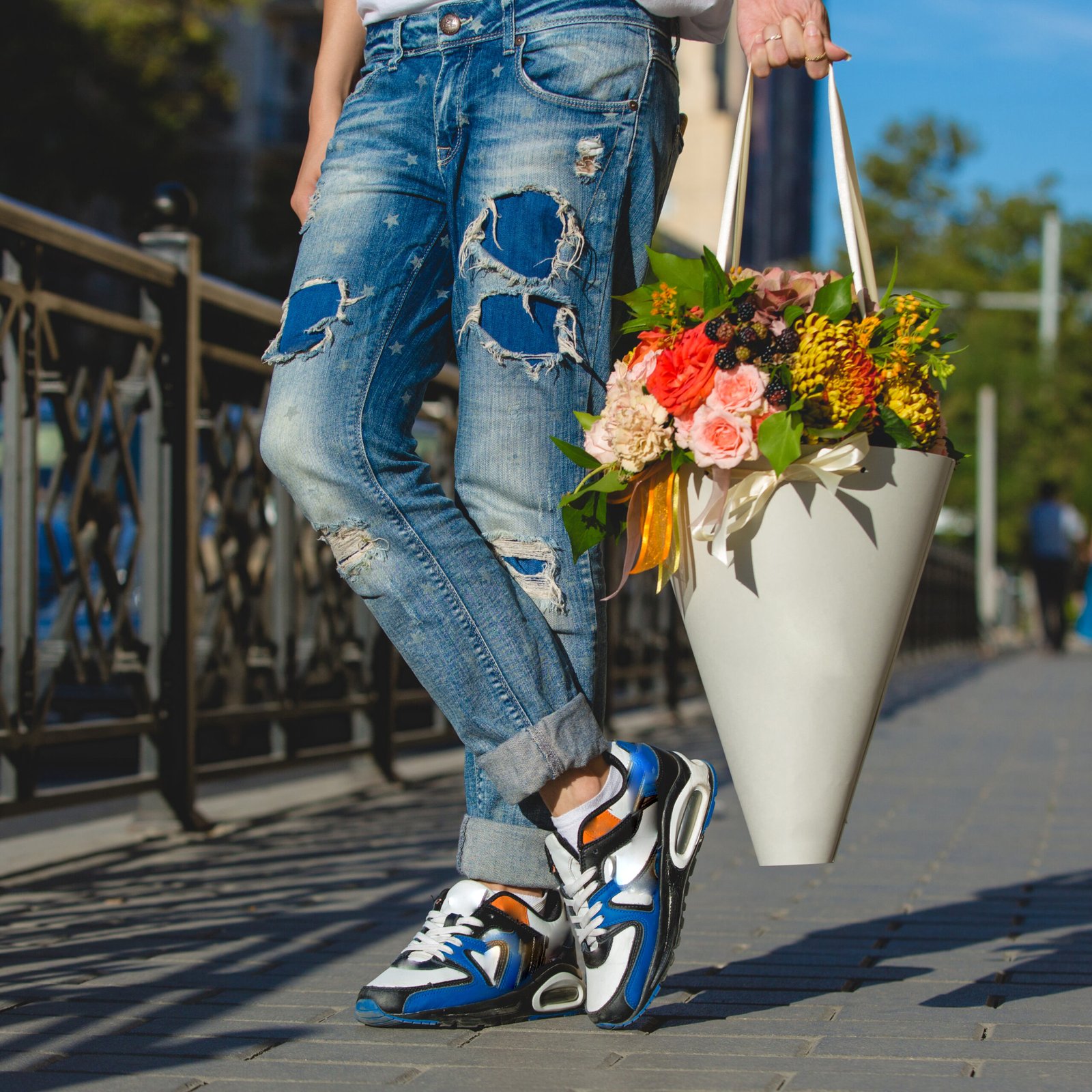
What Are Grape Shoes
The keyword grape shoes is surprisingly broad. Search interest comes from shoppers looking for purple-colored footwear as well as consumers interested in eco-friendly materials. That dual meaning has made the keyword increasingly valuable for retailers and fashion bloggers alike.
For sneaker fans, grape shoes usually describe footwear featuring a deep purple color inspired by grapes. These shoes often combine purple with white, black, teal, or green accents to create eye-catching colorways. Purple has become one of the most fashionable colors in modern streetwear because it balances boldness with versatility.
On the sustainability side, grape shoes refer to footwear manufactured using grape leather, a vegan alternative developed from agricultural waste. Instead of discarding grape leftovers after wine production, manufacturers transform them into durable fashion materials, reducing waste while minimizing dependence on traditional animal leather.
Purple Grape-Colored Shoes
Purple has experienced a major resurgence in fashion over the last few years. Designers increasingly use grape-inspired shades because they offer something different from traditional black, white, or brown footwear without becoming difficult to style.
Several manufacturers have introduced grape-themed collections featuring suede, leather, canvas, and mesh materials. These shoes appeal to sneaker collectors, skateboarders, and everyday casual wearers alike.
Popular Sneaker Collections
Some of today’s most recognizable grape-colored releases include:
| Brand | Model | Highlights |
|---|---|---|
| Clarks | Wallabee Grape | Premium suede, crepe sole |
| Vans | Checkerboard Grape | Classic slip-on canvas |
| Vans | Half Cab Croc Grape | Skate performance with textured suede |
| Fallen | Patriot Grape | Cupsole skate shoe |
| Puma | Velophasis Grape Wine | Sport-inspired lifestyle sneaker |
These releases demonstrate how different brands interpret the grape color palette while maintaining their signature aesthetics.
Limited Edition Releases
Many grape-colored sneakers are released as seasonal editions or limited production runs. Limited availability often increases demand among collectors, especially when combined with premium materials or anniversary editions.
Collectors frequently monitor sneaker launches because grape colorways tend to sell out faster than standard colors. Community discussions on sneaker forums regularly praise these releases for their nostalgic appeal and unique styling opportunities.
Styling Purple Shoes
Purple shoes can initially seem intimidating, but they’re surprisingly versatile. Neutral clothing allows grape-colored footwear to become the centerpiece of an outfit without overwhelming the overall look.
Some popular outfit combinations include:
- Black jeans with a white T-shirt
- Grey joggers and a hoodie
- Dark denim with earth-tone jackets
- Beige chinos and knitwear
- Monochrome streetwear with purple accents
The key is balance. Rather than matching every accessory to the shoes, let the footwear provide a vibrant focal point.
Grape Leather Shoes
One of the most exciting developments in sustainable fashion is the rise of grape leather. Unlike synthetic materials made primarily from petroleum, grape leather uses agricultural waste from vineyards.
What Is Grape Leather?
Companies producing grape leather collect leftover grape skins, seeds, and stems after wine production. These by-products are blended with plant-based ingredients and water-based polyurethane to create a flexible material that resembles traditional leather.
VEGEA, one of the pioneers in this field, produces grape leather containing approximately 78% plant-based eco-composite material and 22% water-based polyurethane, making it one of the more bio-based vegan leather alternatives currently available.
How It’s Manufactured
The production process generally follows these stages:
- Collection of vineyard waste.
- Drying and processing grape residue.
- Mixing with plant oils and natural fibers.
- Forming sheets on textile backing.
- Surface finishing for durability and appearance.
This circular manufacturing approach gives agricultural waste a second life while reducing environmental impact.
Environmental Benefits
Traditional leather production requires livestock farming, tanning chemicals, and significant water consumption. Grape leather offers an alternative that makes use of materials that would otherwise become waste.
Its primary environmental advantages include:
- Reduced agricultural waste.
- Lower dependence on animal products.
- More efficient resource utilization.
- Increased use of renewable plant materials.
- Reduced environmental footprint compared with conventional leather production.
These benefits explain why many sustainable footwear brands have begun experimenting with grape-based materials.
Durability and Performance
Consumers often wonder whether plant-based leather performs as well as conventional leather. Modern grape leather products are designed to provide flexibility, abrasion resistance, and everyday durability suitable for casual footwear.
Many early adopters report positive long-term experiences with grape leather shoes, noting that they hold up well under regular use while maintaining their appearance. Although performance varies by manufacturer, community feedback has generally been encouraging.
Best Grape Shoes Available Today
Today’s market offers options for nearly every style preference.
Luxury Options
Luxury brands are incorporating grape leather into premium sneakers and boots designed for consumers seeking sustainable fashion without sacrificing aesthetics. These products often feature European craftsmanship, recycled linings, and eco-friendly rubber outsoles.
Casual Sneakers
Casual grape-colored sneakers remain among the easiest shoes to wear daily. Models from Vans, Clarks, and Puma combine comfort with distinctive colorways that work across multiple wardrobes. Their versatility makes them excellent choices for students, professionals, and weekend wearers alike.
Skate Shoes
Skateboarding brands continue embracing grape-inspired designs because bold colors have long been part of skate culture. Shoes like the Vans Half Cab Croc Grape and Fallen Patriot Grape combine reinforced construction, padded collars, and grippy outsoles suitable for demanding use.
How to Choose the Right Pair
Choosing the right grape shoes depends on how you plan to wear them. Fashion-focused buyers may prioritize color and design, while environmentally conscious consumers may focus on sustainable materials.
Materials
Different materials serve different purposes.
| Material | Best For | Benefits |
|---|---|---|
| Suede | Lifestyle | Premium appearance |
| Canvas | Casual wear | Lightweight and breathable |
| Grape Leather | Sustainable fashion | Eco-conscious alternative |
| Mesh | Athletic wear | Excellent ventilation |
Each material offers unique advantages, so buyers should match the material with their intended use.
Comfort and Fit
Comfort remains just as important as appearance. Look for cushioned insoles, supportive midsoles, quality outsoles, and breathable linings. Trying shoes on or consulting detailed sizing guides helps ensure the best fit, especially for limited-edition releases that may be difficult to exchange.
Caring for Grape Shoes
Proper maintenance extends the life of any footwear. Purple suede shoes benefit from regular brushing and protective sprays designed for suede materials. Canvas sneakers should be cleaned gently using mild soap and water, while grape leather products should be wiped with a soft damp cloth and stored away from excessive heat or direct sunlight.
Rotating between multiple pairs also helps reduce wear and allows shoes to dry naturally after daily use. Simple maintenance routines preserve both appearance and comfort over time.
Conclusion
Whether you’re searching for bold purple sneakers or innovative grape leather footwear, grape shoes represent two exciting directions in modern fashion. The popularity of grape-colored designs continues to grow thanks to their striking appearance and versatility, while grape leather demonstrates how sustainable innovation can transform agricultural waste into premium fashion products.
As more brands experiment with vibrant colors and environmentally friendly materials, consumers have more choices than ever before. Investing in a quality pair of grape shoes allows you to express personal style while, in some cases, supporting more sustainable manufacturing practices.
Frequently Asked Questions
1. What are grape shoes?
The term usually refers to either purple-colored shoes or footwear made using sustainable grape leather.
2. Is grape leather real leather?
No. Grape leather is a vegan leather alternative produced primarily from wine industry by-products combined with plant-based materials.
3. Are grape leather shoes durable?
Yes. High-quality grape leather shoes are designed for everyday wear and offer durability comparable to many synthetic leather products.
4. Which brands make grape-colored shoes?
Popular examples include Clarks, Vans, Fallen, and Puma, all of which have released grape-themed footwear collections.
5. Are grape shoes worth buying?
If you enjoy bold colors or sustainable fashion, grape shoes offer an excellent combination of unique style, comfort, and innovation.

In the landscape of modern celebrity culture, there are figures who actively court the spotlight and those who, despite a brief moment in its glare, retreat into privacy. Sanne Hamers firmly belongs to the latter category. A Dutch fashion stylist and design consultant, Hamers first came to public attention through her marriage to Wyatt Russell, the son of Hollywood icons Kurt Russell and Goldie Hawn. However, unlike many who leverage such connections for fame, Hamers chose a different path. Her story is not one of a celebrity spouse seeking the limelight, but of an individual who valued her craft and privacy, navigating the complexities of a high-profile marriage and ultimately building a successful, independent life after its end . This article explores the confirmed details and the intriguing gaps in the public record of Sanne Hamers‘ life, career, and journey.
The Enigmatic Stylist: Early Life and Career Beginnings
Sanne Hamers is a native of the Netherlands, with most reports identifying her birthplace as the city of Dronten, though she was raised in Amsterdam . Her educational background is rooted in her passion for fashion; she studied fashion design at TMO Hogeschool voor Modemanagement in the Netherlands, which laid the foundation for her professional life .
Before her name became linked to Hollywood royalty, Hamers was establishing herself as a stylist. She built a career in the fashion and design world, a field where she could express her creative vision. Her early work in the Netherlands helped her develop a keen eye for aesthetics, a skill she would later bring with her when she moved to the United States. While she is often described as a “stylist,” it is reported that she also worked as a design consultant for California Closets, a prominent interior design firm. Her professional profile highlights an organizational expertise and a belief that an orderly space is key to reducing stress and enhancing focus . This work showcases a talent that is both creative and practical, far removed from the often-fickle world of celebrity.
A Meeting in the Netherlands and a Hollywood Marriage
The most public chapter of Sanne Hamers‘ life began not on a red carpet, but in her home country. It was in the Netherlands that she met Wyatt Russell, who was at the time playing professional ice hockey for a team in Groningen . While various sources give slightly different accounts of their meeting place, it is widely reported that they met in 2010 at a salsa bar in the city . Their connection was immediate, and they began a relationship that would lead to marriage.
The couple married in a private ceremony in Los Angeles on March 14, 2012 . This union thrust Hamers into the orbit of one of Hollywood’s most beloved families. As the daughter-in-law of Kurt Russell and Goldie Hawn and the sister-in-law of Kate Hudson and Oliver Hudson, she entered a world of immense public interest. For a time, she was a fixture at premieres and industry events, seen alongside Russell at the premieres of films like This Is 40 and 22 Jump Street . During this period, it was reported that through her mother-in-law, Goldie Hawn, she had the opportunity to intern with renowned celebrity stylist Rachel Zoe and even served as Hawn’s personal stylist . Her life, once private, became a subject of fascination for tabloids and fans alike.
A Return to Privacy: Divorce and a New Chapter
Despite the high-profile nature of the marriage, the relationship between Sanne Hamers and Wyatt Russell was not to last. The couple separated on March 2, 2015, and their divorce was finalized in 2017 . The reasons for their split were not publicly disclosed by either party, and they did not have children together . For Hamers, the end of the marriage marked a significant turning point. She chose to step away from the celebrity spotlight rather than remain in it, a decision that defines her story.
While many might have used the platform for continued public exposure, Hamers returned to her professional pursuits and embraced a private life. However, her story does not end there. She has moved on personally and professionally. Current information suggests she is in a committed relationship and has a son, Skipper (often referred to as “Skippy”), born around 2021 . Professionally, she is reported to be an entrepreneur and the owner of Atelier Preserve, a business in La Jolla, California, where she designs and 3D-prints bespoke creations . Her Instagram account, @design.by.sanne, offers a curated glimpse into her professional work, her creative process, and her family life, away from the controversies that often accompany public figures . She has successfully crafted a life on her own terms, defined by her creativity and her family, not her past association with Hollywood.
Conclusion
Sanne Hamers is a figure who represents a fascinating contrast to the typical celebrity story. She is known, yet private; briefly a public figure, yet deeply dedicated to her personal and professional life away from the cameras. Her journey from a Dutch stylist to the wife of a Hollywood actor, and then to a design consultant and entrepreneur, reveals a person of resilience and intent. The main details of her life—her Dutch upbringing, her brief marriage to Wyatt Russell, and her subsequent re-emergence as a private businesswoman and mother—are clear. However, much of her story remains her own, protected from the public scrutiny she once experienced. In an age of oversharing, Sanne Hamers serves as a powerful example of the value of a life lived out of the spotlight, defined by one’s work and family rather than by a past celebrity association.
Frequently Asked Questions (FAQ)
Who is Sanne Hamers?
Sanne Hamers is a Dutch fashion stylist and design consultant best known as the former wife of actor Wyatt Russell, the son of Kurt Russell and Goldie Hawn. She has built a career in styling and design and currently runs her own business, Atelier Preserve .
When did Sanne Hamers and Wyatt Russell get married and divorce?
Sanne Hamers and Wyatt Russell were married on March 14, 2012. They separated on March 2, 2015, and their divorce was finalized in 2017 .
What does Sanne Hamers do for a living?
Sanne Hamers has worked as a fashion stylist and as a design consultant. Currently, she is an entrepreneur and the owner of Atelier Preserve, a business that focuses on designing and hand-finishing custom creations .
Where is Sanne Hamers from?
Sanne Hamers is from the Netherlands, with reports indicating she was born in Dronten and raised in Amsterdam .
Does Sanne Hamers have children?
Sanne Hamers did not have children with Wyatt Russell. She is, however, reported to have a son named Skipper, born in 2021, from a subsequent relationship .
What is Sanne Hamers’ net worth?
The exact details of Sanne Hamers‘ net worth are not publicly verified and vary between sources. Some reports estimate it to be around $500,000 to $1 million, derived from her career as a stylist and design consultant .
Fashion
Paula Profit: The Untold Story of Charlie Sheen’s First Love and the Quiet Strength Behind Hollywood’s Most Famous Dynasty



Becki Jones TikTok: Her Rise to Social Media Fame, Content and Latest Updates

Alice Rosenblum: Biography, Background, Career, and Life Story

+44 330 123 9354: Who Called Me and What You Should Know

The Ultimate Guide to Radio Z 92.3 Miami: Miami’s Premier Destination for Salsa and Tropical Music

The Ultimate Guide to Creating a Quantity Button HTML: Boosting E-commerce UX and Conversion Rates

Grape Shoes: A Complete Guide to Purple Sneakers and Sustainable Grape Leather Footwear
 Entertainment2 months ago
The Ultimate Guide to Radio Z 92.3 Miami: Miami’s Premier Destination for Salsa and Tropical Music
- Business2 months ago
The Ultimate Guide to Creating a Quantity Button HTML: Boosting E-commerce UX and Conversion Rates
- Fitness2 months ago
Lauren Dascalo: The Rise of a Fitness Icon and the Power of Body Positivity
- lifestyle2 months ago
Mark Fluent: Biography, Career, Net Worth, Family, and Life Beyond the Spotlight
- Animal2 months ago
The Ultimate Guide to SD Antelope: Hunting, Biology, and Conservation in South Dakota
- Tech2 months ago
PornDroid: The Android Malware Threat You Need to Know About
- Fashion2 months ago
Dressel Designs YoYo: Innovation, Premium Craftsmanship, and Why Collectors Love the Brand
- Business2 months ago
The Poopsar GitHub Repository: A Deep Dive into Features, SEO Strategy, and Content Optimization