
FOOD
Kapahulu, HI: Oahu’s Best-Kept Secret for Local Food, Iconic Hikes, and Vintage Charm

FOOD
Best Tapas Tortilla Chips Con Chorizo Near Me: A Complete Guide to Finding Authentic Spanish Flavor
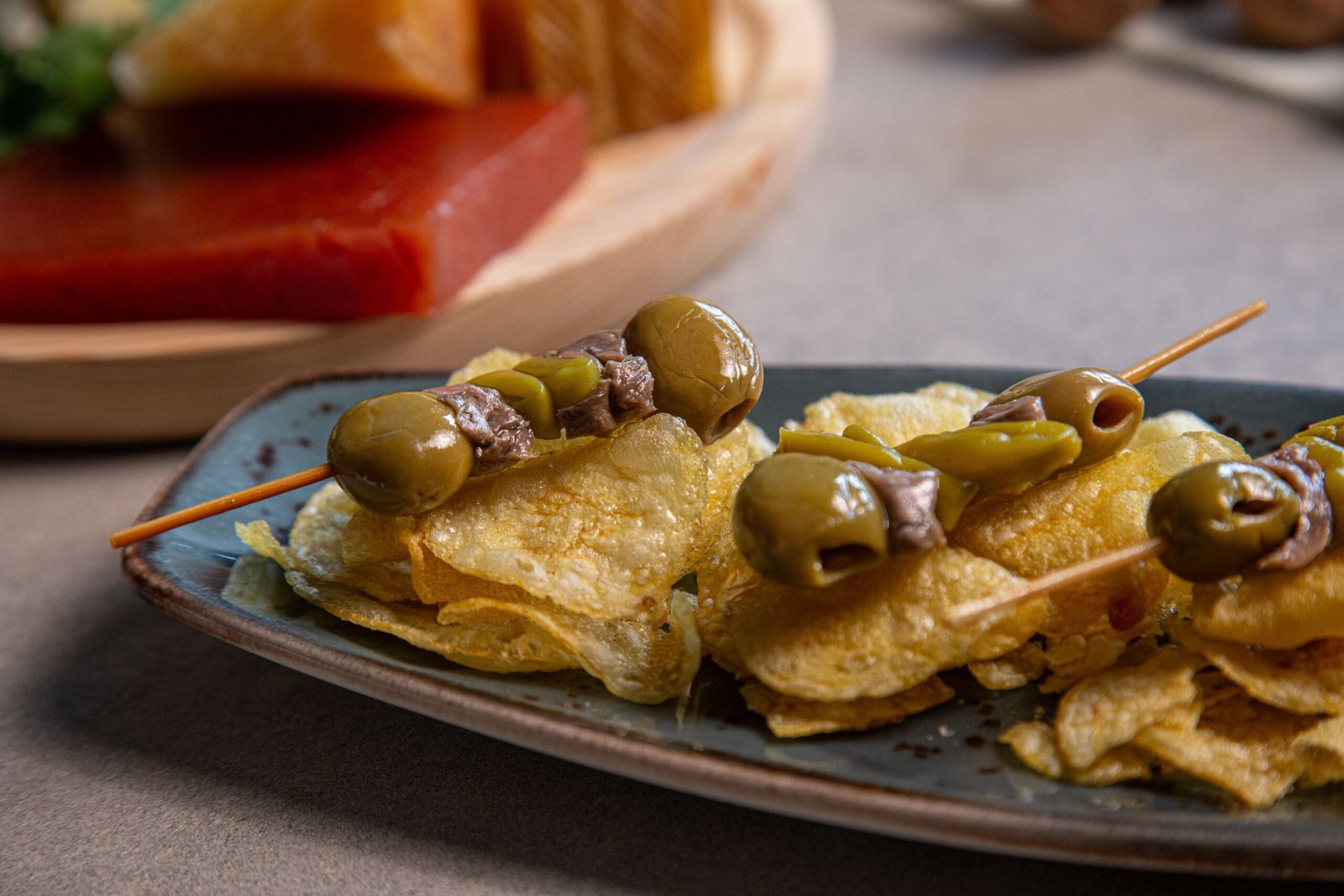
Searching for the best tapas tortilla chips con chorizo near me can lead you to a wide range of restaurants, tapas bars, Spanish-inspired cafés, and small-plate dining spots, but finding a genuinely satisfying version requires more than choosing the closest place on a map. This flavorful combination brings together crunchy tortilla chips, savory chorizo, rich cheese or sauces in some modern interpretations, fresh herbs, roasted peppers, and Spanish-inspired seasonings to create an appetizer that is ideal for sharing. Chorizo is especially important because its characteristic paprika and garlic flavors provide a smoky, savory richness that works naturally with potatoes, bread, eggs, cheese, and other tapas ingredients. Modern restaurants may interpret the dish differently, so when searching for the best tapas tortilla chips con chorizo near me, it is worth considering ingredient quality, freshness, preparation, portion size, seasoning, atmosphere, customer reviews, and whether the restaurant specializes in Spanish or tapas-style cuisine.
SEO Title Ideas for “Best Tapas Tortilla Chips Con Chorizo Near Me”
1. Best Tapas Tortilla Chips Con Chorizo Near Me: Find the Perfect Spanish-Inspired Appetizer
This title places the exact primary keyword at the beginning, making the search intent immediately clear. The phrase “Spanish-inspired appetizer” also gives the article a broader topical connection to Spanish cuisine while naturally attracting readers who are searching for a flavorful small plate.
2. Best Tapas Tortilla Chips Con Chorizo Near Me: What to Look for Before You Order
This version targets people who have already decided what they want to eat and are comparing nearby restaurants. The keyword “what to look for” creates an informational angle, while “before you order” makes the title useful for readers who want practical restaurant-selection advice.
3. Where to Find the Best Tapas Tortilla Chips Con Chorizo Near Me
This is a strong local-search title because it uses the complete keyword while adding the phrase “where to find.” It is especially suitable for readers who are ready to discover restaurants, tapas bars, and Spanish-inspired dining options in their area.
4. Best Tapas Tortilla Chips Con Chorizo Near Me: A Guide to Crispy Chips and Smoky Chorizo
This title emphasizes the two major flavor and texture components of the dish. “Crispy chips” appeals to people searching for texture, while “smoky chorizo” highlights the savory ingredient that gives the dish its distinctive character.
5. How to Choose the Best Tapas Tortilla Chips Con Chorizo Near Me
This title focuses on decision-making and gives the article an opportunity to explain how readers can compare restaurants, ingredients, freshness, preparation, reviews, and serving styles before choosing a location.
What Are Tapas Tortilla Chips Con Chorizo?
The phrase tapas tortilla chips con chorizo can describe a modern Spanish-inspired small plate rather than one universally standardized traditional Spanish recipe. Traditional Spanish tortilla, or tortilla de patatas, is a potato-and-egg dish, while modern tapas menus may use crispy tortilla chips as a base and combine them with chorizo and other ingredients. This distinction is helpful when searching for the best tapas tortilla chips con chorizo near me, because different restaurants may use the same phrase for noticeably different preparations. Some versions focus on crispy chips and sliced or crumbled chorizo, while others may add cheese, roasted peppers, onions, garlic, herbs, sauces, or paprika to create a loaded tapas-style appetizer. The combination works because crispy textures contrast with the tender, savory meat, while the spices and oils from the chorizo add depth to every bite.
Why Chorizo Makes This Tapas Dish So Flavorful
Chorizo is often the ingredient that gives this appetizer its strongest personality. Spanish-style chorizo is widely associated with paprika and garlic, producing a rich color and distinctive savory flavor. Depending on the variety and preparation, chorizo may be cured, sliced, cooked, grilled, or incorporated into another dish. When paired with crispy tortilla chips, the sausage provides richness and seasoning that can turn a simple snack into a satisfying tapas experience. The best restaurants understand that chorizo should complement rather than completely overwhelm the other ingredients. When you search for the best tapas tortilla chips con chorizo near me, look for descriptions that mention quality Spanish chorizo, fresh preparation, paprika, garlic, olive oil, roasted peppers, Spanish cheese, or other ingredients that naturally complement the sausage.
What Makes the Best Tapas Tortilla Chips Con Chorizo Near Me Stand Out?
The best version is usually defined by balance rather than simply adding as many toppings as possible. Crispy tortilla chips should retain their texture instead of becoming soggy beneath heavy toppings, while the chorizo should be flavorful and properly prepared. If cheese or sauce is included, it should enhance the dish without masking the flavor of the sausage. Fresh herbs, roasted peppers, onions, garlic, or a light drizzle of olive oil can provide additional contrast and brightness. Good seasoning is equally important because the combination of salty chips and savory chorizo can become overwhelming if every component is heavily seasoned. When searching for the best tapas tortilla chips con chorizo near me, consider whether the restaurant appears to care about individual ingredients and preparation instead of simply serving a generic plate of chips with sausage added on top.
How to Find the Best Tapas Tortilla Chips Con Chorizo Near Me
Start by searching specifically for Spanish restaurants, tapas restaurants, Spanish cafés, wine bars, and restaurants that describe their menu as Mediterranean or Spanish-inspired. A restaurant specializing in small plates is often more likely to understand the sharing-style approach associated with tapas. Online menus are particularly useful because they can tell you whether a restaurant actually serves chorizo-based tapas rather than simply offering generic nachos or chips. Restaurant reviews can also provide clues about portion size, freshness, service, atmosphere, and ingredient quality, but it is important to remember that menus change and a dish available at one location may not be available at another. A useful local-search strategy is to compare several nearby restaurants instead of automatically choosing the first result, then check the current menu and recent customer feedback before making your decision.
Look for Freshly Prepared Ingredients
Freshness can make a major difference in a crispy tapas dish. Tortilla chips lose their appealing crunch when they sit underneath moist toppings for too long, while chorizo can become dry or overly greasy if it has been held for an extended period. A strong restaurant should ideally assemble the dish close to serving time so the textures remain distinct. Fresh herbs, roasted peppers, onions, sauces, and other toppings should also taste vibrant rather than tired or overly salty. When looking for the best tapas tortilla chips con chorizo near me, pay attention to reviews that specifically mention freshness and preparation. Comments about crisp chips, flavorful chorizo, generous toppings, and food arriving hot or freshly assembled can be more useful than a simple overall star rating.
Pay Attention to the Quality of the Chorizo
Not every sausage labeled chorizo will provide the same experience, so ingredient quality is one of the most important considerations. Spanish chorizo is particularly associated with paprika and garlic, while other culinary traditions use the word chorizo for different styles of sausage. A restaurant specializing in Spanish food may use imported or Spanish-style chorizo, while a fusion restaurant may create its own interpretation. Neither approach is automatically wrong, but knowing what style you want will make your search much easier. If you want a more traditional Spanish flavor, look for a restaurant that clearly identifies its chorizo and Spanish ingredients on the menu. If you enjoy modern fusion food, a creative version with cheese, jalapeños, roasted vegetables, sauces, or other toppings may be exactly what you want.
The Importance of Crispy Tortilla Chips
Texture is one of the main reasons this dish is so appealing. The chips provide a crunchy foundation that contrasts with the softer and richer ingredients. If the chips are stale, excessively oily, or already soft before the toppings are added, the entire dish can feel disappointing. Good chips should provide a satisfying crunch while still allowing you to taste the underlying corn or tortilla flavor. Some modern restaurants may use commercially prepared tortilla chips, while others may make their own or use a particular style of chip designed for loaded tapas. When searching for the best tapas tortilla chips con chorizo near me, consider whether the restaurant prepares the dish to order and whether customer reviews mention texture.
Cheese, Peppers, Garlic, and Other Popular Additions
Modern tapas-style versions can include a variety of additional ingredients that create more layers of flavor. Melted cheese can provide creaminess, while roasted peppers add sweetness and a mild smoky character. Garlic can intensify the savory profile, and fresh parsley or other herbs can provide freshness. Some restaurants may also serve the dish with aioli or another sauce, creating a creamy contrast with the crunchy chips and savory chorizo. These additions are not necessarily part of a single traditional recipe, so it is useful to view them as modern interpretations rather than requirements for authenticity. The most successful versions use additions thoughtfully, ensuring that the chorizo remains recognizable and that the tortilla chips retain enough crunch to make the dish enjoyable.
Best Places to Search for Tapas Tortilla Chips Con Chorizo
Spanish tapas restaurants are an obvious place to begin because their menus are built around small plates and Spanish ingredients. However, Spanish-inspired restaurants, wine bars, Mediterranean restaurants, food halls, and independent cafés may also offer similar dishes. In larger cities, Spanish delis and specialty food markets can sometimes provide prepared tapas or the ingredients needed to create a similar plate at home. When searching online, try several related phrases instead of relying on only one exact search. Along with best tapas tortilla chips con chorizo near me, consider searches such as Spanish tapas near me, chorizo tapas near me, Spanish restaurant near me, loaded tortilla chips with chorizo, Spanish small plates near me, and tapas bar near me. Using related searches can uncover restaurants whose menus use different wording for a similar dish.
How to Compare Nearby Restaurants
Once you have several options, compare them based on the factors that matter most to you. Start with the menu because a restaurant cannot be the best choice for this specific search if it does not currently offer the dish or something substantially similar. Next, look at recent reviews for comments about food quality, freshness, portion sizes, service, cleanliness, and value. Photos can also help you understand whether the restaurant serves a simple tapas plate, a heavily loaded version, or a more refined presentation. Finally, consider location and convenience. The restaurant closest to you is not necessarily the best, but a highly regarded restaurant that is reasonably nearby may offer a much better experience than a convenient place with poor food quality.
Why Tapas Are Perfect for Sharing
One of the most enjoyable aspects of tapas dining is the opportunity to order several smaller dishes instead of committing to one large entrée. A plate of tortilla chips con chorizo can become the centerpiece of a casual sharing table alongside olives, croquettes, grilled vegetables, seafood, potatoes, cured meats, cheeses, or other small plates. This makes the dish particularly suitable for groups, casual dates, family meals, celebrations, and relaxed evenings with friends. Instead of treating the best tapas tortilla chips con chorizo near me as an isolated appetizer, consider it part of a broader Spanish-inspired meal where different textures and flavors can be enjoyed together.
What Drinks Pair Well With Chorizo Tapas?
Rich and smoky chorizo can pair well with a variety of beverages, depending on personal preference and the restaurant’s menu. Spanish wine is a natural choice, particularly wines with enough character to stand alongside the savory sausage. Beer can also work well because its refreshing qualities provide contrast to the richness of the dish. Sangria is another popular pairing in tapas settings, although the best choice ultimately depends on what you enjoy. If you are dining at a Spanish restaurant, asking the server for a beverage recommendation can be worthwhile because they may know which drink works best with their particular preparation of chorizo and chips.
Signs You Have Found a Great Tapas Restaurant
A strong tapas restaurant usually pays attention to more than one individual dish. Look for a menu with variety, thoughtfully prepared small plates, fresh ingredients, clear descriptions, and an atmosphere that encourages relaxed sharing. Restaurants that regularly feature Spanish ingredients and explain their preparation can be particularly interesting for diners who want to explore the cuisine. Consistent reviews mentioning food quality and attentive service are also encouraging signs. If a restaurant specializes in Spanish or tapas dining, you may have a better chance of finding a carefully prepared version of tapas tortilla chips con chorizo than at a restaurant where the dish is simply one generic appetizer among dozens of unrelated cuisines.
Common Mistakes to Avoid When Searching
One common mistake is assuming that every dish containing tortilla chips and chorizo is automatically traditional Spanish tapas. Modern restaurants frequently combine culinary influences, and that can be delicious, but it is useful to know whether you are searching for authenticity or simply a tasty Spanish-inspired appetizer. Another mistake is judging a restaurant entirely by its overall rating without reading recent reviews. A restaurant can have an excellent reputation while a particular dish receives mixed feedback. It is also important to check current menus because restaurants frequently change seasonal offerings and specials. Finally, do not assume that the nearest restaurant will always provide the best experience. Comparing several options can help you find better food, better value, and a more enjoyable dining atmosphere.
Can You Make Tortilla Chips Con Chorizo at Home?
Yes, a home version can be surprisingly easy to prepare. Start with good-quality tortilla chips and flavorful chorizo, then decide whether you want a simple combination or a more heavily loaded tapas-style plate. You can add cheese, roasted peppers, onions, garlic, herbs, or a suitable sauce depending on your preferences. If using cured chorizo, thin slices can provide an intense flavor, while cooked fresh chorizo creates a different texture and richness. The most important thing is to avoid making the chips soggy. Add moist toppings shortly before serving and keep the proportions balanced so the chorizo enhances the chips instead of overwhelming them.
Is the Most Expensive Version Always the Best?
Price can provide some clues about ingredient quality and preparation, but it does not guarantee that a particular dish will be your favorite. A moderately priced neighborhood tapas restaurant may serve an outstanding plate because its kitchen focuses on freshness and proper seasoning. Meanwhile, an expensive restaurant may present a sophisticated interpretation that is delicious but quite different from what you expected. When searching for the best tapas tortilla chips con chorizo near me, consider value rather than price alone. Look at portion size, ingredient quality, preparation, customer feedback, restaurant atmosphere, and whether the dish matches your preferred style.
How to Search for the Best Option in Your Area
A good local search should combine the exact keyword with related terms and practical filters. Search for best tapas tortilla chips con chorizo near me, then compare Spanish restaurants, tapas bars, and Spanish-inspired dining options that appear nearby. Read the menu carefully and look for chorizo dishes, tortilla-based tapas, loaded chips, Spanish small plates, or similar appetizers. If the exact dish is not listed, you can contact the restaurant and ask whether they currently serve a chorizo-and-tortilla-chip appetizer or a comparable tapas plate. This approach is particularly useful because the exact phrase may not appear on every restaurant menu even when the kitchen offers a similar dish.
What to Expect From a Great Serving
A memorable plate should provide several contrasting experiences in every bite. The chips should contribute crunch, the chorizo should provide savory paprika-rich flavor, and any cheese or sauce should add richness without making everything heavy. Fresh herbs or roasted vegetables can contribute brightness and balance. The dish should also be served in a way that makes sharing easy, because tapas are fundamentally associated with social dining and sampling multiple foods. Whether you prefer a simple plate of crispy chips and sliced chorizo or a loaded modern version with cheese and vegetables, the best serving is one where every component has a clear purpose.
Conclusion
Finding the best tapas tortilla chips con chorizo near me is ultimately about discovering the right combination of flavor, texture, freshness, ingredients, preparation, and atmosphere. Chorizo brings a distinctive savory character associated with paprika and garlic, while crispy tortilla chips provide the crunch that makes the dish so satisfying. Modern tapas restaurants may build on this foundation with cheese, roasted peppers, herbs, garlic, sauces, or other ingredients, giving diners plenty of variations to explore. Because the exact dish can differ from one restaurant to another, the smartest approach is to compare menus, read recent reviews, consider ingredient quality, and choose a restaurant whose style matches your expectations. Whether you are looking for an authentic Spanish-inspired experience or a creative modern tapas plate, taking a little time to research your options can turn a simple search into a memorable meal.
Frequently Asked Questions
What are tapas tortilla chips con chorizo?
Tapas tortilla chips con chorizo generally refers to a Spanish-inspired small plate combining crispy tortilla chips with chorizo and potentially other ingredients such as cheese, peppers, herbs, garlic, or sauces. The exact preparation varies by restaurant, and it should not be confused with traditional Spanish tortilla de patatas, which is a potato-and-egg dish.
How do I find the best tapas tortilla chips con chorizo near me?
Search for best tapas tortilla chips con chorizo near me, Spanish tapas restaurants, chorizo tapas, Spanish restaurants, and tapas bars in your area. Compare current menus, recent reviews, food photos, prices, and restaurant specialties before choosing where to eat.
What makes good tortilla chips con chorizo?
Good versions generally balance crisp tortilla chips with flavorful chorizo and complementary toppings. The chips should retain their crunch, while the chorizo should provide savory depth without overpowering the other ingredients.
Is chorizo traditionally used in Spanish tapas?
Yes, chorizo is a popular ingredient in Spanish cooking and appears in many tapas preparations. Its paprika and garlic flavors make it particularly suitable for pairing with potatoes, eggs, bread, vegetables, and other small-plate ingredients.
Is tortilla chips con chorizo the same as Spanish tortilla?
No. Traditional Spanish tortilla, or tortilla de patatas, is primarily a potato-and-egg dish. Tortilla chips con chorizo is generally a modern or Spanish-inspired appetizer using crispy tortilla chips and chorizo, although restaurants may interpret the name differently.
What should I order with chorizo tortilla chips?
You can pair the dish with other tapas such as olives, roasted vegetables, potatoes, cheeses, cured meats, seafood, or croquettes. A Spanish wine, beer, or sangria can also complement the savory flavors.
Can tortilla chips con chorizo be a full meal?
It can be filling, particularly when served as a loaded appetizer with cheese and other toppings, but it is generally better suited to sharing as part of a larger tapas meal. Ordering several small plates allows you to experience more flavors.
Should I choose an authentic Spanish restaurant?
If your priority is traditional Spanish ingredients and preparation, a Spanish restaurant or tapas specialist is a sensible place to begin. If you enjoy creative interpretations, Spanish-inspired and fusion restaurants can also offer interesting versions of the dish.
What keywords should I use to find this dish online?
Useful related searches include best tapas tortilla chips con chorizo near me, tapas tortilla chips with chorizo near me, Spanish tapas near me, chorizo tapas near me, Spanish restaurant near me, tapas bar near me, and Spanish small plates near me. Using several related phrases can help you discover restaurants that describe the dish differently on their menus.



Millie Bobby Brown: Career, Movies, Stranger Things, and Enola Holmes

2005 Chevy Avalanche: Specs, Engines, Towing Capacity, Features and Buying Guide

Yo Soy El Que Manda: Meaning, Origin, and Why the Phrase Became So Popular

The Ultimate Guide to Creating a Quantity Button HTML: Boosting E-commerce UX and Conversion Rates

The Ultimate Guide to Radio Z 92.3 Miami: Miami’s Premier Destination for Salsa and Tropical Music

Lauren Dascalo: The Rise of a Fitness Icon and the Power of Body Positivity
 Business4 months ago
The Ultimate Guide to Creating a Quantity Button HTML: Boosting E-commerce UX and Conversion Rates
- Entertainment4 months ago
The Ultimate Guide to Radio Z 92.3 Miami: Miami’s Premier Destination for Salsa and Tropical Music
- Fitness4 months ago
Lauren Dascalo: The Rise of a Fitness Icon and the Power of Body Positivity
- lifestyle4 months ago
Mark Fluent: Biography, Career, Net Worth, Family, and Life Beyond the Spotlight
- Fashion4 months ago
Grape Shoes: A Complete Guide to Purple Sneakers and Sustainable Grape Leather Footwear
- Animal3 months ago
The Ultimate Guide to SD Antelope: Hunting, Biology, and Conservation in South Dakota
- Fashion4 months ago
Dressel Designs YoYo: Innovation, Premium Craftsmanship, and Why Collectors Love the Brand
- Sports4 months ago
Cricfooty: The Complete Guide to the Emerging Cricket-Football Phenomenon in 2026