Connect with us

FOOD

Best Tapas Tortilla Chips Con Chorizo Near Me: A Complete Guide to Finding Authentic Spanish Flavor

Published

on

Best Tapas Tortilla Chips Con Chorizo Near Me

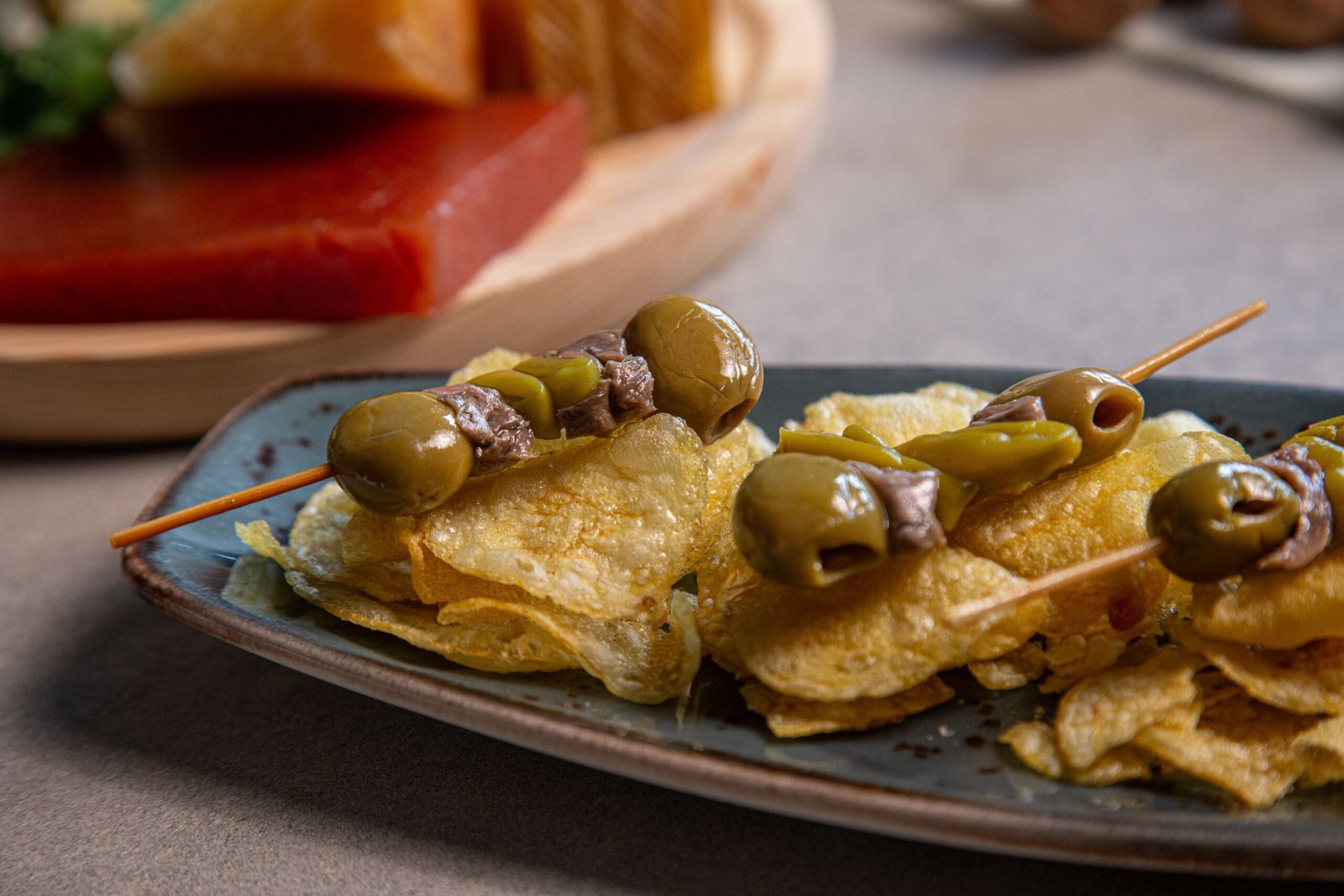
Searching for the best tapas tortilla chips con chorizo near me can lead you to a wide range of restaurants, tapas bars, Spanish-inspired cafés, and small-plate dining spots, but finding a genuinely satisfying version requires more than choosing the closest place on a map. This flavorful combination brings together crunchy tortilla chips, savory chorizo, rich cheese or sauces in some modern interpretations, fresh herbs, roasted peppers, and Spanish-inspired seasonings to create an appetizer that is ideal for sharing. Chorizo is especially important because its characteristic paprika and garlic flavors provide a smoky, savory richness that works naturally with potatoes, bread, eggs, cheese, and other tapas ingredients. Modern restaurants may interpret the dish differently, so when searching for the best tapas tortilla chips con chorizo near me, it is worth considering ingredient quality, freshness, preparation, portion size, seasoning, atmosphere, customer reviews, and whether the restaurant specializes in Spanish or tapas-style cuisine.

SEO Title Ideas for “Best Tapas Tortilla Chips Con Chorizo Near Me”

1. Best Tapas Tortilla Chips Con Chorizo Near Me: Find the Perfect Spanish-Inspired Appetizer

This title places the exact primary keyword at the beginning, making the search intent immediately clear. The phrase “Spanish-inspired appetizer” also gives the article a broader topical connection to Spanish cuisine while naturally attracting readers who are searching for a flavorful small plate.

2. Best Tapas Tortilla Chips Con Chorizo Near Me: What to Look for Before You Order

This version targets people who have already decided what they want to eat and are comparing nearby restaurants. The keyword “what to look for” creates an informational angle, while “before you order” makes the title useful for readers who want practical restaurant-selection advice.

3. Where to Find the Best Tapas Tortilla Chips Con Chorizo Near Me

This is a strong local-search title because it uses the complete keyword while adding the phrase “where to find.” It is especially suitable for readers who are ready to discover restaurants, tapas bars, and Spanish-inspired dining options in their area.

4. Best Tapas Tortilla Chips Con Chorizo Near Me: A Guide to Crispy Chips and Smoky Chorizo

This title emphasizes the two major flavor and texture components of the dish. “Crispy chips” appeals to people searching for texture, while “smoky chorizo” highlights the savory ingredient that gives the dish its distinctive character.

5. How to Choose the Best Tapas Tortilla Chips Con Chorizo Near Me

This title focuses on decision-making and gives the article an opportunity to explain how readers can compare restaurants, ingredients, freshness, preparation, reviews, and serving styles before choosing a location.

What Are Tapas Tortilla Chips Con Chorizo?

The phrase tapas tortilla chips con chorizo can describe a modern Spanish-inspired small plate rather than one universally standardized traditional Spanish recipe. Traditional Spanish tortilla, or tortilla de patatas, is a potato-and-egg dish, while modern tapas menus may use crispy tortilla chips as a base and combine them with chorizo and other ingredients. This distinction is helpful when searching for the best tapas tortilla chips con chorizo near me, because different restaurants may use the same phrase for noticeably different preparations. Some versions focus on crispy chips and sliced or crumbled chorizo, while others may add cheese, roasted peppers, onions, garlic, herbs, sauces, or paprika to create a loaded tapas-style appetizer. The combination works because crispy textures contrast with the tender, savory meat, while the spices and oils from the chorizo add depth to every bite.

Why Chorizo Makes This Tapas Dish So Flavorful

Chorizo is often the ingredient that gives this appetizer its strongest personality. Spanish-style chorizo is widely associated with paprika and garlic, producing a rich color and distinctive savory flavor. Depending on the variety and preparation, chorizo may be cured, sliced, cooked, grilled, or incorporated into another dish. When paired with crispy tortilla chips, the sausage provides richness and seasoning that can turn a simple snack into a satisfying tapas experience. The best restaurants understand that chorizo should complement rather than completely overwhelm the other ingredients. When you search for the best tapas tortilla chips con chorizo near me, look for descriptions that mention quality Spanish chorizo, fresh preparation, paprika, garlic, olive oil, roasted peppers, Spanish cheese, or other ingredients that naturally complement the sausage.

What Makes the Best Tapas Tortilla Chips Con Chorizo Near Me Stand Out?

The best version is usually defined by balance rather than simply adding as many toppings as possible. Crispy tortilla chips should retain their texture instead of becoming soggy beneath heavy toppings, while the chorizo should be flavorful and properly prepared. If cheese or sauce is included, it should enhance the dish without masking the flavor of the sausage. Fresh herbs, roasted peppers, onions, garlic, or a light drizzle of olive oil can provide additional contrast and brightness. Good seasoning is equally important because the combination of salty chips and savory chorizo can become overwhelming if every component is heavily seasoned. When searching for the best tapas tortilla chips con chorizo near me, consider whether the restaurant appears to care about individual ingredients and preparation instead of simply serving a generic plate of chips with sausage added on top.

How to Find the Best Tapas Tortilla Chips Con Chorizo Near Me

Start by searching specifically for Spanish restaurants, tapas restaurants, Spanish cafés, wine bars, and restaurants that describe their menu as Mediterranean or Spanish-inspired. A restaurant specializing in small plates is often more likely to understand the sharing-style approach associated with tapas. Online menus are particularly useful because they can tell you whether a restaurant actually serves chorizo-based tapas rather than simply offering generic nachos or chips. Restaurant reviews can also provide clues about portion size, freshness, service, atmosphere, and ingredient quality, but it is important to remember that menus change and a dish available at one location may not be available at another. A useful local-search strategy is to compare several nearby restaurants instead of automatically choosing the first result, then check the current menu and recent customer feedback before making your decision.

Look for Freshly Prepared Ingredients

Freshness can make a major difference in a crispy tapas dish. Tortilla chips lose their appealing crunch when they sit underneath moist toppings for too long, while chorizo can become dry or overly greasy if it has been held for an extended period. A strong restaurant should ideally assemble the dish close to serving time so the textures remain distinct. Fresh herbs, roasted peppers, onions, sauces, and other toppings should also taste vibrant rather than tired or overly salty. When looking for the best tapas tortilla chips con chorizo near me, pay attention to reviews that specifically mention freshness and preparation. Comments about crisp chips, flavorful chorizo, generous toppings, and food arriving hot or freshly assembled can be more useful than a simple overall star rating.

Pay Attention to the Quality of the Chorizo

Not every sausage labeled chorizo will provide the same experience, so ingredient quality is one of the most important considerations. Spanish chorizo is particularly associated with paprika and garlic, while other culinary traditions use the word chorizo for different styles of sausage. A restaurant specializing in Spanish food may use imported or Spanish-style chorizo, while a fusion restaurant may create its own interpretation. Neither approach is automatically wrong, but knowing what style you want will make your search much easier. If you want a more traditional Spanish flavor, look for a restaurant that clearly identifies its chorizo and Spanish ingredients on the menu. If you enjoy modern fusion food, a creative version with cheese, jalapeños, roasted vegetables, sauces, or other toppings may be exactly what you want.

The Importance of Crispy Tortilla Chips

Texture is one of the main reasons this dish is so appealing. The chips provide a crunchy foundation that contrasts with the softer and richer ingredients. If the chips are stale, excessively oily, or already soft before the toppings are added, the entire dish can feel disappointing. Good chips should provide a satisfying crunch while still allowing you to taste the underlying corn or tortilla flavor. Some modern restaurants may use commercially prepared tortilla chips, while others may make their own or use a particular style of chip designed for loaded tapas. When searching for the best tapas tortilla chips con chorizo near me, consider whether the restaurant prepares the dish to order and whether customer reviews mention texture.

Cheese, Peppers, Garlic, and Other Popular Additions

Modern tapas-style versions can include a variety of additional ingredients that create more layers of flavor. Melted cheese can provide creaminess, while roasted peppers add sweetness and a mild smoky character. Garlic can intensify the savory profile, and fresh parsley or other herbs can provide freshness. Some restaurants may also serve the dish with aioli or another sauce, creating a creamy contrast with the crunchy chips and savory chorizo. These additions are not necessarily part of a single traditional recipe, so it is useful to view them as modern interpretations rather than requirements for authenticity. The most successful versions use additions thoughtfully, ensuring that the chorizo remains recognizable and that the tortilla chips retain enough crunch to make the dish enjoyable.

Best Places to Search for Tapas Tortilla Chips Con Chorizo

Spanish tapas restaurants are an obvious place to begin because their menus are built around small plates and Spanish ingredients. However, Spanish-inspired restaurants, wine bars, Mediterranean restaurants, food halls, and independent cafés may also offer similar dishes. In larger cities, Spanish delis and specialty food markets can sometimes provide prepared tapas or the ingredients needed to create a similar plate at home. When searching online, try several related phrases instead of relying on only one exact search. Along with best tapas tortilla chips con chorizo near me, consider searches such as Spanish tapas near me, chorizo tapas near me, Spanish restaurant near me, loaded tortilla chips with chorizo, Spanish small plates near me, and tapas bar near me. Using related searches can uncover restaurants whose menus use different wording for a similar dish.

How to Compare Nearby Restaurants

Once you have several options, compare them based on the factors that matter most to you. Start with the menu because a restaurant cannot be the best choice for this specific search if it does not currently offer the dish or something substantially similar. Next, look at recent reviews for comments about food quality, freshness, portion sizes, service, cleanliness, and value. Photos can also help you understand whether the restaurant serves a simple tapas plate, a heavily loaded version, or a more refined presentation. Finally, consider location and convenience. The restaurant closest to you is not necessarily the best, but a highly regarded restaurant that is reasonably nearby may offer a much better experience than a convenient place with poor food quality.

Why Tapas Are Perfect for Sharing

One of the most enjoyable aspects of tapas dining is the opportunity to order several smaller dishes instead of committing to one large entrée. A plate of tortilla chips con chorizo can become the centerpiece of a casual sharing table alongside olives, croquettes, grilled vegetables, seafood, potatoes, cured meats, cheeses, or other small plates. This makes the dish particularly suitable for groups, casual dates, family meals, celebrations, and relaxed evenings with friends. Instead of treating the best tapas tortilla chips con chorizo near me as an isolated appetizer, consider it part of a broader Spanish-inspired meal where different textures and flavors can be enjoyed together.

What Drinks Pair Well With Chorizo Tapas?

Rich and smoky chorizo can pair well with a variety of beverages, depending on personal preference and the restaurant’s menu. Spanish wine is a natural choice, particularly wines with enough character to stand alongside the savory sausage. Beer can also work well because its refreshing qualities provide contrast to the richness of the dish. Sangria is another popular pairing in tapas settings, although the best choice ultimately depends on what you enjoy. If you are dining at a Spanish restaurant, asking the server for a beverage recommendation can be worthwhile because they may know which drink works best with their particular preparation of chorizo and chips.

Signs You Have Found a Great Tapas Restaurant

A strong tapas restaurant usually pays attention to more than one individual dish. Look for a menu with variety, thoughtfully prepared small plates, fresh ingredients, clear descriptions, and an atmosphere that encourages relaxed sharing. Restaurants that regularly feature Spanish ingredients and explain their preparation can be particularly interesting for diners who want to explore the cuisine. Consistent reviews mentioning food quality and attentive service are also encouraging signs. If a restaurant specializes in Spanish or tapas dining, you may have a better chance of finding a carefully prepared version of tapas tortilla chips con chorizo than at a restaurant where the dish is simply one generic appetizer among dozens of unrelated cuisines.

Common Mistakes to Avoid When Searching

One common mistake is assuming that every dish containing tortilla chips and chorizo is automatically traditional Spanish tapas. Modern restaurants frequently combine culinary influences, and that can be delicious, but it is useful to know whether you are searching for authenticity or simply a tasty Spanish-inspired appetizer. Another mistake is judging a restaurant entirely by its overall rating without reading recent reviews. A restaurant can have an excellent reputation while a particular dish receives mixed feedback. It is also important to check current menus because restaurants frequently change seasonal offerings and specials. Finally, do not assume that the nearest restaurant will always provide the best experience. Comparing several options can help you find better food, better value, and a more enjoyable dining atmosphere.

Can You Make Tortilla Chips Con Chorizo at Home?

Yes, a home version can be surprisingly easy to prepare. Start with good-quality tortilla chips and flavorful chorizo, then decide whether you want a simple combination or a more heavily loaded tapas-style plate. You can add cheese, roasted peppers, onions, garlic, herbs, or a suitable sauce depending on your preferences. If using cured chorizo, thin slices can provide an intense flavor, while cooked fresh chorizo creates a different texture and richness. The most important thing is to avoid making the chips soggy. Add moist toppings shortly before serving and keep the proportions balanced so the chorizo enhances the chips instead of overwhelming them.

Is the Most Expensive Version Always the Best?

Price can provide some clues about ingredient quality and preparation, but it does not guarantee that a particular dish will be your favorite. A moderately priced neighborhood tapas restaurant may serve an outstanding plate because its kitchen focuses on freshness and proper seasoning. Meanwhile, an expensive restaurant may present a sophisticated interpretation that is delicious but quite different from what you expected. When searching for the best tapas tortilla chips con chorizo near me, consider value rather than price alone. Look at portion size, ingredient quality, preparation, customer feedback, restaurant atmosphere, and whether the dish matches your preferred style.

How to Search for the Best Option in Your Area

A good local search should combine the exact keyword with related terms and practical filters. Search for best tapas tortilla chips con chorizo near me, then compare Spanish restaurants, tapas bars, and Spanish-inspired dining options that appear nearby. Read the menu carefully and look for chorizo dishes, tortilla-based tapas, loaded chips, Spanish small plates, or similar appetizers. If the exact dish is not listed, you can contact the restaurant and ask whether they currently serve a chorizo-and-tortilla-chip appetizer or a comparable tapas plate. This approach is particularly useful because the exact phrase may not appear on every restaurant menu even when the kitchen offers a similar dish.

What to Expect From a Great Serving

A memorable plate should provide several contrasting experiences in every bite. The chips should contribute crunch, the chorizo should provide savory paprika-rich flavor, and any cheese or sauce should add richness without making everything heavy. Fresh herbs or roasted vegetables can contribute brightness and balance. The dish should also be served in a way that makes sharing easy, because tapas are fundamentally associated with social dining and sampling multiple foods. Whether you prefer a simple plate of crispy chips and sliced chorizo or a loaded modern version with cheese and vegetables, the best serving is one where every component has a clear purpose.

Conclusion

Finding the best tapas tortilla chips con chorizo near me is ultimately about discovering the right combination of flavor, texture, freshness, ingredients, preparation, and atmosphere. Chorizo brings a distinctive savory character associated with paprika and garlic, while crispy tortilla chips provide the crunch that makes the dish so satisfying. Modern tapas restaurants may build on this foundation with cheese, roasted peppers, herbs, garlic, sauces, or other ingredients, giving diners plenty of variations to explore. Because the exact dish can differ from one restaurant to another, the smartest approach is to compare menus, read recent reviews, consider ingredient quality, and choose a restaurant whose style matches your expectations. Whether you are looking for an authentic Spanish-inspired experience or a creative modern tapas plate, taking a little time to research your options can turn a simple search into a memorable meal.

Frequently Asked Questions

What are tapas tortilla chips con chorizo?

Tapas tortilla chips con chorizo generally refers to a Spanish-inspired small plate combining crispy tortilla chips with chorizo and potentially other ingredients such as cheese, peppers, herbs, garlic, or sauces. The exact preparation varies by restaurant, and it should not be confused with traditional Spanish tortilla de patatas, which is a potato-and-egg dish.

How do I find the best tapas tortilla chips con chorizo near me?

Search for best tapas tortilla chips con chorizo near me, Spanish tapas restaurants, chorizo tapas, Spanish restaurants, and tapas bars in your area. Compare current menus, recent reviews, food photos, prices, and restaurant specialties before choosing where to eat.

What makes good tortilla chips con chorizo?

Good versions generally balance crisp tortilla chips with flavorful chorizo and complementary toppings. The chips should retain their crunch, while the chorizo should provide savory depth without overpowering the other ingredients.

Is chorizo traditionally used in Spanish tapas?

Yes, chorizo is a popular ingredient in Spanish cooking and appears in many tapas preparations. Its paprika and garlic flavors make it particularly suitable for pairing with potatoes, eggs, bread, vegetables, and other small-plate ingredients.

Is tortilla chips con chorizo the same as Spanish tortilla?

No. Traditional Spanish tortilla, or tortilla de patatas, is primarily a potato-and-egg dish. Tortilla chips con chorizo is generally a modern or Spanish-inspired appetizer using crispy tortilla chips and chorizo, although restaurants may interpret the name differently.

What should I order with chorizo tortilla chips?

You can pair the dish with other tapas such as olives, roasted vegetables, potatoes, cheeses, cured meats, seafood, or croquettes. A Spanish wine, beer, or sangria can also complement the savory flavors.

Can tortilla chips con chorizo be a full meal?

It can be filling, particularly when served as a loaded appetizer with cheese and other toppings, but it is generally better suited to sharing as part of a larger tapas meal. Ordering several small plates allows you to experience more flavors.

Should I choose an authentic Spanish restaurant?

If your priority is traditional Spanish ingredients and preparation, a Spanish restaurant or tapas specialist is a sensible place to begin. If you enjoy creative interpretations, Spanish-inspired and fusion restaurants can also offer interesting versions of the dish.

What keywords should I use to find this dish online?

Useful related searches include best tapas tortilla chips con chorizo near me, tapas tortilla chips with chorizo near me, Spanish tapas near me, chorizo tapas near me, Spanish restaurant near me, tapas bar near me, and Spanish small plates near me. Using several related phrases can help you discover restaurants that describe the dish differently on their menus.
Continue Reading

FOOD

The Ultimate Guide to Dessert Wine: A Sip of Sweetness

Published

on

The Ultimate Guide to Dessert Wine: A Sip of Sweetness

Few pleasures in the culinary world compare to the perfect glass of dessert wine. This golden elixir, often misunderstood and underappreciated, has been experiencing a remarkable renaissance. Once considered a relic of formal dining, dessert wine is now capturing the imagination of a new generation of drinkers, from millennials exploring late-harvest varieties to Gen Z discovering the joy of pairing sweet wines with unexpected dishes . The New York Times—a publication celebrated for its culinary authority—has prominently featured dessert wines in its influential puzzle and food sections, sparking renewed curiosity in these luxurious libations . Whether you are a seasoned connoisseur or a curious newcomer, understanding this diverse category can dramatically enhance your dining experiences. This guide delves deep into the world of dessert wines, unravelling their complexities, exploring their varied styles, and equipping you with the knowledge to serve and pair them like an expert.

The Golden Rule of Pairing

Before exploring specific styles, it is essential to establish the one immutable principle that governs the enjoyment of dessert wine: the wine’s sweetness must be at least as pronounced as the dessert itself. This is the non-negotiable rule that separates a harmonious pairing from a disappointing culinary misstep. The rationale is straightforward; if you serve a delicate, semi-sweet wine alongside a decadent chocolate torte, the wine will suddenly taste thin, acidic, and unappealingly sour . The sugar in the dessert will overwhelm and nullify the sugar in the wine, leaving only its tartness and acidity to register on your palate. By ensuring the wine is the sweeter element, you create a balanced experience where the wine’s nuanced flavours can shine, complementing and elevating the dessert rather than being crushed by it.

Understanding the Spectrum of Styles

The world of dessert wine is astonishingly diverse, encompassing everything from delicately sweet sparkling wines to intensely rich, fortified treasures. To navigate this landscape, it is helpful to consider the three primary categories that form the backbone of this category: late-harvest wines, botrytized wines, and fortified wines .

Late-Harvest and Botrytized Wines

Late-harvest wines are made from grapes that have been left on the vine longer than usual, allowing them to become raisined and intensely concentrated in sugar and flavour. This process yields wines with beautiful notes of stone fruits, marmalade, and honey. A more exceptional subset of this category involves the “noble rot,” Botrytis cinerea. This beneficial fungus, carefully encouraged in certain regions, dehydrates the grapes further, resulting in incredibly complex, luscious wines with rich aromas of honey, saffron, and apricot. The legendary Sauternes from the Bordeaux region of France is perhaps the most famous example, alongside the esteemed Tokaji Aszú from Hungary . These are wines for the most special of occasions, boasting an almost magical ability to pair with fruit tarts, crème brûlée, and creamy custards .

Fortified Wines

Fortified wines represent another pillar of the dessert wine world. These wines have a neutral grape spirit added to them during fermentation, which halts the process and preserves the natural grape sugar, resulting in a wine that is both sweet and higher in alcohol. This category includes the enduringly popular Port from Portugal, which offers robust, full-bodied sweetness that is a classic partner for chocolate desserts and blue cheeses . Similarly, the nutty, rich Madeira and sweet styles of Sherry, like Pedro Ximénez (PX), provide an incredible depth of flavour. PX, with its intense notes of raisins, figs, and molasses, is particularly divine when drizzled over vanilla ice cream .

Serving Dessert Wines with Confidence

To fully appreciate the artistry of these wines, proper serving is essential. Temperature plays a pivotal role in the sensory experience. As a general rule, the most delicate dessert wines, such as a German Beerenauslese or a refined Sauternes, should be served cool rather than cold. Over-chilling can suppress their delicate aromatics and complex flavours, muting the very qualities that make them special. A brief spell in the refrigerator—perhaps an hour—is usually sufficient to bring them to their ideal temperature . On the other hand, richer, more robust styles like Vintage Port, Oloroso Sherry, and sweeter Madeiras are best served at room temperature, where their powerful profiles can be fully appreciated . By contrast, lighter, fresher styles like Tawny Port, which many producers now serve lightly chilled, particularly in warmer months, are delightful when given a slight chill . It is also worth noting that older bottles of Vintage Port and some traditional Late Bottled Vintage (LBV) Ports will throw a natural sediment. Decanting these wines carefully before serving is a simple but vital step to ensure a pristine and sediment-free glass .

Conclusion

The world of dessert wine is a vast and rewarding landscape, offering an incredible spectrum of flavours from the delicately floral to the intensely rich. Whether you are inspired by the crossword clue on your morning commute or a feature article in The New York Times, these wines deserve a place in the modern drinker’s repertoire. By understanding the core categories and applying the fundamental principle of matching sweetness, you can unlock a new dimension of gastronomic enjoyment. Far from being an antiquated tradition, dessert wines are experiencing a vibrant revival, offering both the perfect conclusion to a fine meal and an opportunity for adventurous experimentation. So, embrace the sweetness, explore the diverse styles from Sauternes to Sherry, and discover the magic that awaits in a glass of the world’s most captivating elixirs.

Frequently Asked Questions (FAQs)

What does “dessert wine” mean?
A dessert wine is any sweet wine intended to be enjoyed with or as a dessert. Unlike dry table wines, these wines retain a high level of residual sugar, offering a sweet profile that complements sweet dishes. Styles range from late-harvest wines to fortified varieties like Port and Sherry .

Is “Port” a dessert wine?
Yes, Port is one of the most classic and beloved fortified dessert wines. Hailing from Portugal, it is commonly enjoyed with rich desserts, especially those involving dark chocolate, blue cheese, or nuts . It is worth noting that “Port” is also the official answer to a New York Times crossword clue for “dessert wine” .

What dessert wine should I choose for chocolate desserts?
For a decadent chocolate dessert, a robust, full-bodied dessert wine is ideal. Vintage or Late Bottled Vintage (LBV) Port is a superb choice, as its rich, fruity character stands up to the intensity of dark chocolate. Other excellent options include Banyuls from France and Tawny Port, which are commonly recommended for their ability to complement chocolate’s bittersweet nature .

Can dessert wine be paired with something other than dessert?
Absolutely. While traditionally paired with sweet dishes, a growing trend is to serve dessert wines with savoury foods. A lighter Sauternes can be an unexpected but fantastic match for foie gras, while a sweet Oloroso Sherry pairs beautifully with nuts and aged cheeses . A semi-sweet Riesling can even cut through the richness of spicy cuisine.

Do I serve dessert wine warm or chilled?
The ideal serving temperature depends on the style. Delicate, late-harvest wines like Sauternes and German Auslese are best served cool, not cold, to preserve their aromatic complexity. Richer, fortified wines like Vintage Port, sweet Madeira, and Oloroso Sherry are typically served at room temperature. Lighter styles like Tawny Port can be served lightly chilled .

Continue Reading

FOOD

Kapahulu, HI: Oahu’s Best-Kept Secret for Local Food, Iconic Hikes, and Vintage Charm

Published

on

kapahulu hi

Introduction

Nestled between the glitz of Waikiki Beach and the majestic silhouette of the iconic Diamond Head crater lies Kapahulu, a neighborhood that offers a rare and authentic glimpse into the soul of Honolulu. Often overshadowed by its world-famous neighbors, Kapahulu is a captivating blend of residential tranquility and urban flair, a place where the aroma of freshly baked malasadas mingles with the gentle trade winds. It is a community that proudly wears the title of Oahu’s “Oldest Little Business Town,” a testament to its enduring charm and steadfast commitment to local tradition in a rapidly changing landscape . For the discerning traveler or potential resident seeking an experience beyond the typical tourist trail, Kapahulu presents an alluring proposition: the convenience of being steps away from world-class attractions, combined with the warm, welcoming spirit of a close-knit community. This article delves deep into the heart of Kapahulu, exploring its culinary delights, natural wonders, real estate landscape, and the unique lifestyle that makes it one of Honolulu’s most coveted neighborhoods.

The Culinary Heart of Honolulu: A Gastronomic Journey

Kapahulu is more than just a neighborhood; it is a culinary pilgrimage site for food lovers. The main artery, Kapahulu Avenue, is a vibrant stretch of road lined with an eclectic mix of family-run eateries and long-standing institutions that have been serving the community for generations. This is where you come to taste the authentic flavors of Hawaii, far removed from the chain restaurants found in other parts of the city . The culinary landscape here is a delicious tapestry woven from the many cultures that have shaped Hawaii, offering everything from traditional Hawaiian dishes to Japanese izakaya fare and American comfort food. The air is thick with the promise of unforgettable meals, making it a must-visit destination for any gourmand.

The undisputed crown jewel of Kapahulu’s food scene is Leonard’s Bakery, a local institution that has been satisfying sweet tooths since 1953 . Known far and wide for its malasadas—fluffy, sugar-coated Portuguese doughnuts that are fried to golden perfection—Leonard’s is a place where tourists and locals alike stand in line for a taste of happiness. Biting into a hot, freshly made malasada is a quintessential Hawaii experience, a moment of pure bliss that encapsulates the warmth and sweetness of the islands. For a more savory adventure, Rainbow Drive-In is an essential stop. This iconic eatery has been a favorite since 1961, famous for its hearty plate lunches and its legendary loco moco, a comforting concoction of white rice topped with a hamburger patty, a fried egg, and smothered in rich brown gravy . The open-air, counter-service setting provides a casual and authentic local dining experience that has earned it a place in the hearts of generations.

Beyond these iconic establishments, Kapahulu continues to evolve as a culinary hub. Newer, innovative spots like ADEZ Steakhouse and Lounge are bringing high-energy dining to the area, offering premium experiences like Wagyu Tomahawk steaks cooked on lava stone, alongside karaoke and DJs, proving that Kapahulu can cater to both traditional tastes and modern palates . For those craving Japanese cuisine in a lively setting, Tokkuri Tei offers a fantastic izakaya (gastro-pub) experience, while Ono Hawaiian Foods serves up traditional Hawaiian plates in a no-frills diner atmosphere . This incredible diversity ensures that Kapahulu Avenue remains a dynamic and exciting destination for every meal of the day, truly a low-key culinary hub that rivals any in Honolulu.

Nature, Recreation, and Iconic Landmarks at Your Doorstep

One of the most compelling reasons to choose Kapahulu is its unrivaled access to some of Oahu’s most spectacular natural and recreational landmarks. The neighborhood is situated at the base of the iconic Diamond Head State Monument, an extinct volcanic crater that serves as the backdrop for countless postcards. The famous 1.5-mile round-trip hike to the summit is a must-do activity for visitors and a regular fitness ritual for locals. The trail offers panoramic, breathtaking views of the Pacific Ocean, the Waikiki skyline, and the entire southeastern coast of Oahu, making the steep climb well worth the effort . This proximity means that for residents of Kapahulu, an adventure to the top of one of Hawaii’s most recognizable landmarks is just a short stroll from home.

Adjacent to Diamond Head lies Kapiʻolani Regional Park, the largest and oldest public park in the state of Hawaii. This expansive green space is the lungs of the neighborhood, offering a sprawling area for recreation, relaxation, and community events . The park is home to the Honolulu Zoo and the Waikiki Aquarium, making it a premier destination for families and wildlife enthusiasts . Kapiʻolani Park also features a wide array of sporting facilities, including tennis courts, baseball fields, and soccer pitches, as well as a bandstand that hosts free concerts and events throughout the year . For those who enjoy a round of golf, the renowned Ala Wai Golf Course is also within easy reach, offering stunning views of the mountains and the ocean . This seamless blend of urban living with immediate access to world-class outdoor recreation is a defining feature of the Kapahulu lifestyle.

The Real Estate Landscape: Finding Your Place in Paradise

The real estate market in Kapahulu is as diverse as its community, offering a range of housing options to suit different lifestyles and budgets. The neighborhood’s prime location and high demand keep the market consistently active, with a median age of around 44.6 years and a median household income of approximately $74,606, reflecting a stable and desirable area for families and professionals . The median sale price in late 2023 was recorded at $1,100,000, indicating the premium placed on properties in this sought-after locale . Home to a population that blends long-time residents with newcomers, the community is marked by a warm and kind-hearted atmosphere, with a genuine neighborhood spirit that is celebrated through local events .

For those looking to rent, Kapahulu offers a wide price range, from more modest studios to luxurious multi-bedroom homes. Rental pricing can range significantly, from around $800 for smaller units to over $21,000 for larger, more premium properties, with average monthly rents hovering around $3,610 to $4,919 depending on the property type and current market conditions . A prominent feature in the Kapahulu real estate market is the array of condominium buildings. A prime example is the Summer Villa, a 16-story high-rise completed in 1979 that has become a fixture in the neighborhood . Its location across from the Ala Wai Golf Course provides residents with sweeping views of the fairways, the iconic Diamond Head crater, and the Waikiki skyline. Units in Summer Villa, ranging from studios to one-bedroom layouts, often feature renovated interiors with modern finishes like quartz countertops and stainless steel appliances, appealing to those seeking a contemporary urban lifestyle .

Living the Local Life: A Neighborhood with Soul

Kapahulu offers a unique lifestyle that perfectly balances the energy of city life with the tranquility of a close-knit community. It is a place where you can enjoy the vibrant nightlife and attractions of Waikiki, and then retreat to the quiet, leafy streets of a residential neighborhood just minutes away. The community is known for its walkability and bikeability, with bike lanes on main roads and many daily necessities within comfortable walking distance . Public transportation is also a viable option, with several bus lines connecting Kapahulu to the rest of Honolulu, making it easy to get around without a personal vehicle .

The neighborhood’s nickname, the “Oldest Little Business Town,” reflects its vintage personality and commitment to local, mom-and-pop stores that have been the foundation of the community for over a century . This creates a nurturing and supportive environment where small business owners thrive and residents feel a deep sense of connection. The area is also served by a selection of public and private schools, contributing to its family-friendly atmosphere . While the name Kapahulu is said to mean “worn out soul” or “the nightmare” in Hawaiian, possibly referencing the heavy traffic that can wear out the roads, the reality is a vibrant community that is anything but tired . Instead, Kapahulu is a testament to the enduring spirit of local Hawaii, a place where the weekend feels all week long, and every day offers an opportunity to experience the aloha spirit in its most authentic form.

Conclusion

Kapahulu, HI, is a true hidden gem that offers an unparalleled blend of convenience, culture, and community. It provides an authentic Oahu experience that is difficult to find elsewhere, characterized by a world-class culinary scene, breathtaking natural beauty, and a genuine small-town feel in the heart of the city. Whether you are drawn by the legendary malasadas at Leonard’s Bakery, the challenging hike up Diamond Head, the peace of Kapiʻolani Park, or the inviting community spirit, Kapahulu offers a unique and compelling reason to visit and an even stronger one to stay. For those seeking a life in paradise that extends beyond the tourist brochures, Kapahulu is the heart and soul of Honolulu.

FAQ

Q: What is Kapahulu known for?
A: Kapahulu is best known for being a residential neighborhood that offers a local, authentic feel just outside Waikiki. It is famous for its incredible culinary scene, particularly Leonard’s Bakery for its malasadas and Rainbow Drive-In for its plate lunches. The neighborhood also provides immediate access to iconic landmarks like Diamond Head and Kapiʻolani Park .

Q: How far is Kapahulu from Waikiki?
A: Kapahulu is located directly east of Waikiki Beach and is easily accessible. It’s a short walk or a quick drive (often under 10 minutes) to the heart of Waikiki, offering a quiet residential alternative to the busy tourist hub .

Q: Is Kapahulu a good place to live?
A: Yes, Kapahulu is considered a highly desirable place to live. It offers a rare mix of residential calm with urban convenience, great schools, a strong community spirit, and easy access to beaches, parks, and shopping. The real estate market is thriving, reflecting its high demand .

Q: What are the best things to do in Kapahulu?
A: The top activities include hiking to the top of Diamond Head, exploring Kapiʻolani Park, visiting the Honolulu Zoo, dining at famous local eateries like Leonard’s Bakery and Rainbow Drive-In, and enjoying the views from the Ala Wai Golf Course .

Q: Is there public transportation in Kapahulu?
A: Yes, Kapahulu is well-served by Honolulu’s public bus system, TheBus. There are multiple bus stops along Kapahulu Avenue and nearby streets, providing easy access to Waikiki, downtown Honolulu, and other parts of the island .

Continue Reading

FOOD

The Ultimate Guide to the Hawaiian Feast: History, Tradition, and Modern Luaus

Published

on

hawaiian feast

Introduction

Imagine a balmy Pacific evening, the sound of waves gently crashing in the distance, and the alluring aroma of slow-roasted pork wafting through the air. This is the essence of the Hawaiian feast—a celebration known as a lūʻau—which represents far more than just a meal. It is a vibrant cultural tradition steeped in history, a gathering that beautifully unites food, music, dance, and the spirit of Aloha. For centuries, these feasts have marked significant life events, from weddings and birthdays to the honoring of great achievements. More than just a popular tourist attraction today, the lūʻau serves as a living connection to ancient Hawaiian customs, offering a profound glimpse into the islands’ rich heritage . This article will serve as your comprehensive guide to the Hawaiian feast, exploring its fascinating origins, the mouth-watering cuisine that defines it, the vibrant entertainment, and the proper etiquette for attending, ensuring you have an authentic and respectful experience.

The Rich History of the Hawaiian Feast

The Hawaiian feast, as we know it today, is deeply rooted in the ancient traditions of the Native Hawaiian people. Historically, these gatherings were known as ʻahaʻaina, which translates to “gathering meal” . These were significant social and political events, often held to celebrate a victory in war, the launching of a new canoe, or to honor high-ranking chiefs, known as Aliʻi. Unlike the modern-day lūʻau, the ancient ʻahaʻaina was a more formal and sacred event, governed by strict customs and protocols . A pivotal moment in the transformation of the Hawaiian feast occurred in 1819 when King Kamehameha II abolished the ancient kapu system, a series of religious laws that, among other things, forbade men and women from eating together and prohibited women from consuming certain delicacies like pork, bananas, and specific types of fish . To symbolically break these restrictive traditions, the king held a feast where he ate with women, an act known as the ʻAi Noa, or “free eating.” This monumental event paved the way for the communal celebrations we enjoy today. The term “lūʻau” itself comes from a dish often served at these feasts—chicken or squid baked in coconut milk with taro leaves—and its popularity eventually gave the entire celebration its modern name .

What to Expect at a Modern Lūʻau

Today, attending a lūʻau is a quintessential experience for visitors to Hawaii, offering a spectacular fusion of culture, cuisine, and hospitality. While the modern lūʻau is often a large-scale, choreographed production designed to entertain tourists, it still provides an invaluable opportunity to learn about Hawaiian culture. Upon arrival, guests are typically greeted with a warm Aloha and presented with a lei (a necklace of flowers, leaves, or nuts), which is a symbol of welcome, love, and respect. It is important to note that for pregnant women, an open-ended lei is traditionally offered, as a closed lei is considered unlucky . The evening unfolds with a variety of activities, including cultural demonstrations such as the removal of the imu, the traditional underground oven, where the star of the feast—the kālua pig—has been slow-cooking all day . The core of the experience is a lavish buffet dinner featuring a wide array of traditional Hawaiian dishes, followed by a vibrant and theatrical performance of hula dance and music that tells the stories of the islands and their people .

The Traditional Luau Menu: A Feast for the Senses

The heart of any Hawaiian feast is undoubtedly the food. A traditional lūʻau menu is a delicious showcase of local ingredients and time-honored cooking methods. The centerpiece is almost always the kālua pig, a whole pig that has been seasoned with sea salt, wrapped in banana or ti leaves, and slow-cooked for six to eight hours in an imu. This cooking method, which uses hot lava rocks, gives the pork a distinctive, smoky, and incredibly tender flavor . In ancient times, the pig’s body cavity was even stuffed with hot rocks to ensure it cooked from the inside out . Beyond the pig, a traditional feast includes a variety of dishes that reflect the islands’ abundant natural resources. A classic staple is poi, a paste made from the pounded root of the taro plant. Its consistency is often described as “one-finger,” “two-finger,” or “three-finger,” referring to how many fingers are needed to scoop it up, as utensils were traditionally never used . Other must-try dishes include poke, a popular appetizer of cubed, seasoned raw fish (usually tuna); lomi lomi salmon, a cold, refreshing salad of salted salmon, tomatoes, and onions; haupia, a sweet and creamy coconut milk-based pudding for dessert; and laulau, bundles of pork, chicken, or fish wrapped in taro leaves and steamed .

The Sound of Hawaii: Music and Dance

A lūʻau is a feast for all the senses, and the entertainment is just as vital as the food. The evening is filled with the enchanting sounds of traditional Hawaiian music, often played in the kanikapila style, featuring instruments like the ukulele, guitar, and sometimes drums . The highlight of the performance is the hula, a deeply expressive form of dance that is much more than just a series of beautiful movements. The hula is a form of storytelling, with the dancers’ hands and bodies narrating ancient legends, praising natural elements like the rain and mountains, and recounting the history of the Hawaiian people . Many modern lūʻaus also include performances from other Polynesian cultures, such as the high-energy fa’ataupati (slap dance) from Samoa and the mesmerizing, fiery spectacle of the Samoan fire knife dance, which has become a mainstay of the modern lūʻau experience .

Etiquette: How to Honor the Tradition

To truly appreciate a Hawaiian feast, it is important to approach it with respect and an understanding of the culture. One of the most distinctive traditions of a lūʻau is the custom of eating with one’s hands . In ancient times, utensils were never used, and it was considered a breach of etiquette to ask for them . The thick poi, for example, was designed to be scooped up with the fingers. Today, while many lūʻaus provide utensils, you can honor the tradition by trying to eat your poi with your hands. Participating in the pre-dinner activities, such as the imu ceremony, and showing enthusiasm for the cultural performances is a sign of respect. If you are invited to participate in a hula lesson, joining in shows your appreciation and good spirit. Finally, when wearing your lei, it is considered impolite to remove it in front of the person who gave it to you. It should be worn until you leave the gathering, or you may take it off privately. The real etiquette of the lūʻau, however, is best summed up by the spirit of Aloha itself—a genuine display of kindness, warmth, and respect for the culture and its people .

Conclusion

The Hawaiian lūʻau is far more than a simple dinner show; it is a powerful and enduring legacy of the Hawaiian people. From its ancient roots as a sacred ʻahaʻaina to its evolution into a vibrant celebration of community and culture, the feast represents a connection to the past and a celebration of life’s most precious moments. The food, from the smoky kālua pig to the sweet haupia, tells a story of resourcefulness and tradition, while the music and hula keep the rich history and legends of the islands alive. Whether you are attending a lavish commercial lūʻau in Waikiki or a small backyard gathering, you are participating in a tradition that has brought people together for centuries. It is an immersive experience that engages all the senses and, more importantly, feeds the soul with the true spirit of Hawaii—a spirit of welcome, generosity, and unity that will linger long after the last hula has been danced and the last bite of poi has been savored.

Frequently Asked Questions (FAQs)

1. What is a Hawaiian lūʻau?
A lūʻau is a traditional Hawaiian party or feast, typically accompanied by entertainment like music and hula dancing. It is a celebration that features Native Hawaiian cuisine and is often held for special occasions such as weddings, birthdays, and graduations .

2. What is the difference between an ʻahaʻaina and a lūʻau?
The term ʻahaʻaina refers to the more formal, ancient Hawaiian feast that was governed by strict religious rules, where men and women often ate separately. The modern term lūʻau came into use after King Kamehameha II abolished the kapu system in 1819, making the feasts more communal and open to all. The name derives from a popular dish at the feast—chicken or squid cooked with taro leaves .

3. What are the must-try foods at a lūʻau?
The centerpiece is kālua pig, a whole pig roasted in an underground oven (imu). Other staples include poi (pounded taro root), poke (seasoned raw fish), lomi lomi salmon (salmon with tomatoes and onions), haupia (coconut pudding), and laulau (meat or fish wrapped in taro leaves). Traditional desserts also include tropical fruits and dishes featuring coconut and macadamia nuts .

4. What is the traditional etiquette for a lūʻau?
Historically, utensils were never used at a lūʻau; food was eaten by hand. It is also a sign of respect to participate in the activities, show appreciation for the performances, and wear your lei (flower necklace) graciously. Above all, attending with a respectful and open heart embodies the true spirit of Aloha .

5. Can a lūʻau be held outside of Hawaii?
Yes, lūʻau-themed parties are held all over the world. When planning one, it is important to focus on creating a warm, welcoming gathering, learning the meaning behind the traditions, and respectfully choosing food, music, and decorations that honor Hawaiian culture rather than treating it as a mere theme .

Continue Reading

Trending