
Animal
The Flat Frog: A Comprehensive Guide to the World’s Flattest Amphibians

Published
4 months agoon
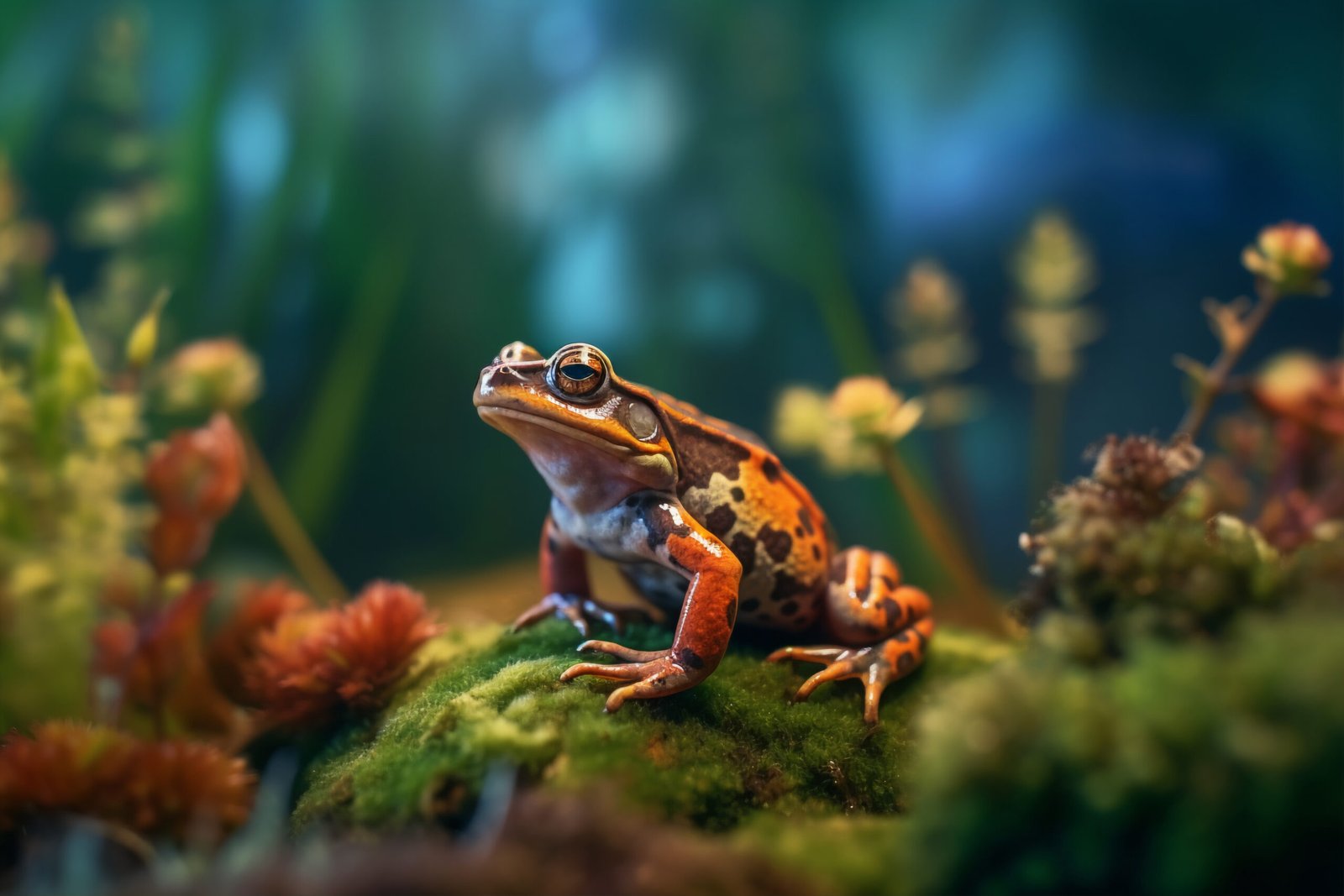
Table of Contents
ToggleIntroduction
The term “flat frog” might conjure images of a pancaked amphibian, but in the world of herpetology, it refers to a fascinating group of frogs that have evolved remarkably flattened bodies for survival. From the endangered Marbled Streamlined Frog of Sri Lanka to the widespread Flat-headed Frog of Southeast Asia, these unique creatures represent some of nature’s most specialized adaptations. In this comprehensive guide, we’ll explore the diverse world of flat frogs, examining their unique characteristics, habitats, conservation status, and what makes them so extraordinary. Whether you’re a nature enthusiast, conservationist, or simply curious about these remarkable amphibians, this article will provide deep insights into the lives of the world’s flattest frogs.
Titles and Keyword Strategy
To ensure this article ranks well on Google, I’ve developed several powerful title options that incorporate high-value keywords:
Title Option 1: “Flat Frog Complete Guide: Species, Habitat, and Conservation Status of the World’s Flattest Amphibians”
Title Option 2: “What is a Flat Frog? Discover the Marbled Streamlined Frog and Other Flattened Amphibians”
Title Option 3: “Flat Frog Species: From Sri Lanka’s Endangered Marbled Streamlined Frog to Southeast Asia’s Flat-Headed Frog”
Title Option 4: “Understanding Flat Frogs: Evolution, Behavior, and Conservation Efforts for These Unique Amphibians”
Keyword Breakdown:
Primary Keyword: “Flat frog” – This is the core search term that users will type into search engines. It’s precise and captures the main subject of the article.
Secondary Keywords:
“Marbled Streamlined Frog” – This is a specific species of flat frog endemic to Sri Lanka, highly targeted for conservation-minded searches .
“Flat-headed frog” – Another common name used for species like Limnonectes khasianus, which is found across Southeast Asia .
“Frog conservation” – Addresses the critical conservation status of many flat frog species.
“Amphibian species” – Broadens the reach to general amphibian enthusiasts.
“Endangered frog species” – Targets users concerned with threatened amphibians.
“Frog habitat” – Covers environmental needs and distribution.
Long-tail Keywords:
“Why are some frogs flat” – Targets informational queries.
“Flat frog species Sri Lanka” – Geo-targeted search for the Marbled Streamlined Frog.
“Flat dainty frog South Africa” – Targets the Cacosternum platys species .
“Philippine flat-headed frog” – Targets Barbourula busangensis .
“Frog care sheet” – For users interested in keeping frogs as pets .
Understanding Flat Frogs: More Than Just a Shape
When we talk about flat frogs, we’re referring to several distinct species across different genera that share a common evolutionary trait: a dorsoventrally flattened body. This adaptation is not merely aesthetic but serves critical survival functions. The flattened morphology allows these frogs to hide in narrow crevices, under rocks, and in shallow water bodies where predators cannot easily reach them. Their streamlined bodies also reduce water resistance, making them efficient swimmers in their preferred aquatic environments.
The Marbled Streamlined Frog: Sri Lanka’s Endangered Gem
One of the most notable flat frog species is the Marbled Streamlined Frog (Nannophrys marmorata), also known as Kirtisinghe’s rock frog. This species is endemic to Sri Lanka and holds the unfortunate distinction of being listed as Endangered on the IUCN Red List . These diminutive frogs are remarkably small, growing to only about 1 inch (2.5 cm) in length, with broad, short bodies and rounded snouts. Their brown blotched coloring with a gray underside provides excellent camouflage against the wet rocks and boulders they inhabit in the highlands of the Knuckles Mountain Range, found at elevations between 200m and 1,300m . The observation points for this species are critically low, with only 14 recorded since 2007, highlighting the urgent need for conservation efforts .
The Flat-Headed Frog: A Southeast Asian Species
The term “flat frog” is also frequently used for species like Limnonectes khasianus, commonly known as the Flat-headed Frog, Corrugated Frog, or Rivulet Frog . This species is found across a wide range of Southeast Asian countries, including Brunei, India, Indonesia, Malaysia, Myanmar, and Thailand . Unlike the critically endangered Marbled Streamlined Frog, Limnonectes khasianus is not considered threatened by the IUCN, though its populations are still impacted by habitat loss . These frogs can grow up to 3 inches in length and are typically brown or gray with rough, bumpy skin and a distinctive stripe running down their back . They are nocturnal creatures, hiding in vegetation during the day and becoming active at night to hunt small insects, spiders, and other invertebrates with their long, sticky tongues .
The Flat Dainty Frog: South Africa’s Endemic Species
South Africa is home to its own flat frog species, Cacosternum platys, also known as the Flat Dainty Frog or Smooth Dainty Frog . This species is endemic to the southern and western regions of South Africa, inhabiting temporary and permanent ponds, marshes, and slow-moving streams. These frogs are relatively small, with males reaching approximately 20-25 mm and females up to 30-35 mm. They are characterized by a smooth, flat body with brown or greyish-brown dorsal coloration and a creamy-white ventral surface. Currently listed as Least Concern by the IUCN, their populations are nonetheless declining in some areas due to habitat destruction and degradation .
The Importance of Flat Frogs as Indicator Species
Frogs, including flat frog species, serve as crucial indicator species for environmental health . Their thin, permeable skin makes them highly susceptible to environmental contaminants and changes in climate. Over 40% of amphibian species are currently threatened with extinction, largely due to climate change, habitat destruction, and pollution . When frog populations decline, it signals underlying environmental problems that could eventually affect human health. Protecting flat frogs and their habitats is therefore not just about saving a single species but about safeguarding entire ecosystems that ultimately benefit human well-being.
Conservation Efforts and Challenges
The conservation of flat frog species faces numerous challenges, from habitat loss to emerging diseases. For the Marbled Streamlined Frog, conservation efforts are critical in Sri Lanka’s Knuckles Mountain Range. Studies using species distribution models have identified eight priority areas for conservation, with regions near Matale, Kandy, and Nuwara Eliya offering the best potential for protecting viable populations . These efforts are complicated by threats such as tourism, land use change, pollution, and climate change, which have contributed to the frog’s endangered status .
In South America, conservationists have employed innovative strategies to protect closely related flat frog species. A recent study on Telmatobius philippii, a critically endangered species in Chile, demonstrated the effectiveness of artificial refuges. Researchers installed clay tiles, bricks, and rock piles in areas where natural refuges had been lost due to industrial water extraction. Over two years, occupancy rates of these artificial refuges increased to 75%, with evidence of successful breeding . Such habitat enhancement programs offer promising strategies for conserving fragile amphibian populations in human-impacted ecosystems.
Creating the Perfect Environment for Pet Frogs
For those interested in keeping flat frogs or other amphibian species as pets, understanding their specific environmental needs is essential for their health and well-being . Most frogs require a suitable terrarium that reflects their native habitat. Ground-dwelling species like flat frogs need horizontal space rather than vertical, while tree frogs require taller enclosures with climbing structures . A 10-20 gallon terrarium is suitable for most species, with the enclosure size scaled appropriately for the number and size of frogs being housed .
Temperature and Humidity Requirements
Frogs are ectothermic, meaning they rely on their environment to regulate body temperature . Most species thrive in daytime temperatures between 75°F and 85°F, with night temperatures above 68°F . Tropical species require higher humidity levels, often between 70-100%, while other species prefer drier conditions . A thermometer and hygrometer are essential tools for monitoring these parameters. Humidity can be maintained through regular misting with non-chlorinated water, using substrates like coconut husk or sphagnum moss, and providing a shallow water dish .
Diet and Nutrition
A varied diet is crucial for maintaining healthy captive frogs. The bulk of the diet should consist of live insects such as crickets, flightless fruit flies, mealworms, waxworms, and roaches . Larger species may occasionally be fed small mice. It’s essential to dust live insects with calcium and vitamin supplements to ensure proper nutrition, with the frequency of supplementation depending on the frog’s age—daily for juveniles and once or twice weekly for adults . A shallow water dish with fresh, non-chlorinated water should always be available, and the water should be changed regularly to prevent bacterial growth .
Health Considerations
Frogs are susceptible to bacterial and fungal infections, including the devastating chytridiomycosis fungus, which has caused mass die-offs of amphibian species worldwide . Symptoms of illness include “red-leg syndrome,” emaciated appearance, lethargy, and skin abnormalities. Good hygiene, proper husbandry, and minimal handling are the best approaches to preventing illness . When handling frogs is necessary, wearing latex gloves is recommended to protect both the frog and the handler, as amphibians secrete toxins in their skin that can cause reactions in humans, and they can carry bacteria like Salmonella .
The Evolutionary Significance of Flattened Bodies
The evolution of flattened body shapes in frogs represents a fascinating case of convergent evolution, where unrelated species develop similar traits in response to similar environmental pressures. This adaptation allows flat frogs to exploit specific niches—hiding under rocks, fitting into narrow crevices, and moving efficiently through shallow water. The morphology of flat frogs varies by species, with some having smooth skin like the Flat Dainty Frog and others featuring rough, bumpy skin like the Flat-headed Frog, which aids in camouflage . Understanding these evolutionary adaptations provides valuable insights into how amphibians respond to ecological pressures and how they might adapt to changing environments.
Conclusion
The world of flat frogs is a testament to nature’s remarkable adaptability, with species found across Sri Lanka, Southeast Asia, South Africa, and South America, each exhibiting unique characteristics shaped by their environments. From the Endangered Marbled Streamlined Frog in Sri Lanka to the widespread Flat-headed Frog of Southeast Asia, these amphibians play crucial roles in their ecosystems as indicator species, signaling the health of our environment. As over 40% of amphibian species face the threat of extinction, understanding and protecting flat frogs and their habitats is more important than ever . Whether through conservation efforts in their native ranges or responsible care in captivity, we all have a role to play in ensuring these remarkable creatures continue to thrive for generations to come.
Frequently Asked Questions (FAQ)
What is a flat frog?
A “flat frog” is a general term used to describe various frog species that have evolved dorsoventrally flattened bodies. This includes species like the Marbled Streamlined Frog (Nannophrys marmorata) in Sri Lanka, the Flat-headed Frog (Limnonectes khasianus) in Southeast Asia, and the Flat Dainty Frog (Cacosternum platys) in South Africa . These frogs have adapted flattened shapes to hide in narrow spaces, under rocks, and in shallow water.
Where do flat frogs live?
Flat frogs inhabit diverse geographical regions. The Marbled Streamlined Frog is endemic to Sri Lanka’s Knuckles Mountain Range at elevations of 200-1,300 meters . The Flat-headed Frog is found across Southeast Asia, including Brunei, India, Indonesia, Malaysia, Myanmar, and Thailand . The Flat Dainty Frog is endemic to South Africa’s southern and western regions .
Why are flat frogs endangered?
Not all flat frogs are endangered, but some species face significant threats. The Marbled Streamlined Frog is listed as Endangered due to tourism, land use change, pollution, and climate change, with only 14 observation points recorded since 2007 . Habitat destruction and degradation also affect other species, though some like Limnonectes khasianus are not considered threatened by the IUCN .
Can I keep a flat frog as a pet?
While some frog species are kept as pets, it’s essential to research the specific needs of any species you’re interested in. Captive breeding has produced a variety of frogs for the pet trade, including tree frogs, dart frogs, and horned frogs . However, many flat frog species are protected or endangered and should not be removed from the wild. Always ensure any pet frog is obtained from a reputable source and that you can provide the appropriate environment, temperature, humidity, and diet .
Why are frogs important to the environment?
Frogs are considered indicator species because their thin, permeable skin makes them highly susceptible to environmental contaminants and climate changes . Over 40% of amphibian species are threatened with extinction due to climate change, habitat destruction, and pollution. When frog populations decline, it signals environmental problems that could eventually affect human health. Protecting frogs and their habitats helps safeguard entire ecosystems and human well-being .
What do flat frogs eat?
Flat frogs are carnivorous, feeding primarily on small insects, spiders, and other invertebrates . In the wild, they use their long, sticky tongues to catch prey. In captivity, pet frogs should be fed a varied diet of live insects such as crickets, flightless fruit flies, mealworms, and waxworms, with supplements for proper nutrition .
What is the average size of a flat frog?
Flat frog sizes vary by species. The Marbled Streamlined Frog grows to about 1 inch (2.5 cm) long , while the Flat-headed Frog can reach up to 3 inches in length . The Flat Dainty Frog is relatively small, with males reaching approximately 20-25 mm and females up to 30-35 mm .
Are flat frogs poisonous?
All amphibians, including flat frogs, secrete toxins in their skin that may cause reactions in humans . While these toxins don’t usually provide protection from predatory mammals, birds, and snakes, they serve as a defense mechanism . Additionally, frogs may carry bacteria like Salmonella that can cause disease in humans. It’s recommended to wear latex gloves when handling frogs and wash hands thoroughly afterward .
How do flat frogs reproduce?
Like most frogs, flat frogs reproduce through external fertilization. During breeding season, males call out to attract females . Females lay eggs in water, and tadpoles hatch and develop before metamorphosing into adult frogs . The presence of eggs and early-stage larvae in artificial refuges has confirmed successful breeding in conservation efforts .
What is being done to protect flat frogs?
Conservation efforts for flat frogs include habitat protection, species monitoring, and innovative strategies like installing artificial refuges. For the Marbled Streamlined Frog, researchers have identified eight priority conservation areas in Sri Lanka’s Central Province . In Chile, artificial refuges have been successfully used to protect Telmatobius philippii, with occupancy rates reaching 75% over two years . Organizations like the Sri Lanka Wildlife Conservation Society and SAVE THE FROGS! work to protect endangered amphibian species .
You may like
Animal
Zoothérapie : Guide Complet sur la Thérapie Assistée par l’Animal
Published
3 months agoon
July 21, 2026
Table of Contents
ToggleDepuis des millénaires, l’humain entretient avec l’animal une relation privilégiée, empreinte de complicité et de réconfort. Mais au-delà de la simple compagnie, une discipline structurée et scientifique a vu le jour pour exploiter cette connexion profonde à des fins thérapeutiques : la zoothérapie. Souvent confondue avec la médiation animale, la zoothérapie, également appelée Thérapie Assistée par l’Animal (TAA), se distingue par son cadre strictement médical et ses objectifs précis de soin . Il ne s’agit pas simplement de passer un agréable moment avec un animal, mais d’une intervention réfléchie, menée par un professionnel de santé qualifié, visant à améliorer la santé physique, cognitive, sociale ou émotionnelle d’une personne. Dans cet article, nous allons explorer en profondeur ce qu’est la zoothérapie, ses bienfaits prouvés scientifiquement, les animaux qui y participent et comment elle s’inscrit dans le paysage thérapeutique moderne.
Qu’est-ce que la Zoothérapie ? Définition et Distinction Fondamentale
Zoothérapie et Médiation Animale : Une Différence Essentielle
La première confusion à lever est celle entre la zoothérapie et la médiation animale. Bien que ces termes soient souvent utilisés de manière interchangeable, ils désignent des pratiques fondamentalement différentes. La médiation animale est un terme parapluie qui englobe toutes les activités utilisant l’animal pour créer du lien, stimuler ou éduquer . Dans ce cadre, on retrouve par exemple les Activités Assistées par l’Animal (AAA), qui sont des séances ponctuelles visant le bien-être général et le lien social, sans objectif thérapeutique individualisé. Un éducateur canin qui anime un atelier de découverte en crèche pratique de la médiation animale, sans pour autant être un thérapeute.
La zoothérapie, en revanche, est une pratique spécialisée. Selon l’Association Française de Thérapie Assistée par l’Animal (AFTAA), elle constitue une intervention thérapeutique structurée, conduite par un professionnel qualifié du secteur sanitaire, médico-social ou éducatif . La différence clé réside donc dans l’objectif et le professionnel qui encadre la séance. Là où la médiation animale cherche à créer du lien et du bien-être général, la zoothérapie poursuit des objectifs thérapeutiques précis, définis dans un cadre de soin. L’animal n’est pas là pour guérir, mais comme un médiateur, un outil vivant qui facilite la relation thérapeutique et la réadaptation du patient.
Les Origines de la Zoothérapie : Un Héritage Ancien
L’idée que l’animal puisse contribuer à la guérison n’est pas récente. Dès le IXe siècle, des oiseaux étaient confiés à des patients en convalescence pour les accompagner. Mais c’est au XXe siècle que la discipline a pris son essor. En 1792, William Tuke observait déjà que des malades mentaux parvenaient à se concentrer et à se responsabiliser en s’occupant d’animaux . Plus tard, au milieu du XXe siècle, le pédopsychiatre américain Boris Levinson a fait une découverte fortuite. Il a observé l’effet apaisant de son chien, Jingles, sur un jeune patient autiste qui ne communiquait pas. Cette observation l’a conduit à démontrer que la présence d’un chien pouvait faciliter la communication chez les enfants en difficulté relationnelle, ouvrant la voie à ce qu’on appelle aujourd’hui la “pet-facilitated psychotherapy” . Florence Nightingale, pionnière des soins infirmiers modernes, avait également promu l’utilisation d’animaux pour améliorer la qualité de vie des patients dans les hôpitaux .
Les Bienfaits Scientifiquement Prouvés de la Zoothérapie
Les bénéfices de la zoothérapie ne relèvent pas du seul ressenti subjectif; ils sont aujourd’hui étayés par des études scientifiques rigoureuses. Une méta-analyse publiée en 2024 dans le Journal of Medical Internet Research a évalué 16 études et a conclu que la TAA est une intervention prometteuse pour promouvoir le bien-être dans diverses populations, montrant des résultats positifs pour les troubles neurologiques, la dépression et l’anxiété .
Bienfaits Physiologiques et Neurologiques
Les interactions avec un animal ont des conséquences directes sur la physiologie humaine. Caresser un chien ou un chat déclenche la sécrétion d’hormones bénéfiques comme l’ocytocine, l’hormone du bien-être et de l’attachement, et la sérotonine, l’hormone du bonheur . Parallèlement, cela réduit le taux de cortisol, l’hormone du stress, ce qui se traduit par une baisse de la pression artérielle et un ralentissement du rythme cardiaque . Cette action physiologique peut contribuer à la relaxation, à la diminution de l’anxiété et même à la réduction de la douleur. Pour les personnes âgées atteintes de la maladie d’Alzheimer, la stimulation sensorielle procurée par le toucher de l’animal ravive des émotions et des sensations parfois oubliées, apaisant l’agitation .
Bienfaits Psychosociaux et Cognitifs
Sur le plan psychologique et social, les bénéfices sont tout aussi importants. L’animal est un “catalyseur social”. Sa présence non-jugeante encourage la communication et les interactions. Dans les EHPAD, des résidents habituellement repliés sur eux-mêmes se mettent à parler, à raconter leur propre histoire avec les animaux, brisant ainsi l’isolement et recréant du lien social . Pour les enfants autistes, la zoothérapie est un outil précieux pour faciliter la communication et stimuler les fonctions cognitives . La présence de l’animal crée un sentiment de sécurité et de confiance, qui permet de mettre en place des exercices de motricité fine (par exemple, brosser l’animal) ou des activités cognitives sans que le patient ait l’impression de subir une “thérapie”. C’est un puissant moteur de motivation et un vecteur d’estime de soi.
Cadre et Pratique de la Zoothérapie
Qui Peut Exercer la Zoothérapie ?
La zoothérapie est une pratique réservée. Pour être zoothérapeute, il ne suffit pas d’aimer les animaux. Il faut d’abord et avant tout être un professionnel de santé ou du social dûment formé : psychologue, psychomotricien, orthophoniste, ergothérapeute, éducateur spécialisé, infirmier, etc. . C’est ce professionnel qui, en utilisant l’animal comme un outil, définit un programme thérapeutique, fixe des objectifs, observe les interactions et adapte la séance en fonction des progrès du patient. Il ne faut pas confondre le zoothérapeute avec un intervenant en médiation animale qui, bien que compétent pour animer des ateliers, n’a pas cette visée thérapeutique.
En France, à ce jour, il n’existe pas encore de cadre légal spécifique ni de formation unique obligatoire pour la médiation animale, mais une proposition de loi a été déposée en 2025 pour encadrer la profession, prévoyant notamment une certification obligatoire . La situation est différente au Québec où des instances comme la Corporation des zoothérapeutes du Québec (CZQ) ou la Fédération Québécoise des Zoothérapeutes (FQZ) structurent la profession, offrent des assurances et fixent des critères d’admission, comme une formation de 500 heures couvrant l’humain, l’animal, l’intervention et l’administration .
Où et Comment se Déroulent les Séances ?
Les séances de zoothérapie peuvent avoir lieu dans une multitude de lieux : les hôpitaux, les centres de réadaptation, les EHPAD, les IME (Instituts Médico-Éducatifs), les établissements scolaires, les centres de détention, ou encore à domicile . Elles peuvent se dérouler en individuel ou en petit groupe. L’intervenant sélectionne un animal, soigneusement choisi pour son tempérament calme et stable, sa santé et son adaptabilité au milieu et à la personne . Le chien reste l’animal de thérapie le plus courant et le plus étudié en raison de sa capacité unique à lire les émotions humaines et à interagir avec nous grâce à des milliers d’années de co-évolution . Cependant, on retrouve aussi des chats, des chevaux (hippothérapie), des lapins, des cochons d’Inde, des oiseaux, etc.
La Sélection et le Bien-être de l’Animal : Une Priorité
Un aspect éthique fondamental de la zoothérapie est le respect du bien-être animal. L’animal n’est pas un outil passif, mais un partenaire actif. Les animaux médiateurs doivent bénéficier d’un suivi vétérinaire rigoureux et d’une vie équilibrée en dehors des séances . Le zoothérapeute observe en permanence les signes de stress ou de fatigue chez son animal et peut interrompre ou adapter une séance si nécessaire. La sécurité du patient, qui est souvent vulnérable, est aussi primordiale : les animaux sont sélectionnés pour ne pas être agressifs et des mesures d’hygiène strictes sont respectées .
Conclusion
La zoothérapie est bien plus qu’une simple tendance; elle est une discipline thérapeutique à part entière, alliant les bienfaits naturels du contact avec l’animal à une approche scientifique et structurée du soin. En offrant une alternative douce et complémentaire aux approches traditionnelles, elle apporte des solutions concrètes pour soulager la douleur, stimuler les capacités cognitives, briser l’isolement et redonner le sourire à des personnes fragilisées. Que ce soit pour un enfant autiste, une personne âgée en perte d’autonomie ou un patient en rééducation, la présence de l’animal comme médiateur ouvre des portes que les mots seuls ne peuvent parfois franchir. Avec un cadre en voie de professionnalisation, la zoothérapie a un avenir prometteur pour améliorer la qualité de vie de nombreux patients, toujours dans le respect de ses acteurs les plus essentiels : les animaux.
FAQ – Foire Aux Questions sur la Zoothérapie
Q1 : Quelle est la différence entre la zoothérapie et la médiation animale ?
La zoothérapie (ou Thérapie Assistée par l’Animal) est une intervention thérapeutique menée par un professionnel de santé pour atteindre des objectifs précis de soin. La médiation animale est un terme plus large qui inclut des activités éducatives ou sociales visant le bien-être général, sans but thérapeutique individualisé .
Q2 : Quels sont les principaux bienfaits de la zoothérapie ?
La zoothérapie peut réduire le stress et l’anxiété, améliorer l’humeur, stimuler les fonctions cognitives, faciliter la communication et les interactions sociales, et même contribuer à la rééducation physique et à la diminution de la douleur .
Q3 : Qui peut bénéficier de séances de zoothérapie ?
Cette approche est bénéfique pour un large public : personnes âgées en EHPAD, enfants et adultes avec des troubles du spectre autistique, patients souffrant de maladies neurodégénératives comme Alzheimer, personnes en réadaptation post-AVC, patients en soins palliatifs, ou encore ceux souffrant de troubles psychologiques .
Q4 : Peut-on pratiquer la zoothérapie avec n’importe quel animal ?
Les animaux les plus utilisés sont les chiens, en raison de leur lien privilégié avec l’homme, suivis des chats et des chevaux. D’autres animaux comme les lapins, les cochons d’Inde ou les oiseaux peuvent aussi être utilisés. L’important est que l’animal ait un tempérament calme, soit sociable, en bonne santé et adapté au milieu d’intervention .
Q5 : Comment devient-on zoothérapeute ?
On ne devient pas zoothérapeute en suivant une seule formation spécifique. Il faut d’abord être un professionnel de santé ou du social diplômé (psychologue, ergothérapeute, infirmier, éducateur…). Ensuite, il est indispensable de se spécialiser dans le domaine de la relation homme-animal et de la zoothérapie via des formations complémentaires (DU, instituts privés). La profession n’est pas encore réglementée en France, mais des instances comme l’AFTAA œuvrent pour son encadrement .
Animal
The Ultimate Guide to SD Antelope: Hunting, Biology, and Conservation in South Dakota
Published
3 months agoon
July 11, 2026
Table of Contents
ToggleIntroduction
South Dakota stands as one of the premier destinations for antelope hunting in North America, offering hunters a unique opportunity to pursue one of the continent’s most remarkable big game animals. The “SD antelope“—scientifically known as the pronghorn (Antilocapra americana)—represents a species of profound ecological and sporting significance, with South Dakota consistently ranking among the top states for pronghorn populations nationwide . This comprehensive guide delves into every aspect of the SD antelope, from its fascinating biology and habitat preferences to the latest hunting regulations and conservation efforts that ensure the species remains a cornerstone of South Dakota’s hunting heritage for generations to come. Whether you are a seasoned hunter planning your next western adventure or a wildlife enthusiast seeking to understand these magnificent creatures, this article provides the authoritative information you need to appreciate the unique status of the pronghorn in the Mount Rushmore State. With recent population surveys showing promising growth and carefully managed hunting seasons, the future of the SD antelope looks brighter than it has in years, making now an ideal time to explore what this iconic species has to offer.
Understanding the SD Antelope: More Than Just a Goat
The SD antelope, while commonly referred to as an antelope, belongs to a family entirely its own. Pronghorn are the sole surviving members of the family Antilocapridae, a distinction that sets them apart from true antelope found in Africa and Eurasia . This unique evolutionary heritage is evident in their distinctive characteristics: unlike true antelopes that shed their horns annually, pronghorn possess a bony core with a keratinous sheath that is shed and regrown each year. Their name derives from this unique horn structure, which features a forward-pointing prong that gives the animal its distinctive silhouette. These animals typically measure approximately 4.5 feet in length and stand three feet tall at the shoulder, with adult weights ranging from 90 to 150 pounds depending on sex . The color of the SD antelope is equally distinctive, with a tan and white coloration that serves as effective camouflage in the arid short grass prairies of western South Dakota. Perhaps most notably, the species possesses remarkably large eyes that provide exceptional peripheral vision, a critical adaptation for detecting predators on the open plains where they make their home.
The biology of the pronghorn is a testament to evolutionary adaptation to the open, windswept landscapes of the Great Plains. These animals rely on a combination of extraordinary vision, the safety of their herds, and their incredible speed to detect and elude predators such as coyotes, bobcats, and golden eagles . When frightened, SD antelope erect the long white hair on their rumps, creating a visible “flash” that serves as a warning signal to other members of the herd. This behavior has been observed and documented by hunters and wildlife biologists alike, adding to the mystique of these fascinating creatures. Their curiosity is also well-documented; when fleeing danger, they often pause at the top of a nearby ridge to look back at the source of their alarm . This combination of wariness and curiosity makes hunting SD antelope both challenging and deeply rewarding, requiring hunters to carefully manage their approach while capitalizing on these behavioral tendencies. The average lifespan of a pronghorn in the wild is approximately ten years, during which time they navigate a landscape that has been dramatically altered by human development since the time of Lewis and Clark, who noted in their 1804 journals that the species occurred in vast numbers across most of the Dakota Territory .
SD Antelope Population Dynamics and Conservation
The population status of the SD antelope has been a subject of considerable attention from wildlife managers and hunters alike in recent years. According to the South Dakota Game, Fish and Parks (GFP), pronghorn populations persist at lower numbers than were historically present, but recent surveys indicate positive trends that offer encouragement for the species’ future . The GFP conducts biannual aerial surveys to estimate antelope numbers across the state, and the most recent data from 2026 shows approximately 30,057 adults in South Dakota, representing a 12% increase from the 2024 estimate of 27,188 adults . These figures are part of a broader recovery effort following population declines that prompted management changes in 2022, when the state transitioned to buck-only hunting regulations to protect female antelope and promote population growth. The statewide population objective is approximately 67,000 pronghorn, plus or minus 10,000 animals, indicating that while current numbers are encouraging, there remains room for continued recovery . The projected population for the upcoming hunting season is estimated at 39,166 pronghorn, factoring in fawn production based on a three-year average .
Conservation efforts are primarily focused on maintaining this positive trajectory while balancing hunting opportunities that remain a cherished tradition in South Dakota. The GFP has maintained restrictive season regulations, including buck-only licenses for archery, firearms, and landowner hunting on private property . These measures are designed to protect the breeding population while allowing sustainable harvest of surplus males, a strategy that has proven effective in many big game management scenarios. The primary factors limiting pronghorn populations in South Dakota include extremes of drought and severe winters, decreasing available habitats, and social tolerance for the animals on working landscapes . Historically, pronghorn were found in far greater numbers across the state, but the near extermination of bison—whose trails through deep snow served as natural highways for antelope—contributed significantly to their decline in eastern regions . Additionally, pronghorn cannot jump high fences as effectively as white-tailed deer, which can restrict their movement in search of feed and shelter during harsh winter conditions . Understanding these constraints is essential for appreciating the careful balance that wildlife managers must strike between conservation and hunting opportunity in the state.
SD Antelope Hunting: Seasons, Regulations, and Licenses
For hunters interested in pursuing SD antelope, understanding the regulatory framework is essential for a successful and legal hunt. South Dakota offers distinct hunting seasons for both archery and firearms, each with its own application deadlines and season dates. According to the South Dakota Game, Fish and Parks, the archery season typically runs from mid-August through October, while the firearms season is a shorter, more intensive period in October . The 2025 season structure, as outlined in recent GFP commission meetings, includes archery season dates from August 16 through October 31, with the archery season closed during the firearms season . Firearms season dates are generally set for October 4 through October 19, a timeframe designed to coincide with optimal hunting conditions and to accommodate other park activities . Hunters should be aware that application deadlines vary significantly between resident and nonresident applicants, with nonresidents typically facing earlier deadlines, such as the April 1 to April 23 window for archery licenses .
One of the most noteworthy developments in recent years is the reopening of antelope hunting in Custer State Park, a premier hunting destination in western South Dakota. Following a 2016 season that attracted 1,223 applications for only three available buck licenses, the park reopened to limited antelope hunting in 2025 with five buck antelope licenses available to residents . This decision was based on a ground count of 123 antelope in the park in 2025, up significantly from 81 animals in 2018 . The season is scheduled for October 4-19, 2025, which avoids the park’s annual Buffalo Roundup scheduled for late September . This represents a rare opportunity for hunters to pursue SD antelope in one of the state’s most iconic natural areas, and the limited number of licenses ensures that the hunt will remain a high-quality, low-pressure experience. The GFP’s approach to license allocation—maintaining buck-only restrictions across all hunting methods—reflects a commitment to sustainable management while providing meaningful hunting opportunities . For hunters planning to apply, staying current with GFP announcements and deadlines is crucial, as these highly sought-after licenses typically generate substantial interest and competition.
Essential SD Antelope Hunting Strategies
Successfully hunting SD antelope requires a combination of careful planning, patience, and an understanding of the species’ behavior. Pre-season scouting is perhaps the most critical component of a successful pronghorn hunt, as identifying the areas where antelope are concentrated significantly increases the odds of a successful encounter . The GFP emphasizes that finding out which waterholes are being used by antelope will give hunters an advantage, allowing them to place blinds near these watering locations well before the season opener . This strategy is particularly effective in the arid landscapes of western South Dakota, where water sources are limited and antelope are forced to visit them regularly, especially during the hot, dry conditions that often prevail during archery season. Hunters should invest time in observing antelope movement patterns, noting the times of day when animals are most active at specific water sources and identifying travel corridors that connect feeding areas with watering holes.
The terrain where SD antelope are found presents both challenges and opportunities for hunters. Pronghorn densities are greatest in the western rangelands of the state, where rolling terrain allows good visibility and a mixture of grass, forb, and shrub forage plants predominate . Antelope also inhabit agricultural lands such as wheat and alfalfa fields when these are interspersed with grassland habitat, providing additional hunting opportunities on the margins of agricultural areas . The open nature of this terrain means that spot-and-stalk hunting is a common approach, requiring hunters to use the available topography to close the distance on their quarry. Because pronghorn rely heavily on their exceptional vision, hunters must use terrain features such as ridges, drainage cuts, and dry washes to approach unseen. Patience and persistence are essential virtues for the antelope hunter, as the animals’ wariness can make close approaches difficult. However, the same curiosity that makes pronghorn cautious can also work to the hunter’s advantage, as animals that are not immediately spooked will sometimes pause to investigate, potentially presenting a shot opportunity. Whether hunting with a bow during the archery season or a firearm during the rifle season, respecting the animal’s remarkable abilities is the first step toward achieving success.
Conclusion
The SD antelope represents one of North America’s most unique and compelling big game animals, offering hunters and wildlife enthusiasts alike the opportunity to connect with a species that has roamed the Great Plains for millennia. From their status as the sole surviving members of the Antilocapridae family to their remarkable speed and visual acuity, these animals embody the spirit of the American West in a way that few other species can match. South Dakota’s careful management of its pronghorn populations, including recent regulatory adjustments to promote population growth and the reopening of hunting in Custer State Park, demonstrates a commitment to conservation that balances ecological sustainability with hunting tradition . The state’s efforts to maintain buck-only hunting regulations while actively monitoring populations through aerial surveys reflect a science-based approach that has led to encouraging population increases in recent years . For hunters, understanding the biology, behavior, and regulatory framework governing SD antelope hunting is the foundation for a successful and ethical pursuit.
As South Dakota’s pronghorn populations continue their recovery, the future of SD antelope hunting appears promising for the next generation of hunters. The species’ resilience in the face of habitat challenges, combined with dedicated management efforts, suggests that these animals will remain a fixture on the South Dakota landscape for the foreseeable future. Whether you are planning your first antelope hunt or seeking to improve your understanding of these remarkable animals, the information presented in this guide provides the essential knowledge needed to appreciate and pursue the SD antelope. The stewardship of this unique species lies in the hands of hunters and conservationists alike, and responsible hunting practices—combined with support for habitat conservation—will ensure that pronghorn continue to inspire awe and admiration in those fortunate enough to encounter them. As populations trend upward and new hunting opportunities emerge, there has never been a better time to explore the world of the SD antelope and contribute to the ongoing story of this iconic species.
Frequently Asked Questions
What exactly is an SD antelope, and why is it unique?
The SD antelope, scientifically known as the pronghorn (Antilocapra americana), is not a true antelope but belongs to its own family, Antilocapridae, as the sole surviving member. It is unique for having horns with a bony core and a keratinous sheath that is shed annually, unlike true antelopes. Pronghorn are renowned for being the fastest land mammal in North America, capable of speeds approaching 60 miles per hour . They are distinguished by their tan and white coloration, large eyes providing exceptional vision, and the distinctive white rump hairs that flash as a warning signal to other herd members .
What are the current population trends for SD antelope?
Recent surveys indicate positive trends for South Dakota’s pronghorn population. The 2026 aerial survey estimated approximately 30,057 adults, representing a 12% increase from the 2024 estimate . The state’s population objective is about 67,000 pronghorn, and wildlife managers anticipate a preseason population of 36,000 animals for the upcoming hunting season . These encouraging trends follow management changes in 2022 that implemented buck-only hunting regulations to protect female antelope and promote population growth. However, the population remains below historic levels, and continued conservation efforts are essential for sustained recovery.
When are the hunting seasons for SD antelope, and how do I apply?
South Dakota offers separate archery and firearms hunting seasons for antelope. The archery season typically runs from August 16 through October 31, while the firearms season is generally open from October 4 through October 19 . Application deadlines vary: for archery, the online application period is June 10 to October 31, while for firearms it is July 22 to August 12. Nonresident archery applicants face an earlier deadline of April 1 to April 23 . Hunters should check the South Dakota Game, Fish and Parks website for current season dates and regulations, as these can be subject to change based on population surveys and management needs.
What are the specific hunting regulations for SD antelope?
The GFP has maintained buck-only hunting regulations for antelope, meaning hunters may only harvest male pronghorn . This applies to all hunting methods—archery, firearm, and landowner permits. The decision to maintain buck-only restrictions is based on population data and is intended to protect female antelope and promote continued herd growth. Additionally, there are specific regulations for Custer State Park, where only five buck antelope licenses were made available to residents for the 2025 season . The Custer State Park antelope hunting season runs for sixteen consecutive days beginning on the first Saturday in October . Always consult the official GFP regulations for the most current and complete information.
Where are the best places to hunt SD antelope?
Pronghorn densities are highest in the western rangelands of South Dakota, particularly in counties west of the Missouri River . Some herds do exist in counties directly east of the river, but populations are most concentrated in the state’s western half. Important habitat features include rolling terrain that allows good visibility, a mixture of grass, forb, and shrub forage plants, and agricultural lands such as wheat and alfalfa when interspersed with grassland habitat . Custer State Park represents a notable hunting opportunity, with a ground count of 123 antelope in 2025 supporting the issuance of five buck licenses . Hunters should conduct pre-season scouting to identify water sources and travel corridors, as these are key to successful antelope hunting.
Animal
The Red Hammerhead: Unveiling the Secrets of the Scalloped Hammerhead Shark
Published
4 months agoon
July 7, 2026
Table of Contents
ToggleIntroduction
The oceans of the world are home to a remarkable diversity of life, but few creatures capture the imagination quite like the hammerhead shark. With their distinctive, laterally expanded heads—known as cephalofoils—these sharks are among the most instantly recognizable predators in the sea. However, what many people do not realize is that “hammerhead” is not a single species but an entire family, Sphyrnidae, comprising nine distinct species, each with its own unique characteristics and ecological role . Among these, one species stands out as both the most abundant and the most threatened: the scalloped hammerhead, Sphyrna lewini. Known in some regions by the evocative name “red hammerhead” due to the appearance of its flesh when landed, this species offers a fascinating window into the complex world of shark biology, behavior, and the mounting conservation challenges facing marine life today . This article explores the world of the scalloped hammerhead—often called the red hammerhead—examining its unique adaptations, ecological significance, and the urgent need for its protection. By understanding this remarkable creature, we can better appreciate the delicate balance of marine ecosystems and the critical importance of global conservation efforts.
What is the Red Hammerhead
The name “red hammerhead” is a colloquial term, one that has been used for generations by fishermen and dealers, particularly in parts of Asia, to distinguish different hammerhead species based on the commercial value and appearance of their flesh . In the Kagoshima Prefecture of Kyushu, Japan, local fishers have long used the term “aka-kase” (red hammerhead) to refer specifically to the scalloped hammerhead, Sphyrna lewini, distinguishing it from the “shiro-kase” (white hammerhead) which is the smooth hammerhead, and the “hira-kase” (flat hammerhead) which is the great hammerhead . This traditional naming system, born from practical experience rather than scientific taxonomy, highlights a deep, local understanding of marine biodiversity that has existed for generations. It reminds us that the ocean’s inhabitants are known by many names, and that the stories and knowledge of coastal communities are invaluable to our broader understanding of the natural world.
The scalloped hammerhead is the most common hammerhead species found in many tropical and warm-temperate waters around the globe . Its range is extensive, spanning the Atlantic, Pacific, and Indian Oceans, often in coastal areas, continental shelves, and even semi-oceanic environments . As a powerful swimmer, it undertakes extensive migrations, often forming large schools—an unusual behavior for sharks—which congregate around seamounts and offshore islands during the day . This schooling behavior, particularly among adult females, is a defining characteristic of the species and provides researchers with unique opportunities to study their social structures and ecology . However, the sight of these magnificent creatures in such numbers is becoming increasingly rare due to the immense fishing pressure they face. The very abundance that once made them a mainstay of fisheries is now a primary driver of their precipitous decline.
The Unique Biology of the Scalloped Hammerhead
The most striking feature of the scalloped hammerhead is, of course, its head. The cephalofoil, as it is scientifically known, is not just an evolutionary oddity—it is a highly sophisticated piece of biological engineering that provides the shark with a range of sensory and physical advantages . The hammer-shaped head is flattened and laterally extended, and in the scalloped hammerhead, its anterior margin is characterized by a distinct, shallow indentation at the midline, giving it the “scalloped” appearance from which it derives its common name . This unique shape broadens the shark’s field of vision, allowing for a 360-degree view in the vertical plane, which helps it spot predators and prey from above and below . Furthermore, the cephalofoil is packed with electroreceptive pores, known as ampullae of Lorenzini, which are spread over a wider area than in other sharks, providing an enhanced ability to detect the faint electrical fields emitted by prey hiding on the ocean floor . This is particularly useful when hunting stingrays, a favored food source, as the shark can effectively sweep the seafloor, using its head to pin down and immobilize its prey before consuming it .
The scalloped hammerhead is an opportunistic generalist, meaning it is a highly adaptable predator that feeds on a wide variety of prey . Its diet changes significantly as it grows and matures, a phenomenon known as ontogenetic dietary shift. Juvenile scalloped hammerheads, which typically inhabit shallow coastal nurseries like bays and estuaries, primarily feed on benthic and neritic fishes and crustaceans . As they grow and move into deeper, offshore waters, their diet shifts to include larger, more pelagic prey. Studies have shown that the diet of adult scalloped hammerheads is dominated by cephalopods like squid and octopus, as well as larger pelagic fishes . This dietary flexibility is a key reason for their success and widespread distribution, as it allows them to exploit a diverse range of food resources across different habitats . However, this also means they are highly susceptible to being caught as bycatch in a variety of fisheries, from coastal gillnets to pelagic longlines targeting tuna and swordfish.
A Family in Crisis: Conservation Status
The scalloped hammerhead shark is currently listed as Critically Endangered on the International Union for Conservation of Nature (IUCN) Red List of Threatened Species . This grim classification is the result of a catastrophic global population decline, estimated at 76.9% to 97.3% over the last three generations (approximately 72.3 years) . The primary driver of this decline is, without question, overfishing. The immense demand for shark fins, particularly for shark fin soup, has led to unsustainable fishing pressure on hammerhead populations across the globe . They are caught both as target species and as incidental bycatch in large-scale commercial fisheries operating on the high seas and within coastal Exclusive Economic Zones . The situation is so severe that the entire family Sphyrnidae is now listed in Appendix II of the Convention on International Trade in Endangered Species (CITES), which requires that international trade in hammerhead products be regulated and sustainable . Despite these measures, illegal, unreported, and unregulated (IUU) fishing continues to pose a significant threat, undermining conservation efforts and making accurate population assessments incredibly difficult .
The plight of the scalloped hammerhead is not an isolated case; it is part of a larger crisis facing the entire hammerhead family. Alarmingly, the Sphyrnidae are considered the most threatened shark family on the planet . Of the nine described species, five are listed as Critically Endangered, including the scalloped and great hammerheads, two are Endangered, and one is Vulnerable . This level of threat highlights the severe impact that human activities, particularly industrial fishing, are having on these apex predators. The loss of hammerhead sharks has profound ecological consequences, as they play a crucial role in maintaining the health and balance of marine ecosystems. The removal of such top predators can lead to cascading effects throughout the food web, causing an imbalance that can ultimately harm fisheries and the overall health of the ocean.
Conservation Efforts and the Path Forward
Despite the bleak outlook, there are concerted efforts underway to protect the scalloped hammerhead and other threatened sharks. International agreements like the Convention on the Conservation of Migratory Species of Wild Animals (CMS) and the CITES appendices provide a framework for cross-border collaboration . Many nations are taking individual action by implementing “shark sanctuaries,” which prohibit commercial shark fishing and the export of shark products across their entire Exclusive Economic Zones. Countries like The Bahamas, the Maldives, Palau, and Honduras have created such sanctuaries, offering a safe haven for hammerheads and other sharks within their waters . Other nations, such as Costa Rica and Brazil, have implemented species-specific retention bans, making it illegal to catch, land, or trade in hammerhead sharks . In the United States, specific populations of the scalloped hammerhead are listed as endangered under the Endangered Species Act, providing them with strong federal protections . Australia also maintains a Conservation Dependent status for the species, which allows for regulated commercial use only if active management plans are in place to ensure the population’s long-term survival . These regional and national measures are crucial, but the global nature of the threat requires a unified, international effort.
The path forward for the scalloped hammerhead, the red hammerhead of traditional fishers, lies in the continued and expanded implementation of science-based conservation measures. This includes strengthening regulations on fishing gear to reduce bycatch, establishing and enforcing no-take marine protected areas, and improving monitoring and enforcement to combat IUU fishing . The IUCN has called for a range of actions, including retention bans, seasonal and area-based closures, and the implementation of species-specific management strategies based on robust scientific data . One of the most powerful tools for conservation is also the most simple: awareness. By sharing knowledge about the critical status of these sharks, we can help reduce demand for shark products and encourage sustainable seafood choices. The story of the red hammerhead serves as a powerful reminder that our actions have a direct impact on the health of our planet. The future of this magnificent creature, and the countless other species that share its world, depends on our collective will to protect them.
Conclusion
The scalloped hammerhead shark, known in some parts of the world as the “red hammerhead,” is a creature of immense biological intrigue and profound conservation concern. Its unique cephalofoil and adaptable predatory behavior have made it a highly successful species in the world’s oceans for millennia. However, the relentless pressures of modern fishing have pushed this iconic shark to the brink of extinction. As the most threatened shark family of all, the plight of the hammerheads is a stark indicator of the broader crisis facing our oceans . Yet, there is still hope. The growing body of international protections, national legislation, and dedicated conservation efforts offers a pathway to recovery. The story of the red hammerhead is a call to action—a reminder of our responsibility to be stewards of the ocean and the incredible biodiversity it sustains. Only through sustained effort, international cooperation, and a collective shift in our relationship with the sea can we hope to ensure that future generations can marvel at the sight of a school of hammerheads, their distinctive forms gliding effortlessly through the blue.
Frequently Asked Questions (FAQ)
Why is the scalloped hammerhead called the “red hammerhead”?
The name “red hammerhead” is a traditional, local name used by fishermen and fish dealers in some regions, particularly in Japan, to distinguish it from other hammerhead species. In Kagoshima Prefecture, the scalloped hammerhead (Sphyrna lewini) is called “aka-kase,” which translates to “red hammerhead.” This name likely refers to the appearance of the flesh when the shark is landed . It highlights the folk taxonomy used by fishing communities, who have long recognized distinct species based on practical differences before scientific classification was universally established.
How can I identify a scalloped hammerhead shark?
The scalloped hammerhead can be identified by its large, hammer-shaped head, which has a distinct and shallow indentation at the center of its anterior margin, giving it a “scalloped” look. Other key features include a tall, sickle-shaped first dorsal fin and a second dorsal fin that is smaller than the first. The color is typically grey, grey-brown, or olive on top, shading to white on the underside. This species also has a prominent first dorsal fin and relatively large eyes for a hammerhead .
Are scalloped hammerhead sharks dangerous to humans?
Hammerhead sharks, including the scalloped hammerhead, are not generally considered a significant threat to humans. There are very few recorded attacks on people by any hammerhead species, and they are often described as timid and non-aggressive when encountered by divers . They are much more likely to avoid humans than to confront them. However, as with any large wild animal, they should be treated with respect and observed from a safe distance.
Why are scalloped hammerhead sharks endangered?
The scalloped hammerhead is listed as Critically Endangered due to a massive global population decline driven primarily by overfishing. They are caught both intentionally and as bycatch in a variety of fisheries worldwide . The primary driver is the high demand for their fins for shark fin soup. Their slow growth, late maturity, and relatively few offspring make them particularly vulnerable to such intense fishing pressure, as their populations cannot recover quickly .
What is being done to protect scalloped hammerhead sharks?
Numerous international and national conservation measures are being implemented. The species is listed on CITES Appendix II, regulating its international trade, and it is also covered under the Convention on Migratory Species . Individual countries have taken steps such as creating “shark sanctuaries,” implementing retention bans, and listing the species under national endangered species legislation. Efforts are also being made to reduce bycatch, strengthen monitoring and enforcement, and better understand the species’ life history to inform effective management .

Millie Bobby Brown: Career, Movies, Stranger Things, and Enola Holmes

2005 Chevy Avalanche: Specs, Engines, Towing Capacity, Features and Buying Guide

Yo Soy El Que Manda: Meaning, Origin, and Why the Phrase Became So Popular

The Ultimate Guide to Creating a Quantity Button HTML: Boosting E-commerce UX and Conversion Rates

The Ultimate Guide to Radio Z 92.3 Miami: Miami’s Premier Destination for Salsa and Tropical Music

Lauren Dascalo: The Rise of a Fitness Icon and the Power of Body Positivity
Trending
 Business4 months ago
The Ultimate Guide to Creating a Quantity Button HTML: Boosting E-commerce UX and Conversion Rates
- Entertainment4 months ago
The Ultimate Guide to Radio Z 92.3 Miami: Miami’s Premier Destination for Salsa and Tropical Music
- Fitness4 months ago
Lauren Dascalo: The Rise of a Fitness Icon and the Power of Body Positivity
- lifestyle4 months ago
Mark Fluent: Biography, Career, Net Worth, Family, and Life Beyond the Spotlight
- Fashion4 months ago
Grape Shoes: A Complete Guide to Purple Sneakers and Sustainable Grape Leather Footwear
- Animal3 months ago
The Ultimate Guide to SD Antelope: Hunting, Biology, and Conservation in South Dakota
- Fashion4 months ago
Dressel Designs YoYo: Innovation, Premium Craftsmanship, and Why Collectors Love the Brand
- Sports4 months ago
Cricfooty: The Complete Guide to the Emerging Cricket-Football Phenomenon in 2026